
Key Takeaways
- Physical signs include loss of appetite, difficulty breathing, incontinence, mobility issues, and chronic pain that medication cannot control
- Behavioural changes such as withdrawal, confusion, loss of interest in favourite activities, and changes in sleep patterns indicate declining quality of life
- Quality of life assessment involves considering your dog's ability to enjoy basic pleasures like eating, playing, and interacting with family
- Professional veterinary guidance is essential when making end-of-life decisions, including quality of life scoring systems
- At-home euthanasia provides a peaceful, familiar environment for your dog's final moments
- Planning ahead for cremation services helps ensure your beloved companion receives dignified care after passing
- Trust your instincts as a pet owner - you know your dog better than anyone and can recognise when they're suffering
Recognising the signs your dog is dying is one of the most heartbreaking responsibilities of pet ownership. Learning to identify these end-of-life indicators helps you make informed decisions about their care and comfort during their final days. When you notice signs your dog is dying, this knowledge empowers you to provide the best possible quality of life and, when necessary, consider the compassionate option of euthanasia.
Many pet owners struggle with knowing when the right time has come. The decision isn't just medical - it's deeply emotional and personal. By understanding the physical and behavioural signs your dog is dying, you can work with your veterinarian to assess when your faithful companion might be suffering more than they're enjoying life.
Recognising the Physical Signs Your Dog is Dying
Common Physical Indicators of Decline
The most apparent signs your dog is dying are physical changes that develop gradually or sometimes quite suddenly. These indicators often work together, creating a pattern that suggests your dog's body is beginning to shut down.
Loss of appetite is frequently the first sign many owners notice. When dogs refuse their favourite treats or show no interest in meals, it often indicates they're not feeling well. However, this becomes more concerning when it persists for several days and is accompanied by weight loss and lethargy.
Breathing difficulties represent another serious indicator. You might notice your dog panting excessively when they haven't been active, or their breathing may become laboured and shallow. Some dogs develop a distinctive breathing pattern where they seem to struggle for each breath, particularly when lying down.
Incontinence issues become more common as dogs age and their health declines. When a previously house-trained dog begins having accidents regularly, especially if they seem unaware it's happening, this can signal loss of bodily control. This represents one of the distressing signs your dog is dying that significantly impacts quality of life for both pet and owner.
Mobility and Movement Changes
Difficulty standing or walking often develops gradually but can become quite pronounced in a dog's final weeks or months. You might notice your dog struggles to get up from lying down, walks more slowly, or seems unsteady on their feet.
Reluctance to move is equally significant. Dogs who once eagerly rushed to the door for walks may now show little interest in going outside. They might choose to stay in one comfortable spot for most of the day, only moving when absolutely necessary.
Changes in posture can also indicate discomfort or pain. Some dogs adopt unusual positions when lying down, or they may stand with their head lowered and back arched, suggesting abdominal discomfort.
Understanding Behavioural Signs Your Dog is Dying
Social Withdrawal and Interaction Changes
Dogs approaching the end of their lives often display significant behavioural changes that reflect their diminishing quality of life. Social withdrawal is common - dogs who previously enjoyed family time may seek out quiet, isolated spots in the house and show less interest in interaction.
Loss of interest in favourite activities serves as a particularly telling indicator. When dogs no longer respond to the treat jar, show excitement about walks, or engage with beloved toys, it suggests they're losing the capacity to experience joy in their daily routine. This change represents one of the most heart-breaking signs your dog is dying.
Changes in response to family members can be subtle but significant. Some dogs become more clingy and dependent, while others seem to withdraw from human contact entirely. Both patterns can indicate that your dog is experiencing distress or discomfort.
Sleep Pattern Disruptions
Increased sleeping is normal in senior dogs, but when a dog sleeps almost constantly and shows little awareness of their surroundings during waking periods, this can signal serious decline. Conversely, some dogs experience restlessness and inability to settle, pacing throughout the night or seeming unable to find a comfortable position.
Confusion or disorientation might manifest as getting lost in familiar spaces, staring at walls, or forgetting routine behaviours. This can be particularly distressing for both dogs and their families, especially if the confusion causes anxiety or fear.
Quality of Life Assessment When Noticing Signs Your Dog is Dying
The HHHHHMM Scale
Veterinarians often use quality of life assessment tools to help families make difficult decisions when they observe signs their dog is dying. The HHHHHMM Scale evaluates seven key areas: Hurt, Hunger, Hydration, Hygiene, Happiness, Mobility, and More good days than bad. Each category receives a score from 1-10, with higher numbers indicating better quality of life.
Hurt examines pain levels and whether they can be adequately managed with medication. Hunger and Hydration assess whether your dog maintains interest in food and water. Hygiene considers incontinence issues and your dog's ability to keep themselves clean.
Happiness looks at your dog's ability to experience joy and engage with family activities. Mobility evaluates their physical capabilities and independence. More good days than bad requires honest assessment of whether your dog experiences more comfort and contentment than distress and suffering.
Professional Veterinary Guidance
Working with your veterinarian provides essential support during this difficult time. Veterinary professionals can assess pain levels, suggest comfort measures, and help you understand what to expect as your dog's condition progresses.
Regular check-ups become crucial during your dog's final period. Your vet can adjust pain medications, suggest supportive care measures, and provide honest guidance about your dog's prognosis and quality of life prospects.
When to Consider Euthanasia After Observing Signs Your Dog is Dying
Making the Difficult Decision
The decision to consider euthanasia represents one of the most challenging aspects of responsible pet ownership. Many owners worry about making this choice "too early" or "too late," but the focus should remain on your dog's comfort and dignity when clear signs your dog is dying become apparent.
Uncontrollable pain often becomes the deciding factor. When medications no longer provide adequate relief and your dog shows obvious signs of suffering, euthanasia prevents further distress. Your veterinarian can help assess pain levels and discuss realistic expectations for pain management.
Loss of basic functions significantly impacts quality of life. When dogs can no longer eat, drink, or move without extreme difficulty, and when incontinence issues create constant distress, these circumstances may indicate that euthanasia is the kindest option.
Complete loss of interest in life represents another important consideration. Dogs who no longer respond to family members, show no interest in food or comfort, and seem to exist rather than live may be suffering in ways that aren't always visible.
At-Home Euthanasia Options
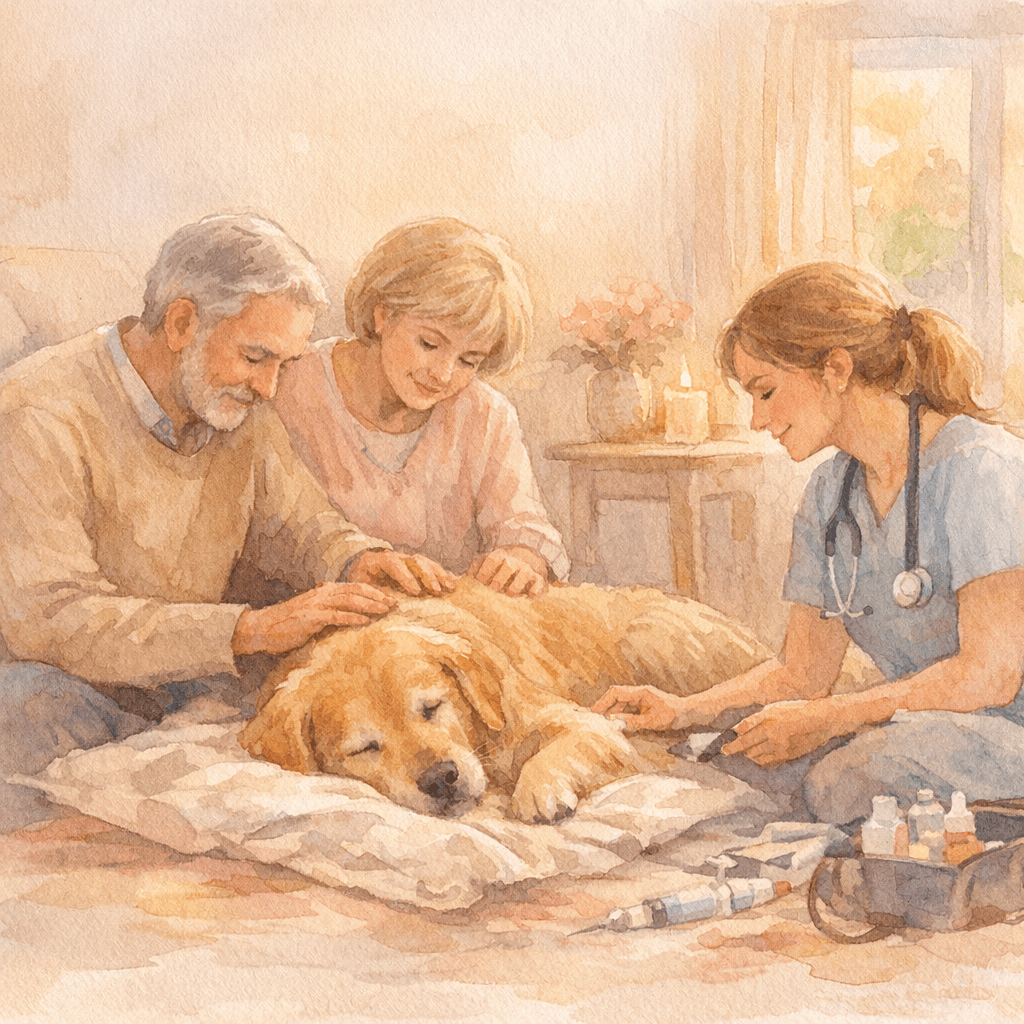
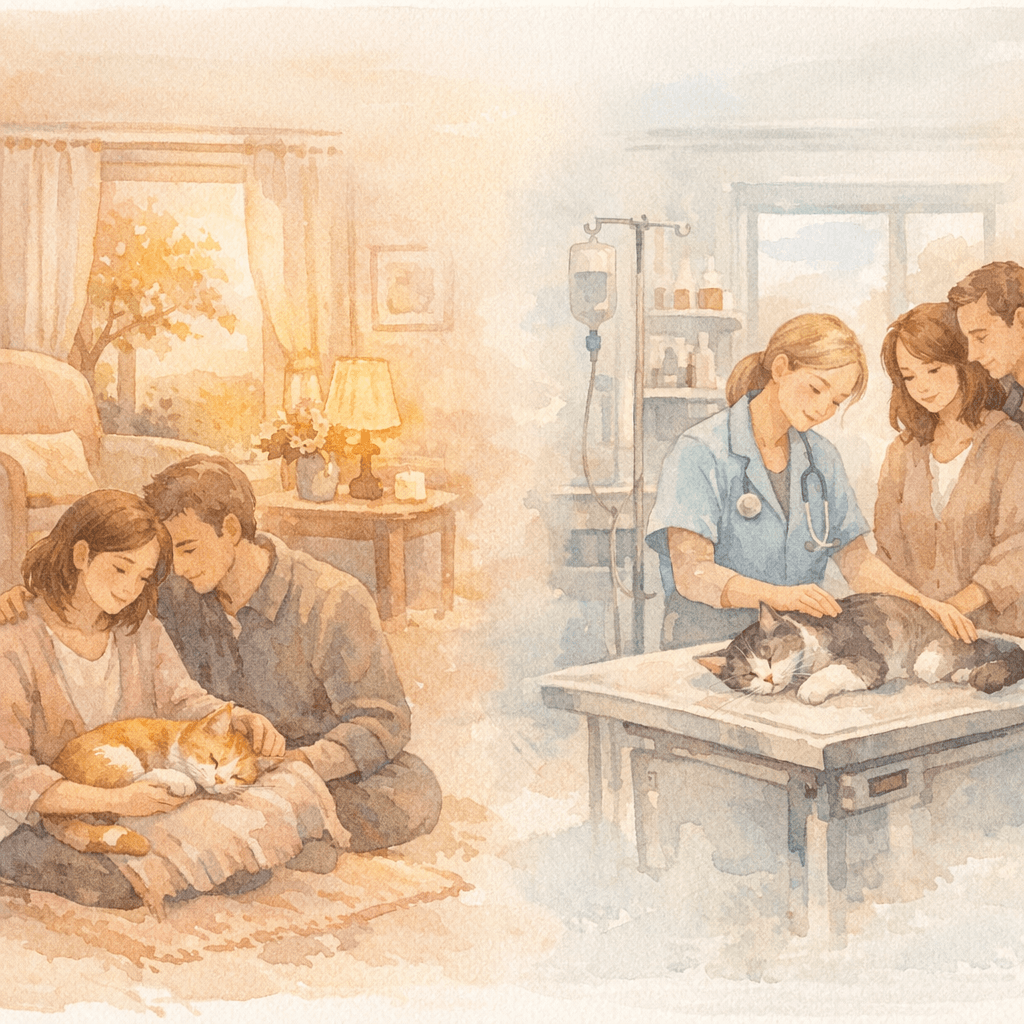
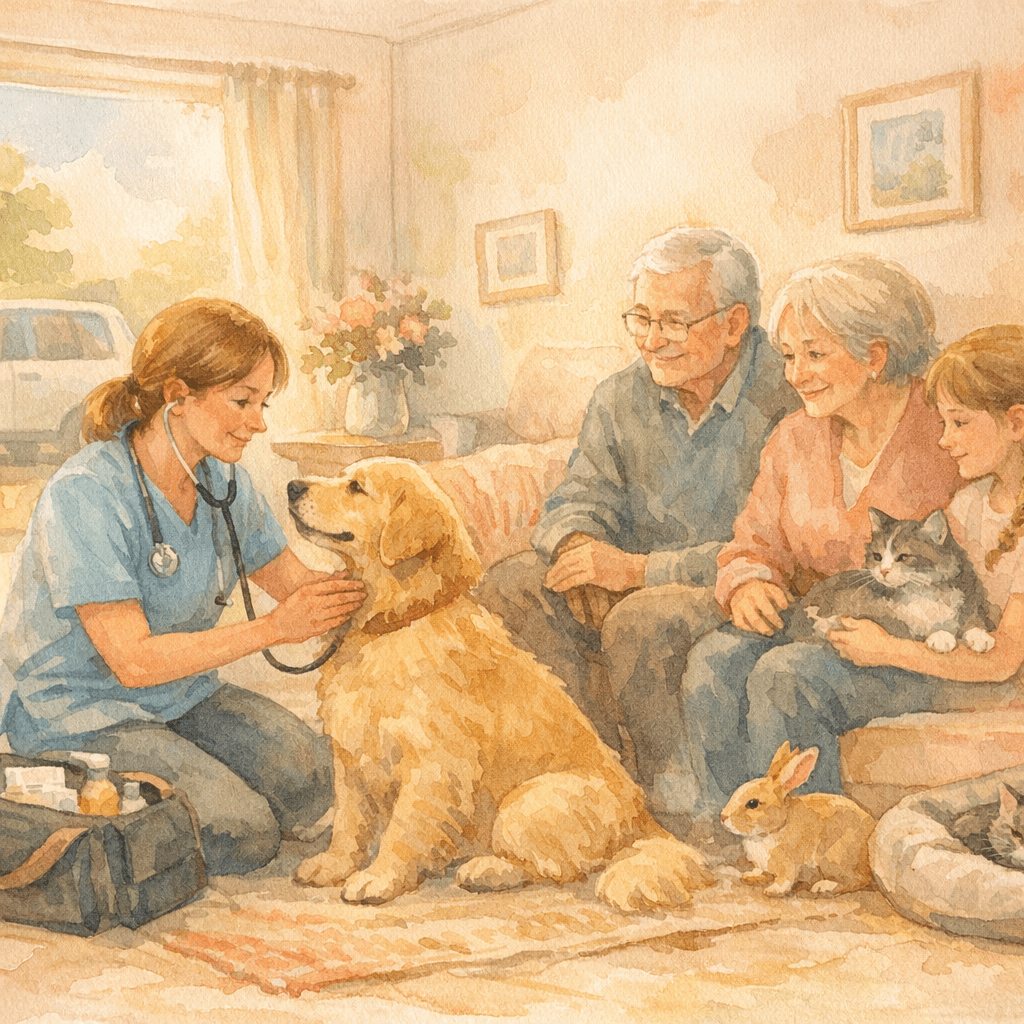
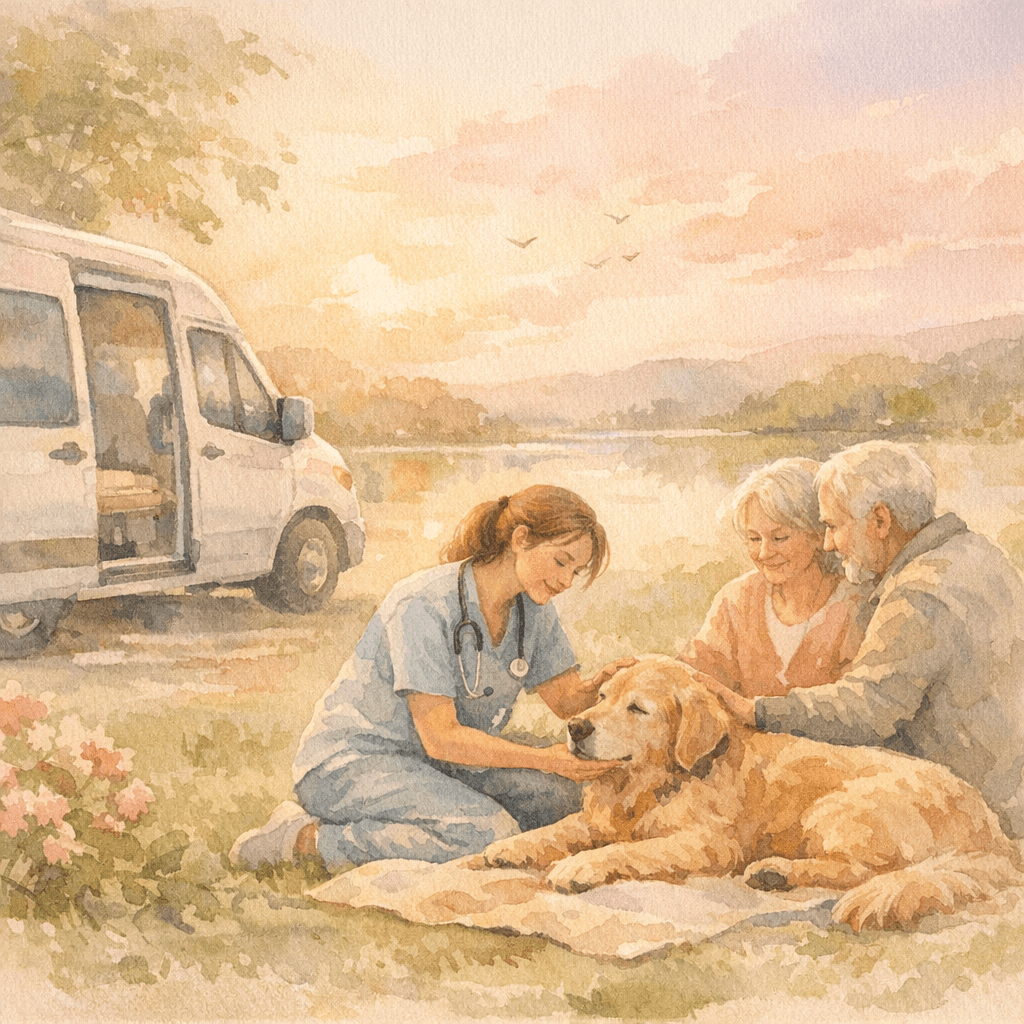
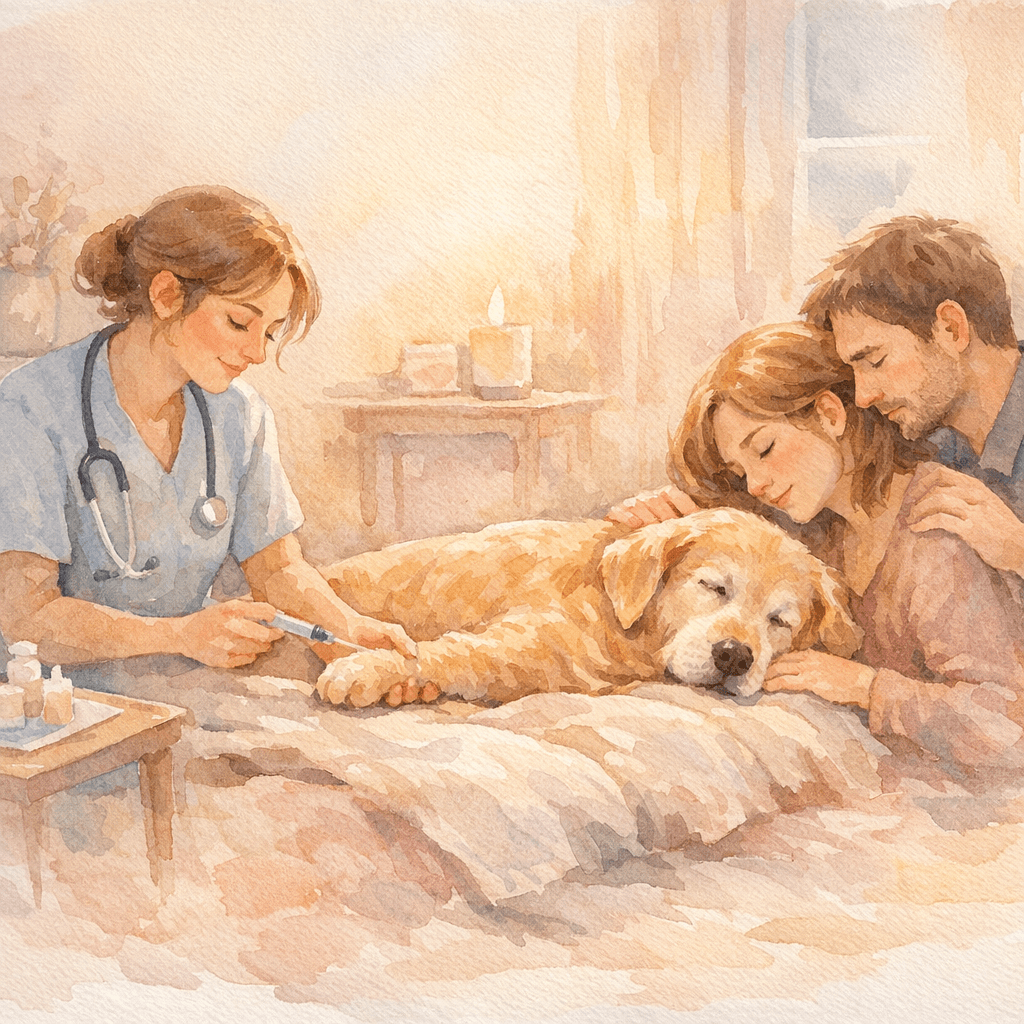
At-home pet euthanasia provides a peaceful, familiar environment for your dog's final moments. This option eliminates the stress of travelling to a veterinary clinic and allows your dog to remain surrounded by family in comfortable surroundings.
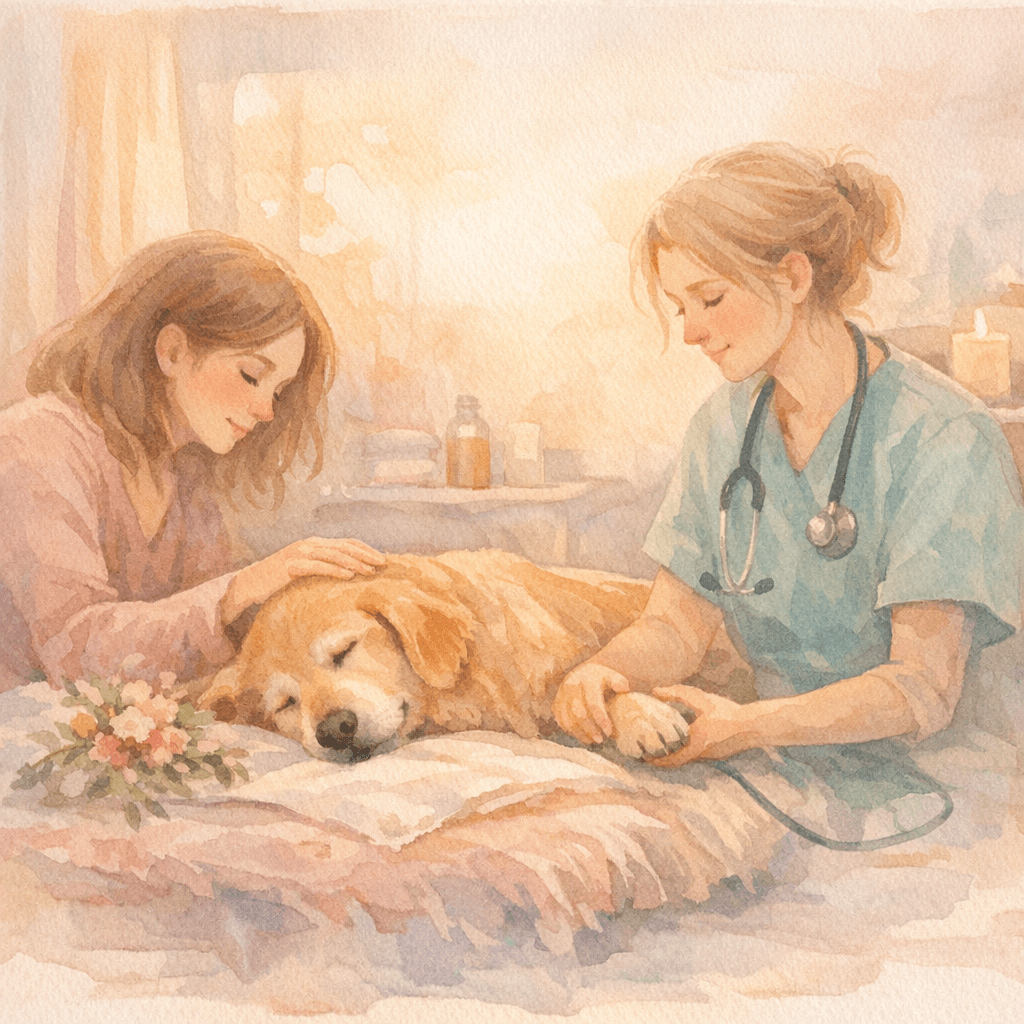
Mobile veterinarians who specialise in end-of-life care bring all necessary equipment and medications to your home. The process is gentle and dignified, typically involving a sedative injection followed by the final injection that allows your dog to pass peacefully.
Many families find that at-home euthanasia provides better closure and reduces trauma for both the pet and family members. Children can say goodbye in familiar surroundings, and other pets in the household can understand what has happened rather than wondering why their companion simply disappeared.
Planning for After Euthanasia
Immediate Aftercare Options
Planning ahead for your dog's final arrangements helps ensure they receive dignified care and provides you with one less difficult decision during an emotionally challenging time. Most veterinarians can arrange for body collection, or you might choose to make these arrangements independently.
Individual cremation ensures your dog is cremated alone and their ashes are returned to you. This option provides the opportunity to keep your companion's remains or scatter them in a meaningful location. At Pet Cremation UK, we provide only individual cremation services, ensuring your dog receives personal, respectful care.
Timing considerations matter when planning aftercare. Services can typically collect your dog within 24-48 hours, and the cremation process usually takes several days. Understanding these timelines helps you plan appropriately and manage expectations during an already difficult period.
Cremation Services and Costs
Dog cremation services provide several options for honouring your companion's memory. Basic individual cremation typically costs around £239 for small dogs up to 10kg, £249 for medium dogs (10-19kg), £289 for large dogs (20-39kg), and around £399 for extra-large dogs over 40kg.
Premium packages, which might include items like wooden urns or memorial keepsakes, typically add around £25 to the standard cremation cost. All prices include collection of your dog and return of their ashes, providing comprehensive care during this difficult time.
Many families find comfort in having their dog's ashes returned in a dignified manner. This allows for personal memorial services, ash scattering ceremonies, or keeping your companion's remains in a special place at home.
Supporting Other Pets During This Time
Helping Companion Animals Grieve
Dogs and cats in multi-pet households often experience grief when a companion passes away. They may show changes in appetite, sleep patterns, or behaviour that reflect their awareness of the loss.
Maintaining routines helps surviving pets cope with change. Keeping feeding times, walk schedules, and other regular activities consistent provides stability during an unsettling period.
Extra attention and comfort can help grieving pets adjust. Some animals become more clingy and need additional reassurance, while others might prefer space to process the change in their own way.
Gradual introduction of new routines works better than sudden changes. If the deceased dog was part of specific activities like group walks or playtime, gradually adjusting these routines helps surviving pets adapt.
Coping with Grief and Making Memories
Creating Lasting Tributes
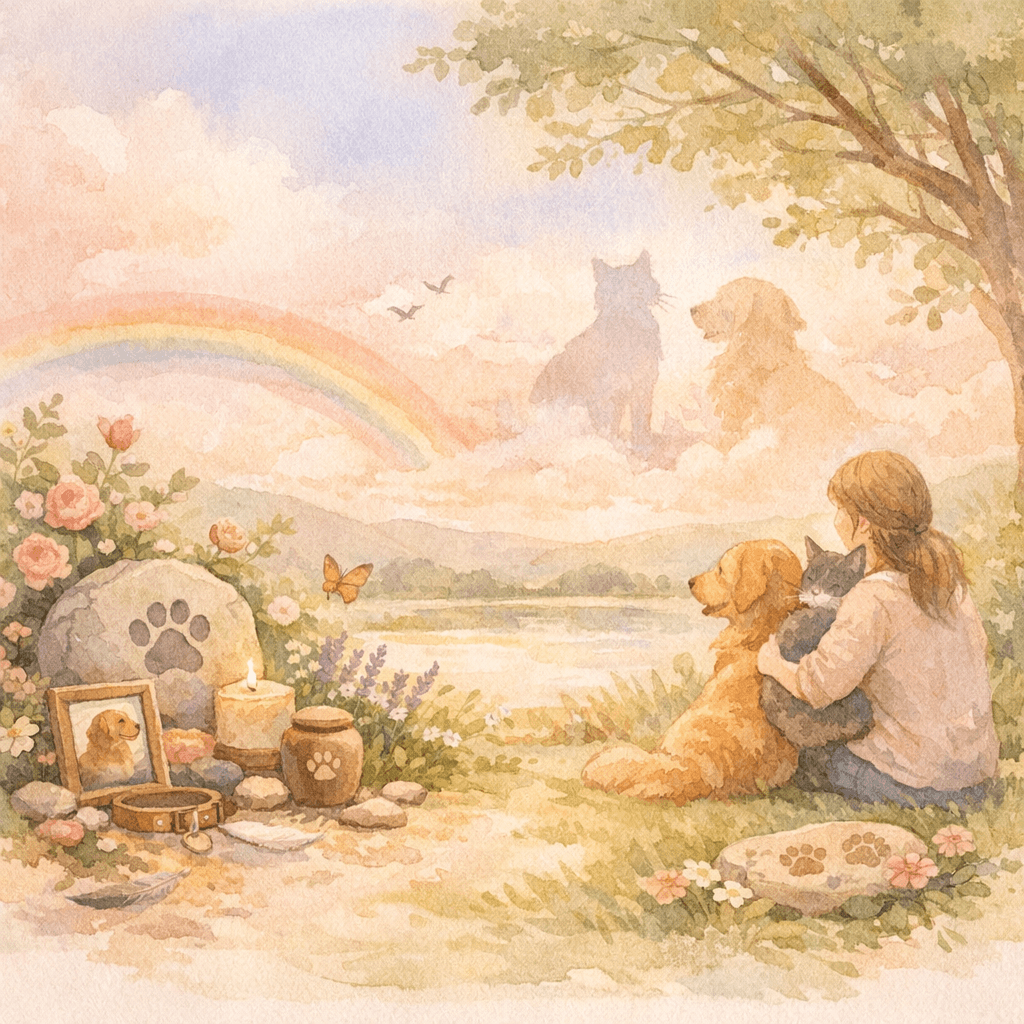
Many families find that creating lasting tributes helps process grief and celebrate their dog's life. Photo albums, memory boxes with favourite toys or collars, or custom memorial items provide tangible ways to honour your companion's memory.
Paw print impressions made before euthanasia create touching keepsakes. Many veterinarians can arrange for clay impressions or ink prints that preserve your dog's unique paw pattern.
Memory gardens or special spaces in your home or yard provide dedicated areas for remembering your dog. Planting flowers, placing memorial stones, or creating quiet spaces for reflection can offer ongoing comfort.
Professional Grief Support
Pet loss grief is real and significant. Many areas offer pet bereavement counselling services, support groups, or helplines specifically designed to help people process the loss of beloved animal companions.
The Blue Cross provides free pet bereavement support services, including phone consultations and online resources. These services acknowledge that pet grief is genuine and deserve professional support and understanding.
Children's grief requires special attention and age-appropriate explanations. Helping children understand what happened and allowing them to express their feelings through art, writing, or conversation supports healthy grieving processes.
Trusting Your Instincts When You Notice Signs Your Dog is Dying
Recognising Subtle Changes
As your dog's primary caregiver, you possess unique insights into their normal behaviour, preferences, and comfort levels. While veterinary guidance is essential, your observations and instincts play a crucial role in recognising when your dog's quality of life has declined significantly.
Daily assessment becomes important during your dog's final period. Keeping a simple journal of good moments versus difficult ones can help identify patterns and provide concrete information for discussions with your veterinarian.
Honest evaluation requires setting aside hope and wishful thinking to focus on your dog's actual experience. This doesn't mean giving up too easily, but rather acknowledging when continued treatment might prolong suffering rather than improve quality of life.
Final Signs That Suggest It's Time
Multiple body systems failing simultaneously often indicates that recovery isn't realistic. When breathing, mobility, appetite, and mental awareness all decline together, this pattern suggests natural end-of-life processes are beginning.
Inability to perform basic functions like eating, drinking, or eliminating waste without distress significantly impacts dignity and comfort. Dogs who struggle with these fundamental needs may be suffering more than their families realise.
Loss of personality and joy represents perhaps the most telling indicator among all signs your dog is dying. When dogs no longer exhibit any of the traits, preferences, or behaviours that made them unique individuals, this suggests they've moved beyond enjoying life.
The RSPCA provides valuable guidance on recognising when pets are suffering and making end-of-life decisions with compassion and dignity.
Frequently Asked Questions
How do I know if my dog is suffering?
Signs of suffering include reluctance to move, changes in breathing patterns, loss of appetite for favourite foods, and withdrawal from family interaction. Dogs may also show physical signs like trembling, excessive panting when not active, or inability to find comfortable positions. If your dog no longer engages in activities they once enjoyed and seems to be enduring rather than living each day, this suggests they may be suffering.
What is the average cost of dog euthanasia and cremation in the UK?
At Pet Cremation UK, dog euthanasia-only costs £310–£330 according to weight, while euthanasia with individual cremation costs £549–£729. Cremation-only services for dogs range from £239 for small dogs to £399 for extra-large breeds, including collection and return of ashes.
Should I stay with my dog during euthanasia?
Most veterinarians recommend staying with your dog if you feel emotionally able to do so. Your presence provides comfort and familiar scents during their final moments. However, some owners find the experience too overwhelming, and stepping out briefly is perfectly acceptable. Dog cremation services can accommodate whatever decision feels right for your family, and there's no wrong choice in this deeply personal situation.
How long does the euthanasia process take?
The actual euthanasia process is typically very quick, usually taking just a few seconds once the final injection is administered. However, many veterinarians spend 30-60 minutes total, including time for sedation, final goodbyes, and ensuring you feel comfortable with the process. At-home services often allow more time for the family to say goodbye without the pressure of clinic scheduling.
Can I arrange cremation services in advance?
Yes, many families find peace of mind in arranging cremation services ahead of time. This allows you to research options, understand costs, and make decisions without the pressure of immediate grief. You can get a quote or discuss arrangements with cremation services before they're needed, ensuring your dog will receive the respectful care you want for them.
What should I do immediately after my dog passes away?
If your dog passes at home, contact your veterinarian or a pet cremation service for guidance on next steps. Keep your dog in a cool, comfortable place and cover them with a favourite blanket. If you have other pets, allow them to see their companion if they seem interested, as this can help them understand what has happened. Take time to say goodbye and don't rush into immediate decisions about arrangements if you're not ready.