Key Takeaways

- Euthanasia for cats can be performed either at home or in a veterinary clinic, with at-home services offering greater comfort and privacy
- The decision timing should be based on quality of life assessments, including mobility, appetite, pain levels, and enjoyment of daily activities
- At-home euthanasia cat procedures typically cost £290-£330-300, while combined euthanasia and cremation services cost approximately £469-£729
- The procedure itself is peaceful and typically involves a sedative followed by an overdose of anaesthetic administered intravenously
- Our cat cremation price starts at £124; your personalised quote will show the full price
- Aftercare options include individual cremation, burial, or leaving arrangements to your veterinary practice
- Grief support and memorialisation can help with the healing process after losing your beloved companion
Making the decision about euthanasia cat procedures is one of the most difficult choices any pet owner faces. Whether you're considering the procedure due to terminal illness, severe injury, or age-related decline, understanding your options for cat euthanasia can help you make the most compassionate choice for your feline companion.
This comprehensive guide explores everything you need to know about euthanasia cat services in the UK, including when to consider the procedure, your options for at-home versus clinic-based services, costs involved, and what happens afterwards.
Understanding Euthanasia Cat Procedures: A Compassionate Final Act
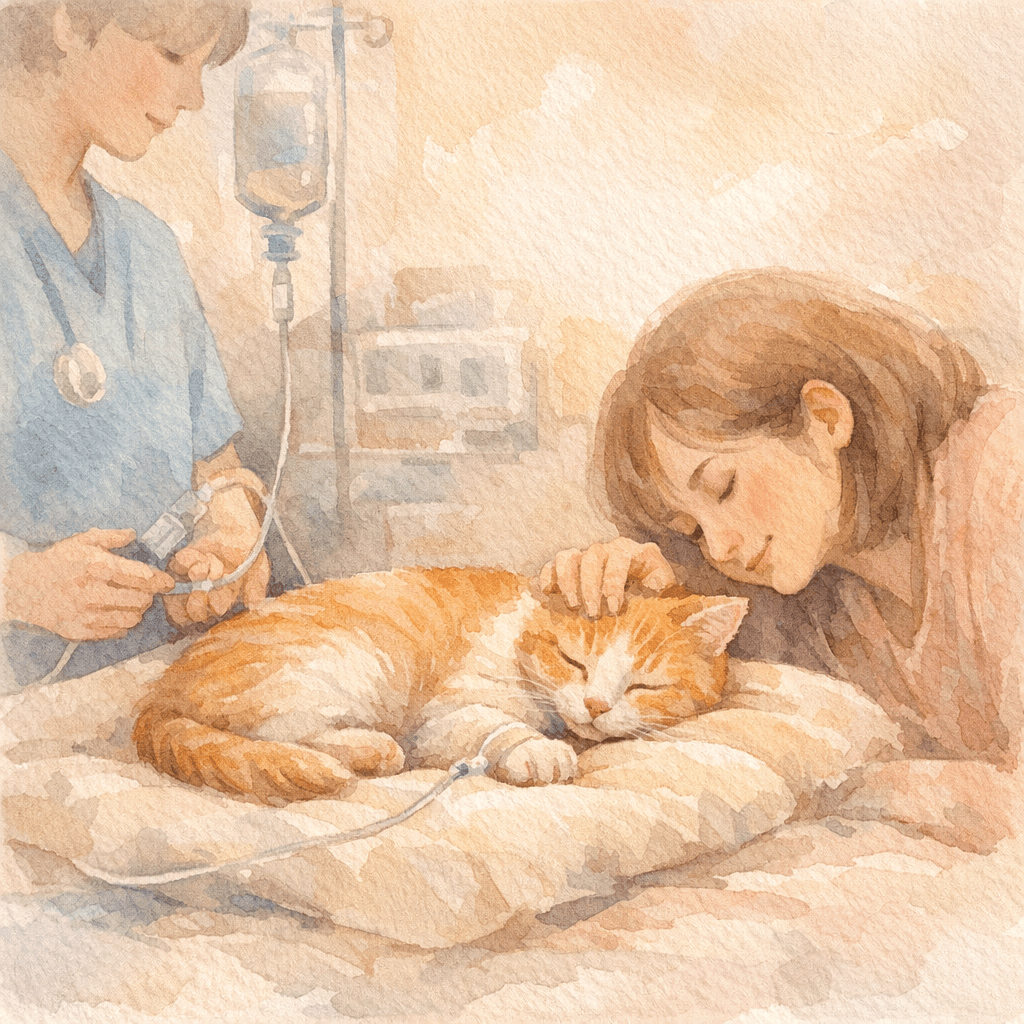
Euthanasia, derived from Greek words meaning "good death," is a peaceful procedure designed to end suffering when a cat's quality of life has severely diminished. The euthanasia cat process involves administering a carefully calculated overdose of anaesthetic, typically pentobarbital, which causes the cat to lose consciousness within seconds before peacefully passing away.
For cats specifically, euthanasia is often recommended when medical treatments are no longer effective, when pain cannot be adequately managed, or when the cat has lost interest in basic life activities like eating, drinking, or social interaction.
The procedure itself is remarkably peaceful. Your cat will simply appear to fall into a deep sleep, with no signs of distress or discomfort. This gentle transition is why many veterinarians and pet owners consider it the final act of love for a suffering companion.
When to Consider Euthanasia Cat Services
Deciding when to seek euthanasia cat services requires careful consideration of several factors. Quality of life should be your primary concern, rather than quantity of time remaining.
Physical Signs to Monitor
Watch for persistent pain that cannot be controlled with medication, evidenced by hiding, reluctance to move, changes in posture, or vocalisation. Loss of appetite leading to significant weight loss is another crucial indicator, as cats who stop eating often experience rapid decline.
Difficulty with basic functions like urination, defecation, or breathing indicates severe compromise of bodily systems. When these problems cannot be resolved with treatment, cat euthanasia may be the kindest option.
Behavioural Changes
Cats are masters at hiding illness, but certain behavioural changes signal serious decline. If your cat no longer seeks interaction with family members, stops grooming, or shows no interest in favourite activities, these may indicate suffering.
Changes in sleep patterns, excessive hiding, or appearing confused or disoriented can also suggest that your cat's quality of life has diminished significantly.
The Quality of Life Scale
Many veterinarians recommend using a quality of life scale to assess your cat objectively. Consider factors including:
- Mobility and ability to reach food, water, and litter box
- Response to treatment and pain management
- Appetite and interest in food
- Hygiene and grooming habits
- Social interaction and recognition of family
- Enjoyment of previously pleasurable activities
If more factors are negative than positive, it may be time to consider euthanasia as a compassionate choice.
At Home Euthanasia Cat Services vs Clinic Options
At Home Euthanasia Cat Benefits
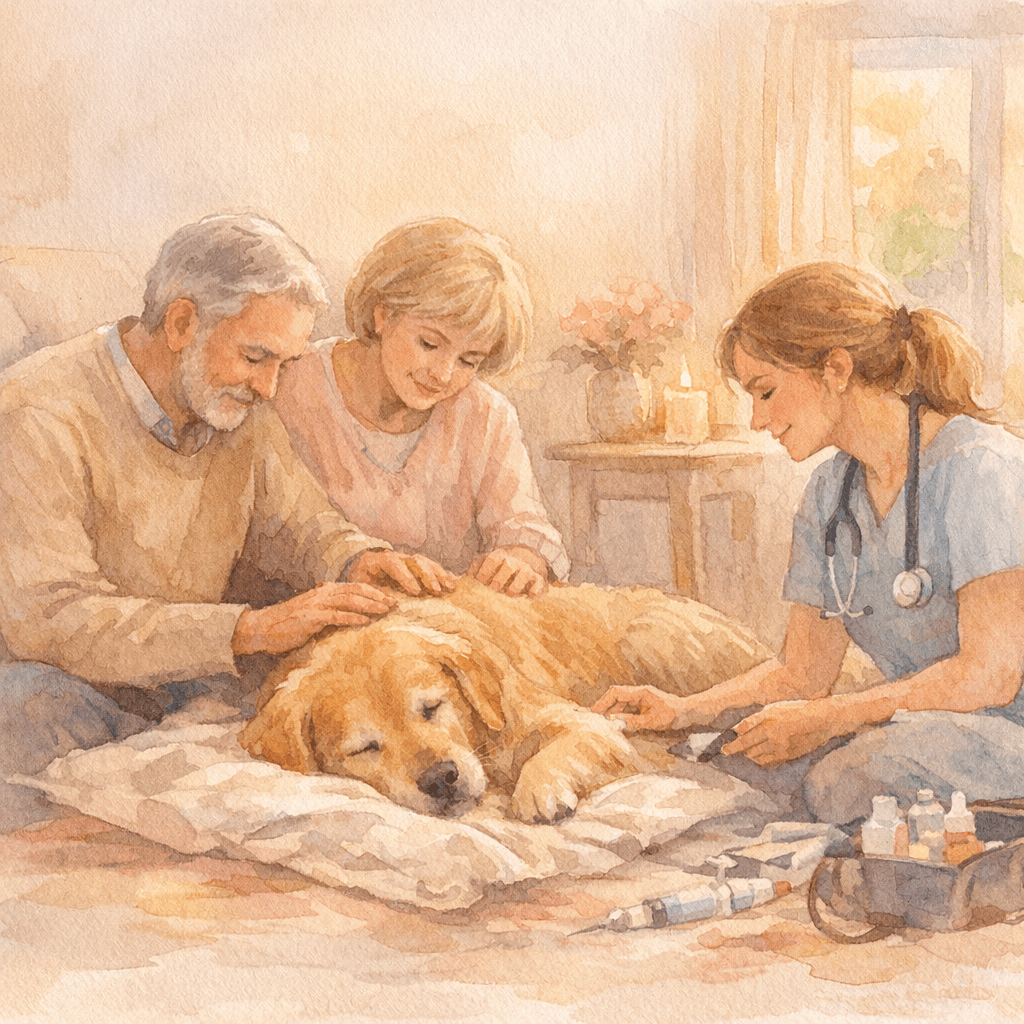
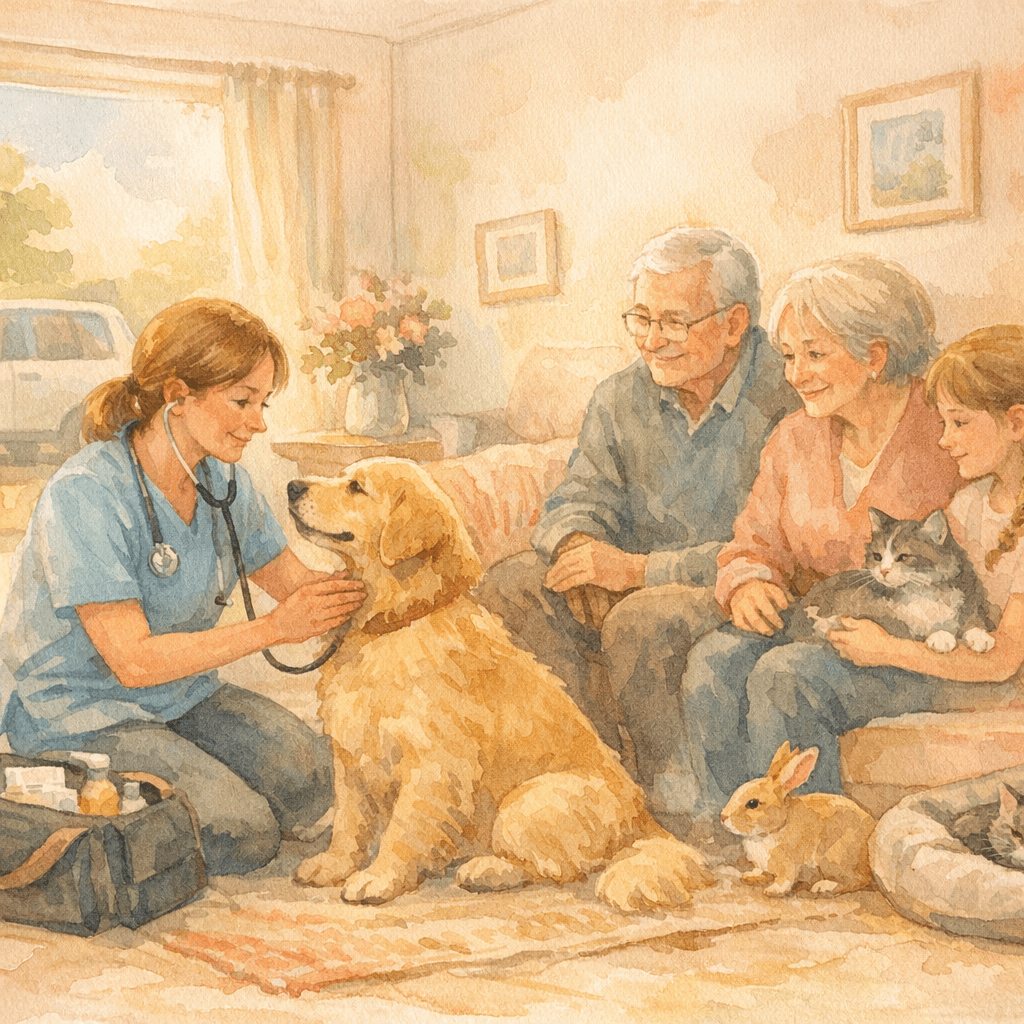
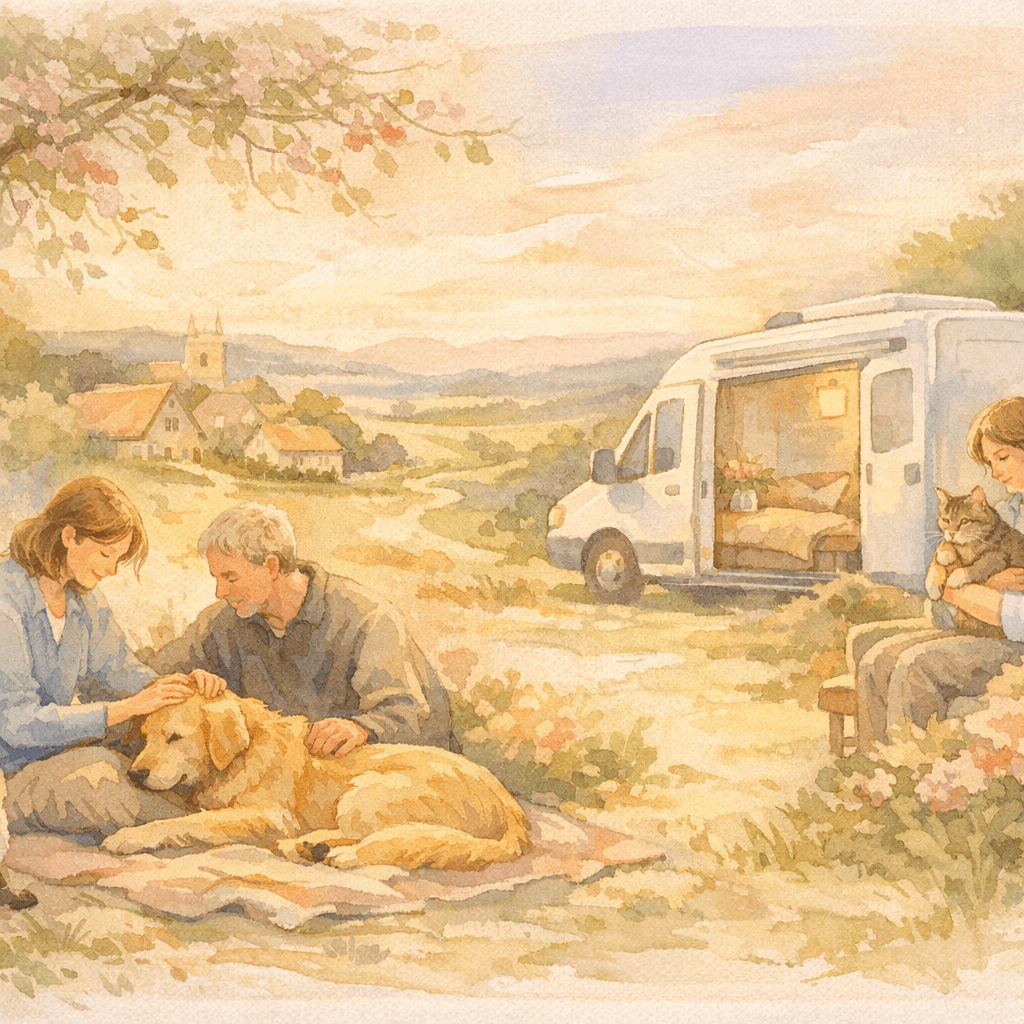
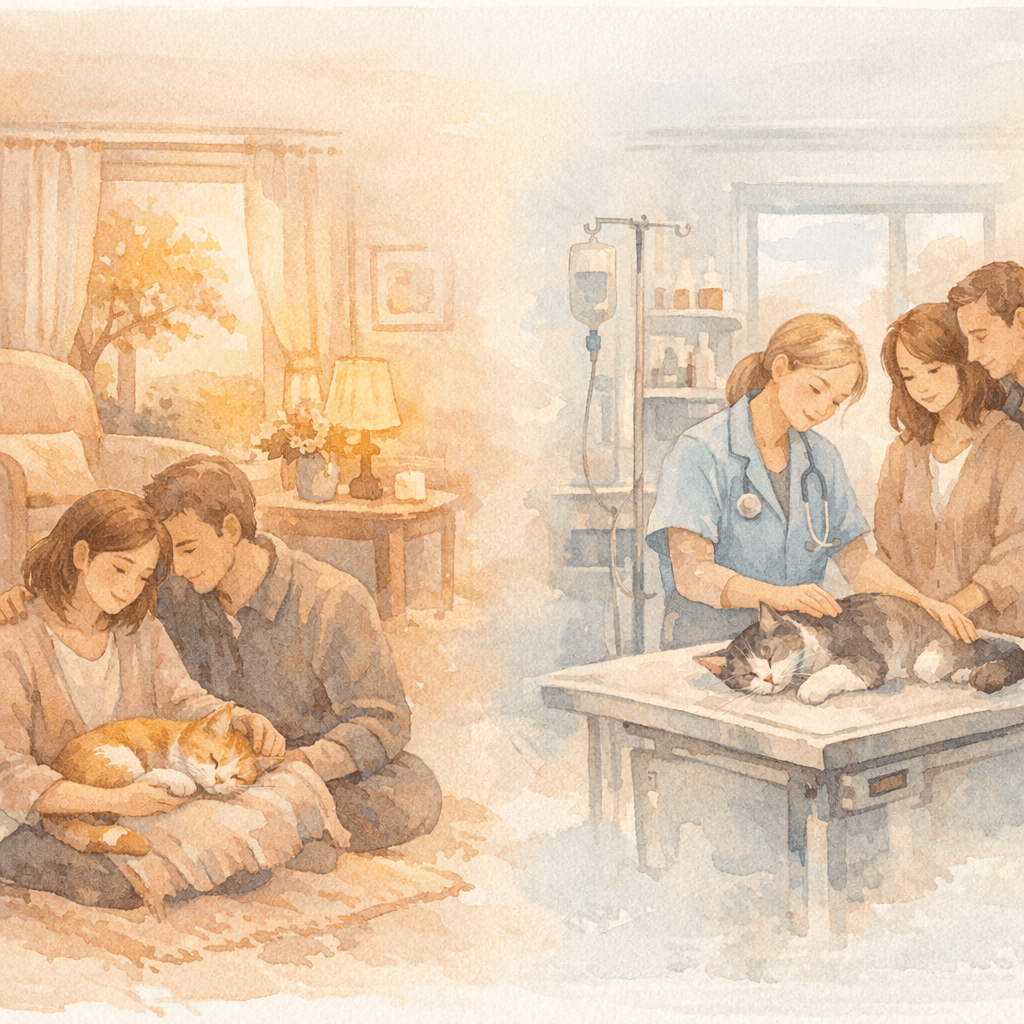
At-home pet euthanasia has become increasingly popular across the UK, and for good reason. Cats are naturally territorial and often experience significant stress when removed from familiar surroundings, particularly when they're already unwell.
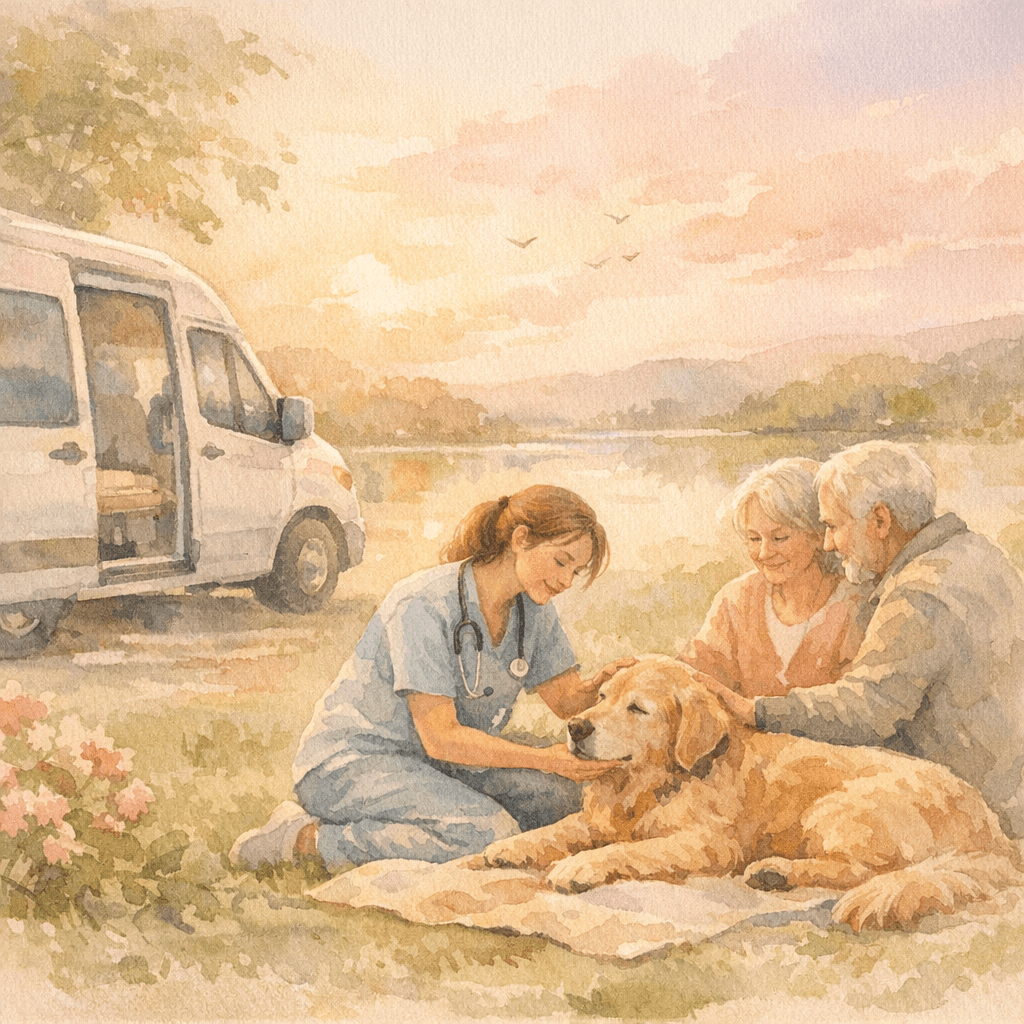
In their own environment, cats remain calm and comfortable, surrounded by familiar scents, sounds, and the presence of their family. This reduces anxiety and allows for a more peaceful goodbye. You can choose the timing, location within your home, and who's present during the procedure.
At-home cat euthanasia services also eliminate the stress of a final car journey, waiting in a veterinary reception area, or dealing with the emotional difficulty of leaving the clinic afterwards. The entire process happens at your own pace, in private.
Veterinary Clinic Procedures
Traditional clinic-based euthanasia cat procedures remain a valid option, particularly if you have an established relationship with a practice or if emergency circumstances require immediate action. Many veterinary teams are experienced in providing compassionate end-of-life care and can offer immediate aftercare options.
Some pet owners prefer the clinical setting, feeling that the professional environment provides reassurance during an emotional time. Clinics also have immediate access to equipment and medications if any complications arise, though these are extremely rare.
Making Your Choice
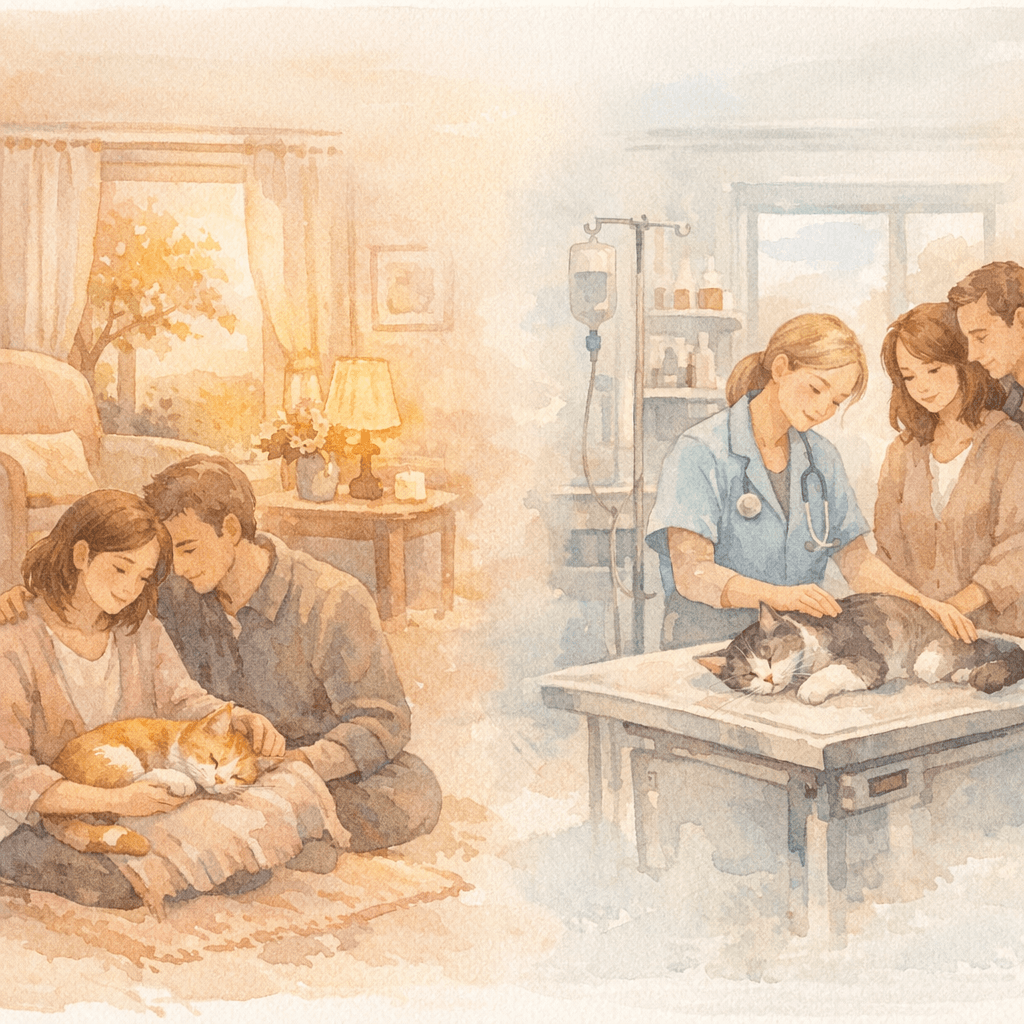
The decision between at-home and clinic-based euthanasia cat services often comes down to your cat's temperament, your family's preferences, and practical considerations. Cats who become extremely stressed during travel or at veterinary visits may benefit significantly from at-home services.
Consider your own emotional needs as well. Some families prefer the privacy of home, while others find comfort in the professional support available at a veterinary clinic.
The Euthanasia Cat Process: What to Expect
Pre-Procedure Consultation
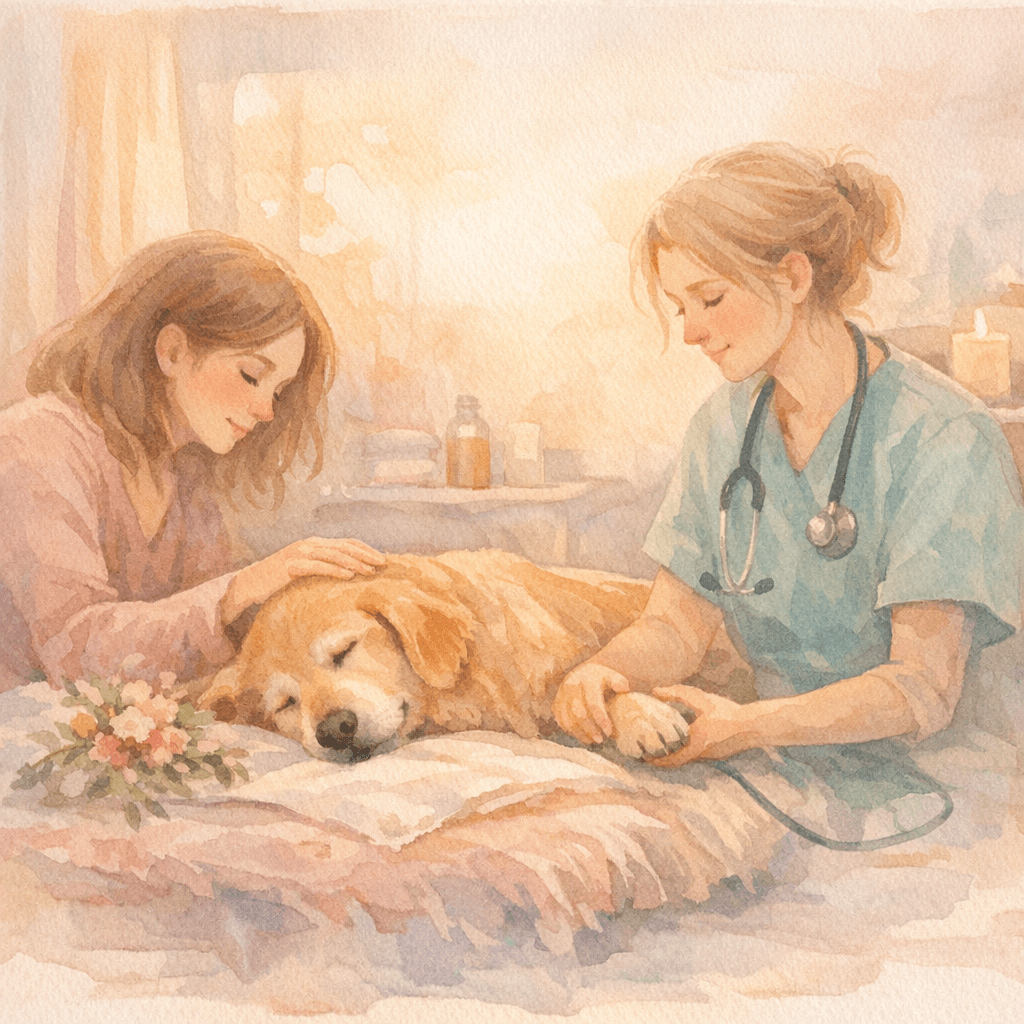
Whether at home or in a clinic, the euthanasia cat process typically begins with a consultation to confirm that euthanasia is the appropriate choice. The veterinarian will assess your cat's condition and discuss the procedure thoroughly, ensuring you understand each step.
This is an opportunity to ask questions, discuss your concerns, and ensure you're comfortable with the decision. The veterinarian will also explain aftercare options, including what happens to your cat's body after the procedure.
The Procedure Itself
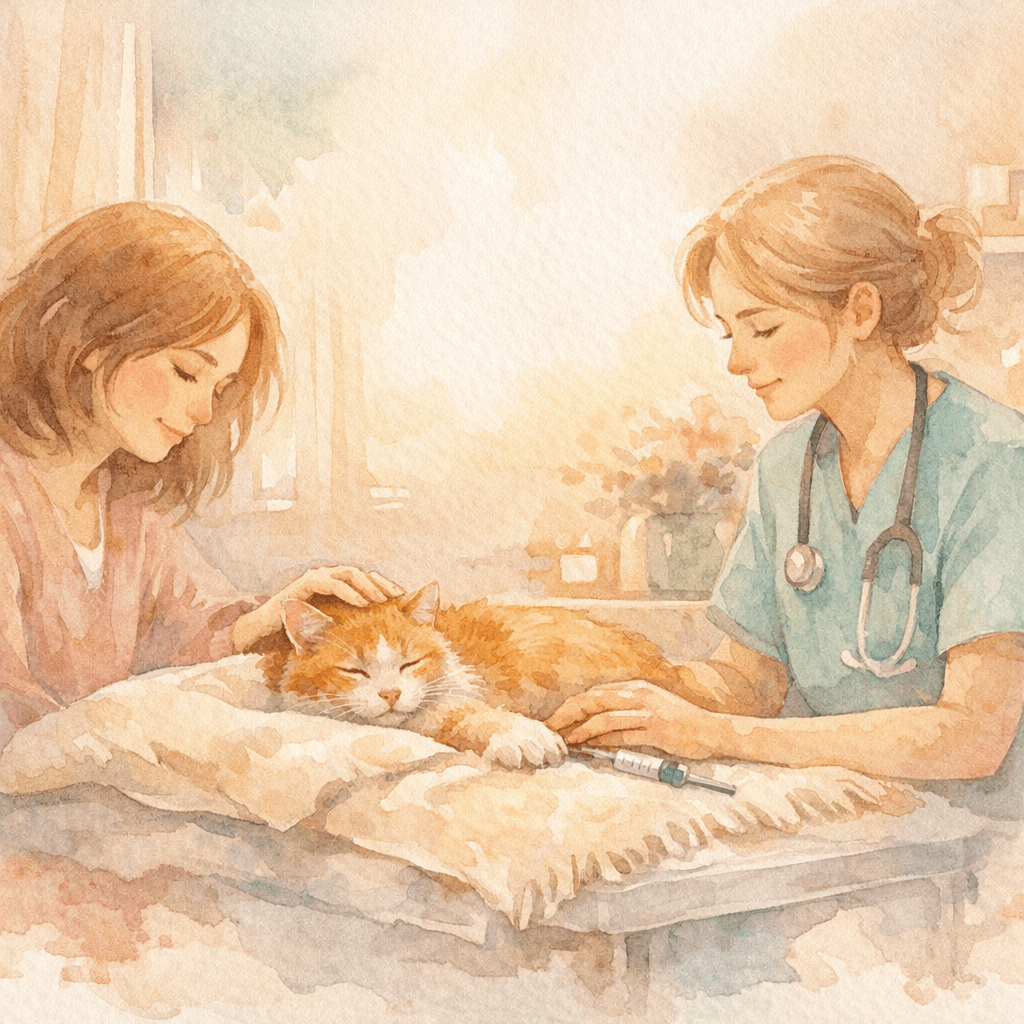
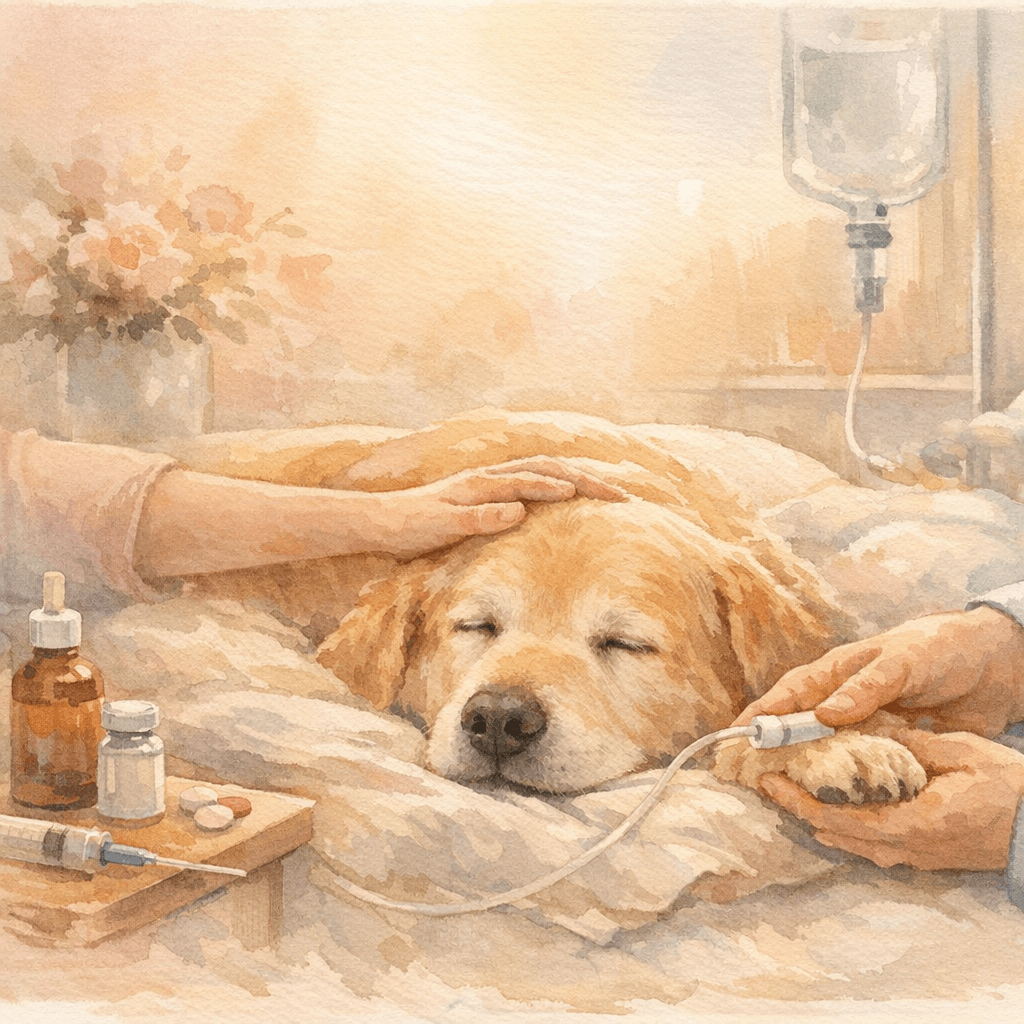
Most veterinarians begin by administering a sedative to help your cat relax completely. This is particularly beneficial for anxious cats or those who struggle with restraint. The sedative typically takes effect within 10-15 minutes, leaving your cat drowsy and peaceful.
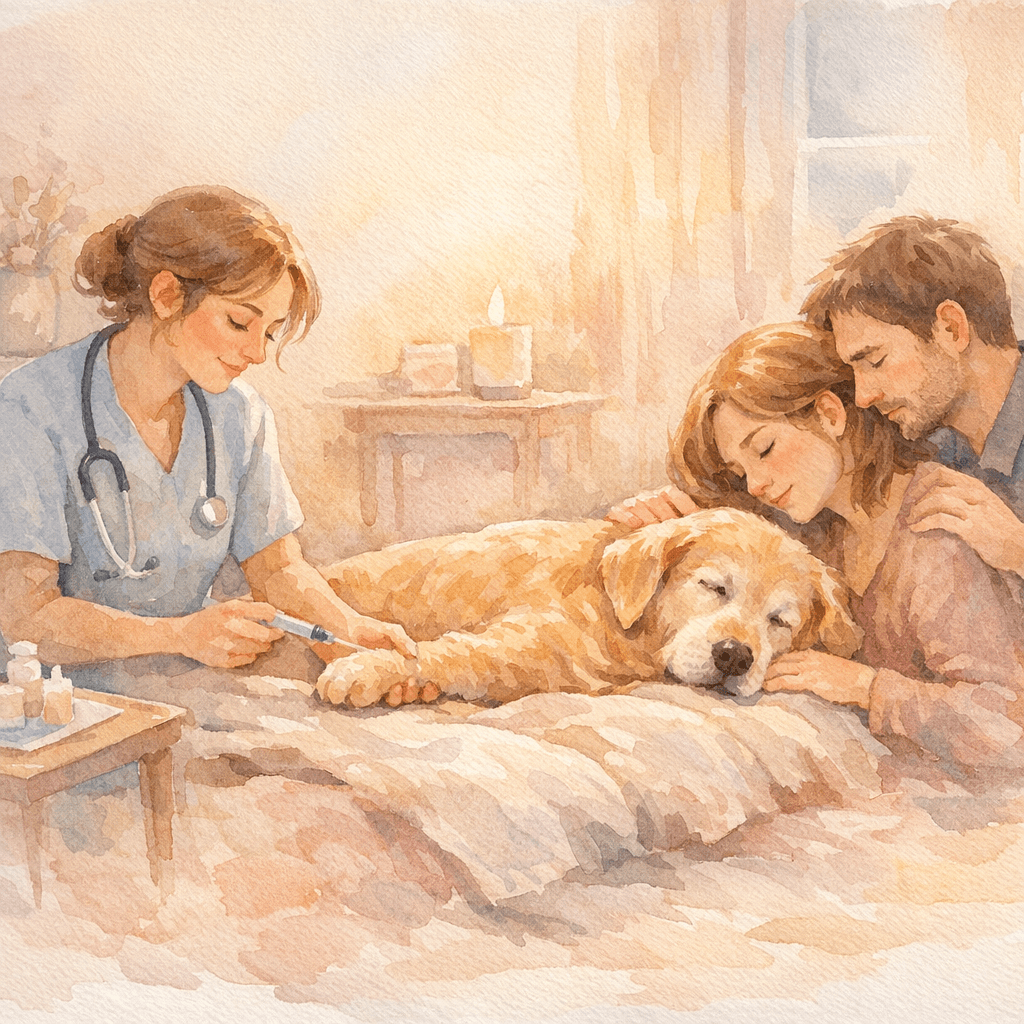
The euthanasia solution is then administered intravenously, usually through a vein in the front or back leg. The process is remarkably quick – your cat will lose consciousness within seconds and pass away peacefully within a minute.
Immediate Aftermath
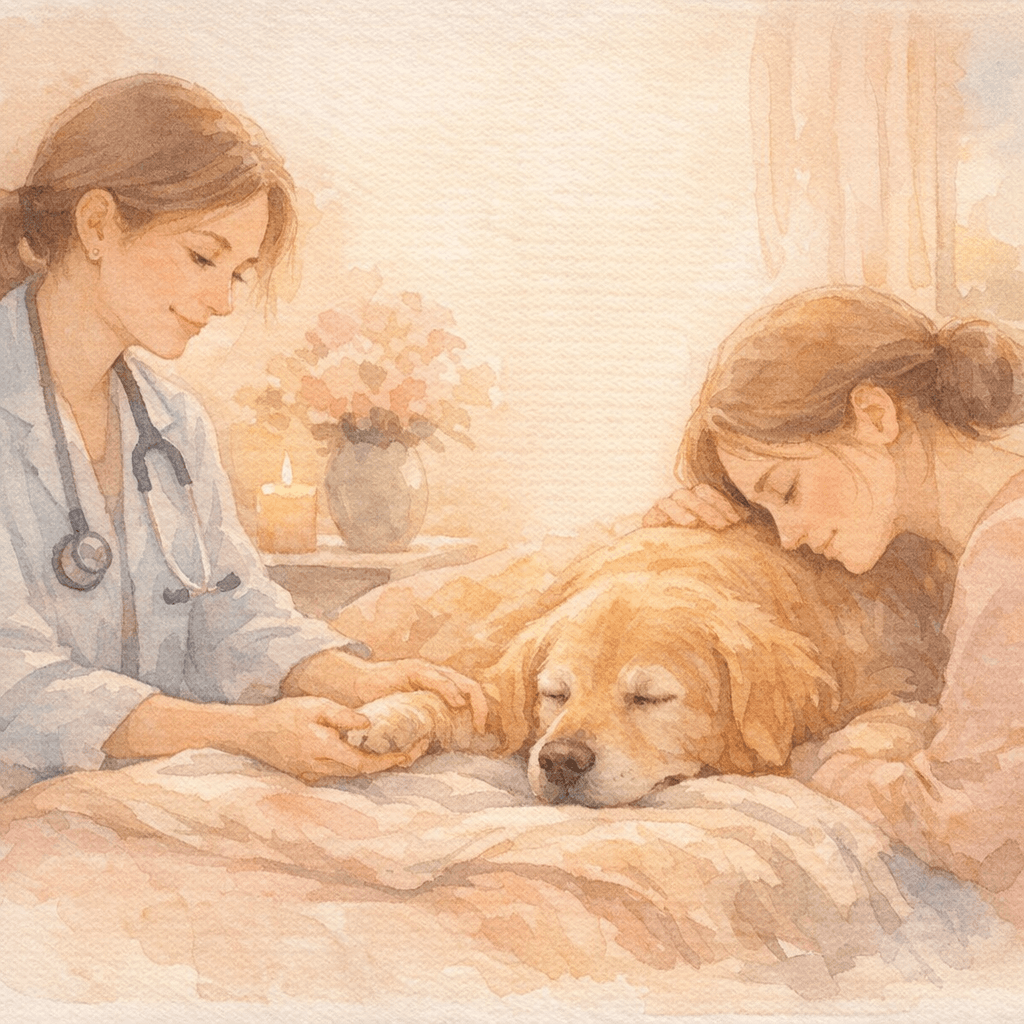
After confirming that your cat has passed away, you'll typically have time to say goodbye. There's no rush, and many veterinarians will allow you as much time as you need with your companion.
The veterinarian will discuss immediate next steps, including aftercare arrangements if you haven't already decided. This might involve individual cremation, burial arrangements, or leaving care to the veterinary practice.
Cost Considerations for Cat Euthanasia
At-Home Cat Euthanasia Pricing
At-home euthanasia cat services typically cost £290-£330-300 across the UK, though prices can vary based on location and timing. Emergency or out-of-hours services may carry additional charges, while some providers offer reduced rates for multiple pets from the same household.
This cost usually includes the veterinary consultation, the procedure itself, and basic aftercare discussion. Some providers include a memorial paw print or fur clipping as part of their service.
Combined Cat Euthanasia and Cremation Services
Many families prefer to arrange both euthanasia cat procedures and cremation through a single provider, which can be more convenient during an emotional time. Combined services typically cost £469-£729 for cats, including the euthanasia procedure and individual cremation with return of ashes.
This option eliminates the need to make separate arrangements and ensures your cat receives dignified care throughout the entire process. Our cat cremation services provide individual cremation only, meaning your cat is cremated alone and their ashes are always returned to you.
Additional Cost Factors
Consider potential additional costs such as emergency call-out fees for urgent situations, memorial items like clay paw prints or fur clippings, and upgraded urns or memorial products. Some services also offer grief support resources or memorial certificates.
Location can significantly impact pricing, with services in London and other major cities often costing more than rural areas. However, many providers offer transparent pricing and will provide quotes over the phone.
Aftercare Options Following Cat Euthanasia
Individual Cremation
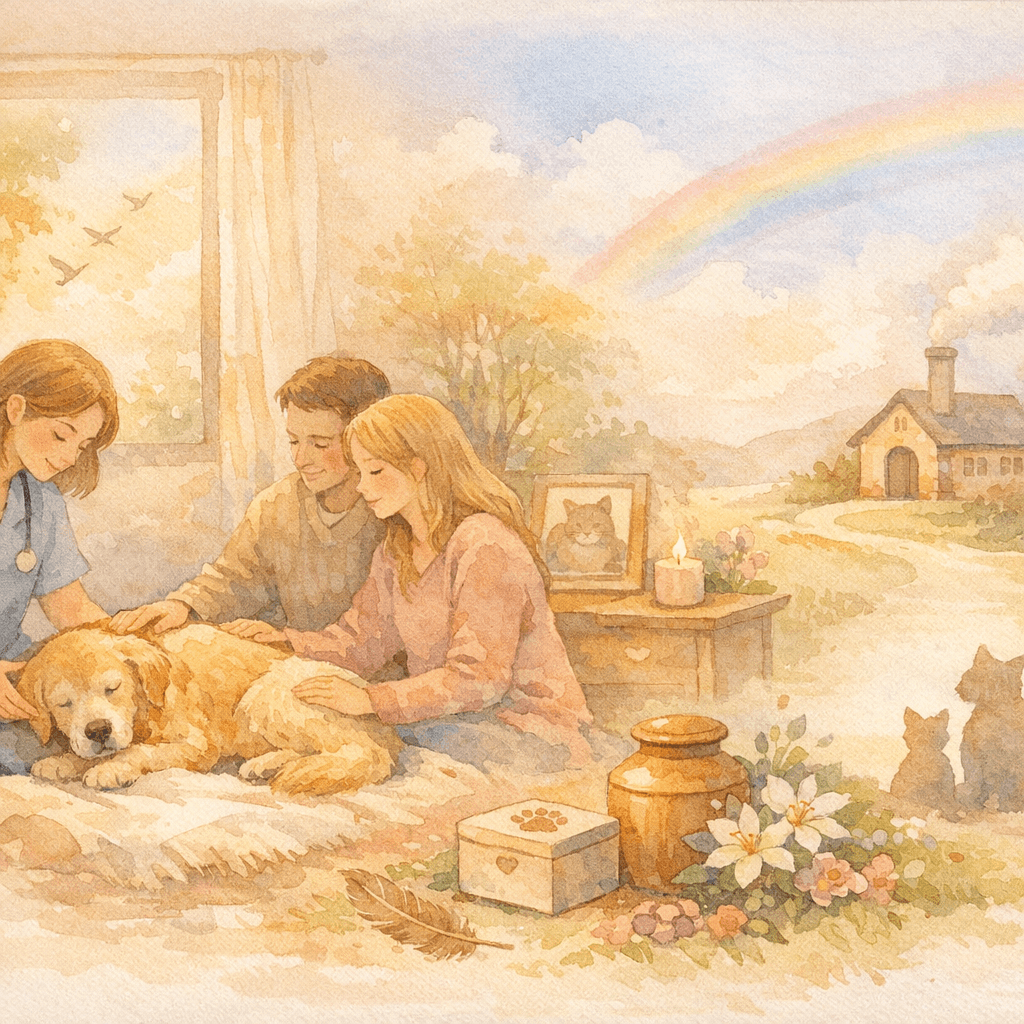
Individual cremation ensures your cat is cremated alone, with their ashes carefully collected and returned to you in a quality urn. This option provides the certainty that the ashes you receive belong only to your cat, making it meaningful for families who want to keep their companion close or scatter ashes in a special location.
Cremation typically takes place within a few days of collection, with ashes returned within 7-10 days. Many providers offer various urn options, from simple containers to decorative memorial pieces.
Private Burial
If you have suitable outdoor space, private burial on your property may be an option, though you should check local council regulations first. Choose a location away from water sources and utility lines, and bury your cat at least two feet deep.
Some families prefer natural burial grounds or pet cemeteries, which offer maintained grave sites and memorial options. These facilities often provide perpetual care and allow for grave markers or memorial plaques.
Memorial Options
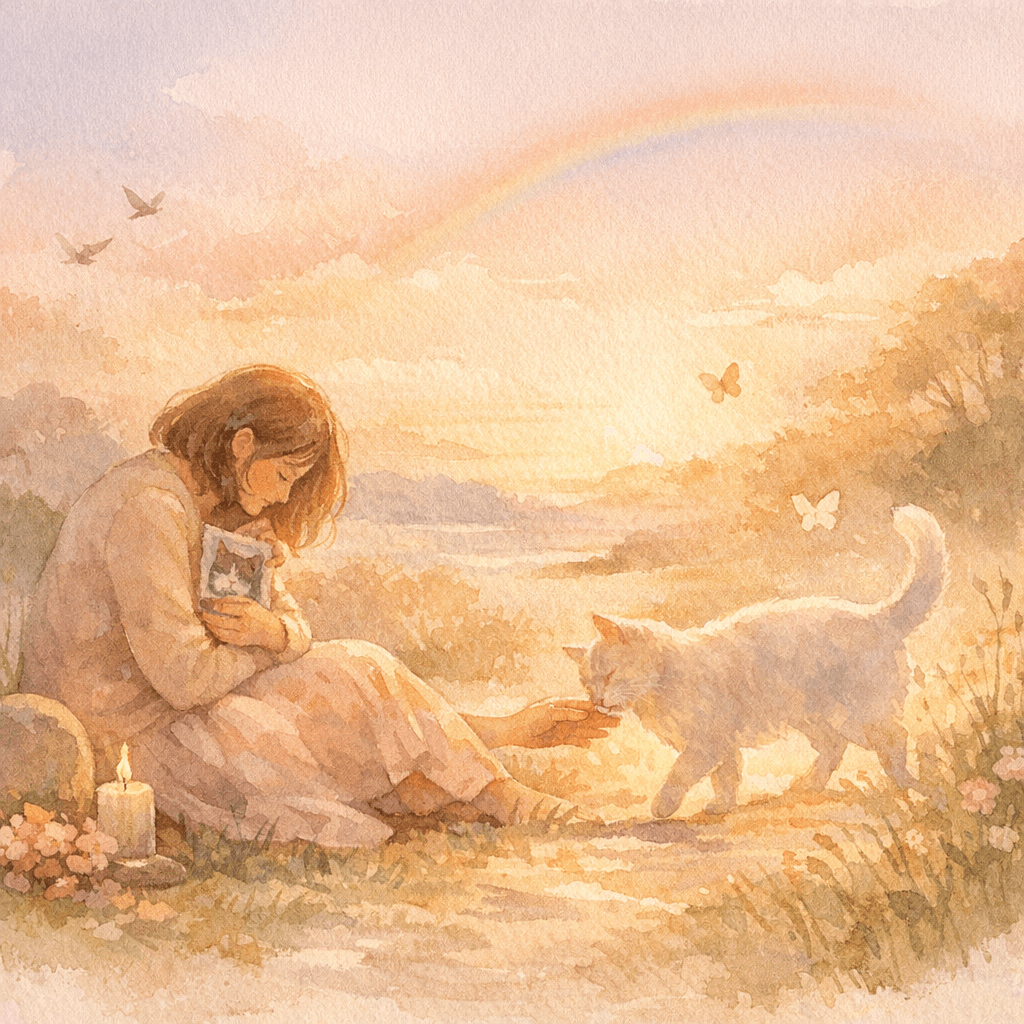
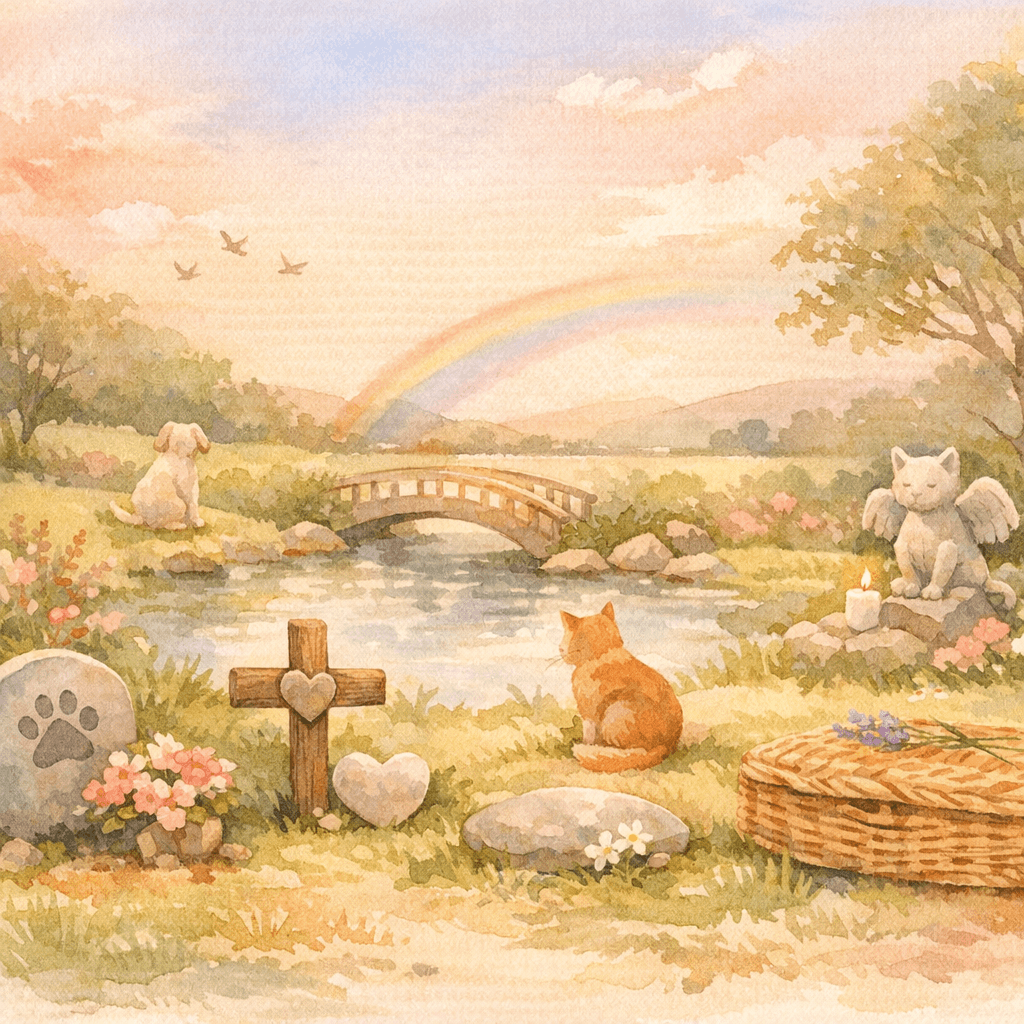
Consider creating a lasting memorial to honour your cat's memory. Options include memorial stones for garden placement, photo albums documenting your time together, donation to cat charities in your pet's name, or commissioning artwork or custom memorial items.
Many families find comfort in planting a tree or special flowers in their cat's memory, creating a living tribute that grows and flourishes over time.
Grief and Healing After Cat Loss
Understanding Pet Grief
The loss of a beloved cat following euthanasia can be as devastating as losing any family member. Pet grief is real and valid, involving the same stages of denial, anger, bargaining, depression, and acceptance as any significant loss.
Don't feel pressured to "get over it" quickly or let others minimise your grief. Cats often live 15-20 years, representing a significant portion of our lives and countless shared experiences.
Coping Strategies
Allow yourself to grieve fully and don't rush the process. Consider creating a memory book with photos and favourite stories about your cat, or write a letter expressing your feelings and gratitude for the time you shared.
Some people find comfort in routine, maintaining regular schedules to provide stability during emotional upheaval. Others benefit from changing routines temporarily to avoid painful reminders.
Professional Grief Support
The Blue Cross offers pet bereavement support services, including telephone helplines staffed by trained counsellors who understand the unique aspects of pet loss. Many veterinary practices also provide grief support resources or referrals to pet loss counsellors.
Online support groups and forums can connect you with others who understand your experience. Sharing stories and receiving support from people who've faced similar losses can be incredibly healing.
When to Consider Another Cat
There's no "right" timeline for considering another cat after loss. Some people want a new companion relatively quickly, while others need months or years before they're ready.
Consider whether you're seeking a replacement for your lost cat or genuinely ready to welcome a new companion with their own unique personality. Each cat is irreplaceable, and a new pet should be loved for who they are, not as a substitute for who you've lost.
Finding Quality Euthanasia Cat Providers
Researching Local Providers
When searching for euthanasia cat services, start by asking your regular veterinarian for recommendations. Established practices often have relationships with quality at-home providers or can perform the procedure themselves with compassion and professionalism.
Read online reviews and testimonials, paying particular attention to comments about the veterinarian's manner, timeliness, and sensitivity during difficult circumstances. Look for providers who are fully qualified veterinarians with experience in end-of-life care.
Questions to Ask Potential Providers
Inquire about the veterinarian's qualifications and experience with euthanasia cat procedures. Ask about their process, including whether they use sedation, how long the procedure takes, and what aftercare options they provide.
Discuss pricing upfront, including any potential additional charges for timing, location, or circumstances. Understand what's included in quoted prices and what might cost extra.
Red Flags to Avoid
Be cautious of providers who seem rushed, unwilling to answer questions, or unable to provide clear information about their qualifications. Avoid services that pressure you into immediate decisions or seem more focused on selling additional services than providing compassionate care.
Trust your instincts about the veterinarian's manner and communication style. You should feel comfortable and confident in their ability to provide gentle, professional care during this difficult time.
Legal and Ethical Considerations
UK Regulations
In the UK, cat euthanasia must be performed by a qualified veterinary surgeon or under direct veterinary supervision. The procedure must be performed humanely using appropriate methods and medications designed for this purpose.
Veterinarians have professional obligations to ensure animal welfare and will only perform euthanasia when it's in the animal's best interests. They may decline to perform the procedure if they believe other treatment options should be explored first.
Consent and Decision Making
Adult pet owners have the legal right to make end-of-life decisions for their cats. However, if multiple family members share ownership, it's important to reach consensus when possible to avoid future conflict or regret.
If your cat is microchipped and registered to another person, or if ownership is disputed, legal ownership must be established before euthanasia can proceed.
Record Keeping
Veterinarians maintain detailed records of euthanasia cat procedures, including the medical reasoning, medications used, and disposal arrangements. These records are important for regulatory compliance and may be relevant if questions arise later.
Keep copies of any documentation related to your cat's final care, including veterinary records, euthanasia certificates, and cremation certificates if applicable.
Supporting Other Pets in the Household
Helping Remaining Pets Cope
If you have other cats or pets, they may notice their companion's absence and show signs of grief or confusion. Maintain regular routines as much as possible to provide stability during the adjustment period.
Some pets may search for their missing companion or show changes in appetite, activity level, or behaviour. These reactions are normal and typically resolve with time and patience.
Introducing Changes Gradually
Avoid making major changes to your remaining pets' environment immediately after your cat's euthanasia. Keep feeding schedules, sleeping arrangements, and play routines consistent to minimise additional stress.
If your deceased cat had a special relationship with another pet, that animal may benefit from extra attention and comfort during the grieving period.
Frequently Asked Questions
How do I know if it's the right time for cat euthanasia?
The right time is when your cat's quality of life has permanently declined to the point where they're experiencing more bad days than good ones. Consider their mobility, appetite, response to treatment, and interest in activities they once enjoyed. If pain cannot be adequately controlled or if basic bodily functions are severely compromised, euthanasia may be the kindest choice.
What's the difference between at-home and clinic euthanasia cat services?
At-home cat euthanasia takes place in your familiar environment, reducing stress for your cat and providing privacy for your family. Clinic-based procedures offer immediate professional support and access to equipment if needed. Both options use the same gentle procedure, so the choice often depends on your cat's temperament and your family's preferences.
How much does cat euthanasia cost in the UK?
At-home cat euthanasia typically costs £290-£330-300, while clinic-based procedures may be slightly less expensive. Combined euthanasia and individual cremation services cost approximately £469-£729, including collection and return of your cat's ashes. Prices can vary based on location, timing, and specific service providers.
Can I stay with my cat during euthanasia?
Yes, most veterinarians encourage owners to stay with their cats during the procedure if they're comfortable doing so. Your presence can provide comfort to your cat, and many families find it meaningful to be there during their companion's final moments. However, there's no obligation to stay if you prefer not to witness the procedure.
What happens to my cat's body after euthanasia?
You have several options including individual cremation with ashes returned to you, private burial on your property (where legally permitted), or leaving arrangements to your veterinary practice. Our cat cremation price starts at £124. Combined euthanasia and cremation services have their own pricing.
How long does the euthanasia cat procedure take?
The actual euthanasia procedure takes only a few minutes from start to finish. However, the entire appointment typically lasts 30-60 minutes, allowing time for consultation, saying goodbye, and discussing aftercare arrangements. Most cats lose consciousness within seconds of receiving the injection and pass away peacefully within a minute.