Key Takeaways

- The primary dog euthanasia drug is pentobarbital sodium, a fast-acting barbiturate that causes peaceful unconsciousness within seconds
- Euthanasia medications work by depressing the central nervous system, causing the dog to lose consciousness before breathing and heart function cease
- The process is designed to be painless when administered properly by a qualified veterinarian
- Pre-medication sedatives may be used to calm anxious dogs before the main euthanasia injection
- The entire procedure typically takes just a few minutes from injection to peaceful passing
- Only licensed veterinarians can legally administer euthanasia drugs in the UK
- Understanding the medications involved can help pet owners feel more prepared for this difficult decision
When facing the heartbreaking decision to say goodbye to your beloved dog, understanding the dog euthanasia drug used can provide some comfort and reassurance. Many pet owners have questions about what medications are involved, how they work, and whether the process causes any pain or distress to their companion.
The medications used in dog euthanasia are specifically chosen for their ability to provide a peaceful, painless passing. Knowing what to expect can help you make informed decisions and feel more prepared during this emotionally challenging time.
Understanding the Primary Dog Euthanasia Drug
The primary medication used for dog euthanasia is pentobarbital sodium, a powerful barbiturate that belongs to a class of drugs known as central nervous system depressants. This dog euthanasia drug has been the standard choice for veterinary euthanasia for decades due to its reliability and humane effects.
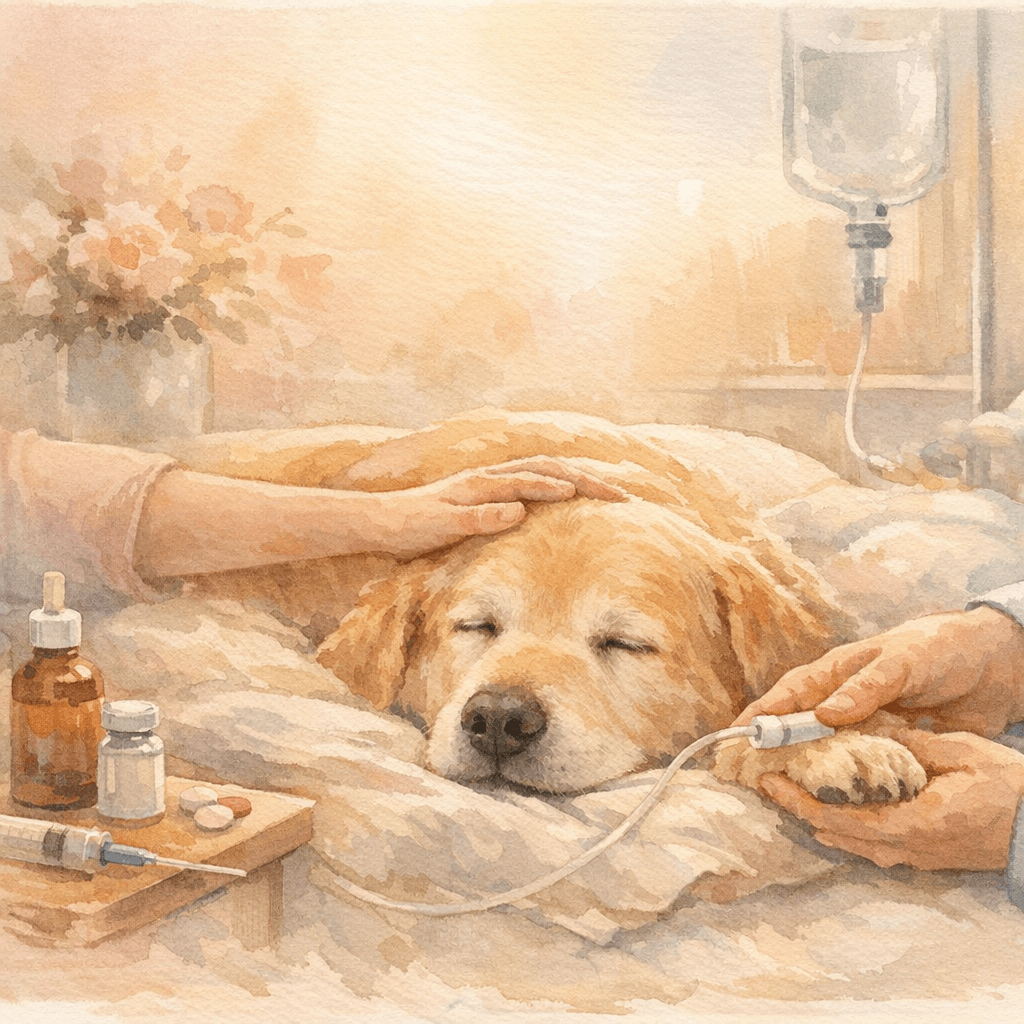
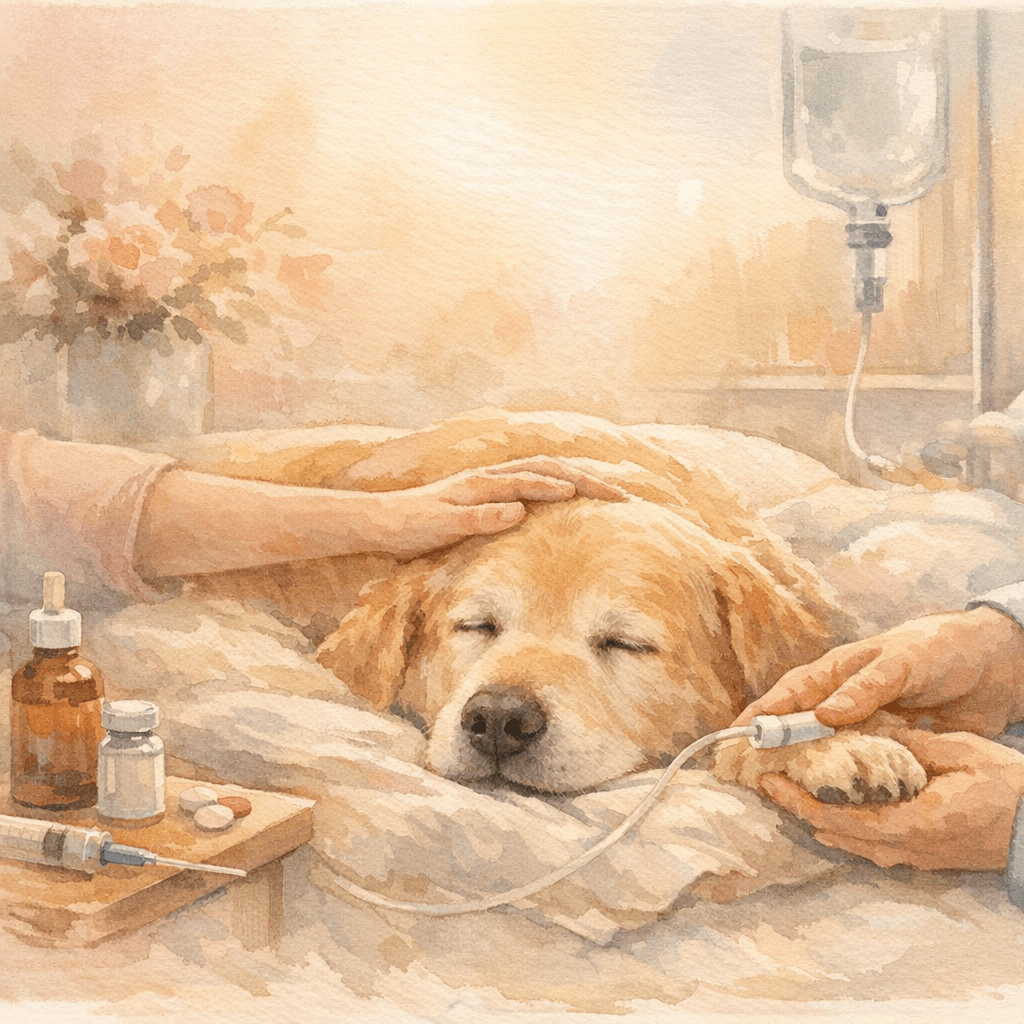
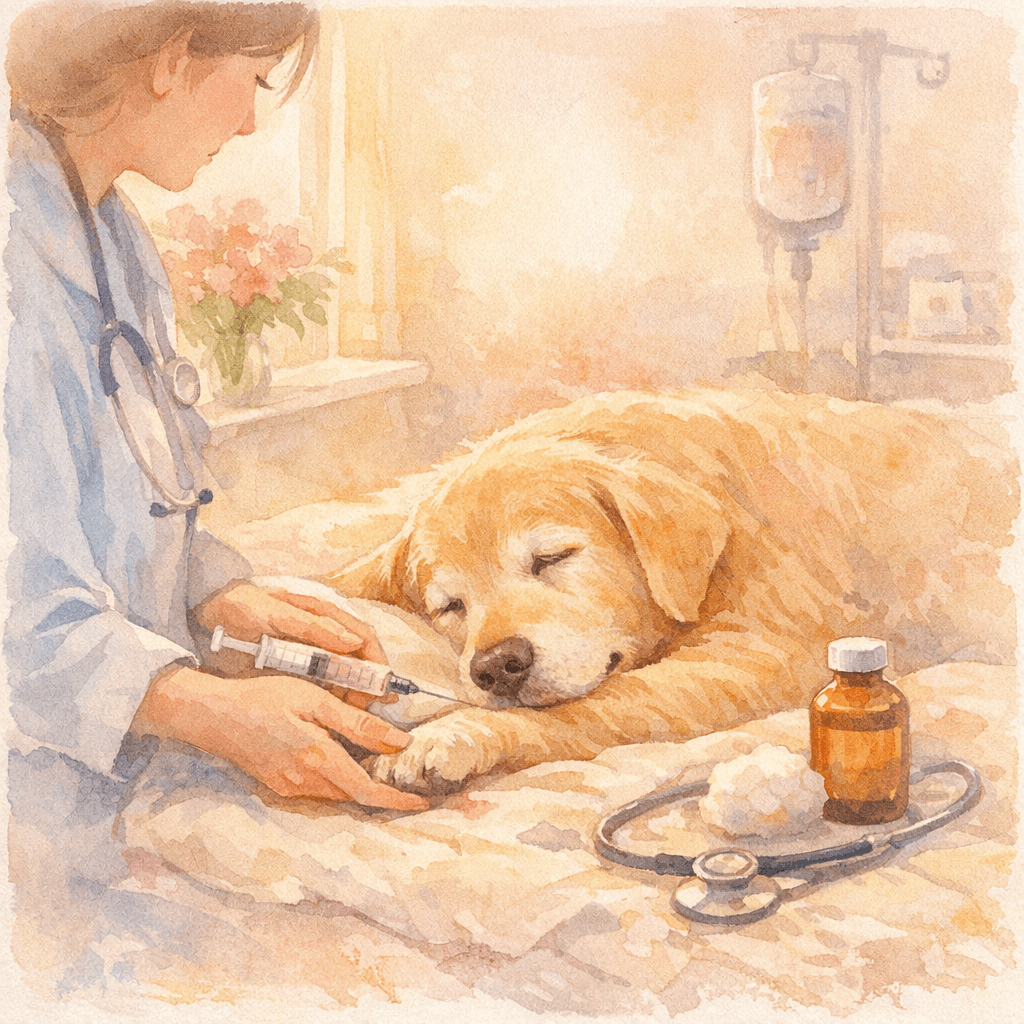
Pentobarbital works by rapidly depressing brain function, causing immediate unconsciousness followed by respiratory and cardiac arrest. The dog euthanasia drug is typically administered as an intravenous injection, usually into a vein in the front leg, though other injection sites may be used depending on your dog's condition and the veterinarian's assessment.
How Dog Euthanasia Drugs Work
When the dog euthanasia drug pentobarbital enters your dog's bloodstream, it quickly crosses the blood-brain barrier and begins affecting the brain's ability to maintain consciousness and vital functions. Within 10-20 seconds of injection, your dog will lose consciousness completely. This happens so quickly that there's no awareness of what's happening.
After unconsciousness occurs, the dog euthanasia drug continues to depress the respiratory and cardiac centres of the brain. Breathing typically stops within 1-2 minutes, followed by cardiac arrest. The entire process is usually complete within 3-5 minutes, though some dogs may take slightly longer.
The Blue Cross explains that this rapid progression ensures your dog experiences no distress or awareness during the procedure. The dog euthanasia drug essentially mimics the natural process of falling into a deep, peaceful sleep from which they don't wake up.
Does the Dog Euthanasia Drug Cause Pain?
One of the most common concerns pet owners have is whether the dog euthanasia drug causes pain or distress. The answer is reassuring: when administered correctly by a qualified veterinarian, the dog euthanasia drug does not cause pain or discomfort to your dog.
The only sensation your dog might feel is a slight pinch from the needle insertion, similar to having a blood sample taken. Some dogs may react mildly to this, but this brief moment is far outweighed by the immediate relief from any pain or suffering they may have been experiencing due to illness or age.
The Role of Pre-medication Before the Dog Euthanasia Drug
In some cases, particularly with anxious or aggressive dogs, veterinarians may administer a sedative before the main dog euthanasia drug injection. These pre-medications, often including drugs like acepromazine or diazepam, help calm your dog and make the process more peaceful for everyone involved.
Pre-medication is especially valuable for dogs who are fearful of veterinary procedures or who might struggle during the injection. The sedative allows them to relax completely before the final dog euthanasia drug is administered, ensuring the most peaceful possible experience.
Types of Dog Euthanasia Drugs Available
While pentobarbital sodium is the most common dog euthanasia drug, veterinarians may occasionally use other medications depending on specific circumstances. These alternative dog euthanasia drugs are all designed with the same goal: to provide a rapid, painless transition.
Primary Dog Euthanasia Drug Options
Pentobarbital Sodium: The gold standard dog euthanasia drug for veterinary euthanasia, this medication is highly effective and works within seconds. It's typically administered as a concentrated solution through an intravenous injection.
Secobarbital: Sometimes used as an alternative dog euthanasia drug to pentobarbital, this barbiturate works in a similar way but may take slightly longer to achieve the same effect.
Supporting Medications Used with Dog Euthanasia Drugs
Propofol: Occasionally used as a pre-medication or in combination with other drugs, propofol is an anaesthetic that can help ensure complete unconsciousness before the primary dog euthanasia drug takes effect.
T-61: Though less commonly used in the UK as a dog euthanasia drug, this three-drug combination includes a local anaesthetic, a muscle relaxant, and a cardiac arrest agent. However, most veterinarians prefer single-agent solutions like pentobarbital for their reliability and speed.
The Dog Euthanasia Drug Administration Process
Understanding what happens when the dog euthanasia drug is administered can help you feel more prepared and focused on comforting your dog during their final moments. The process typically follows a gentle, standardised approach designed to minimise stress for both you and your pet.
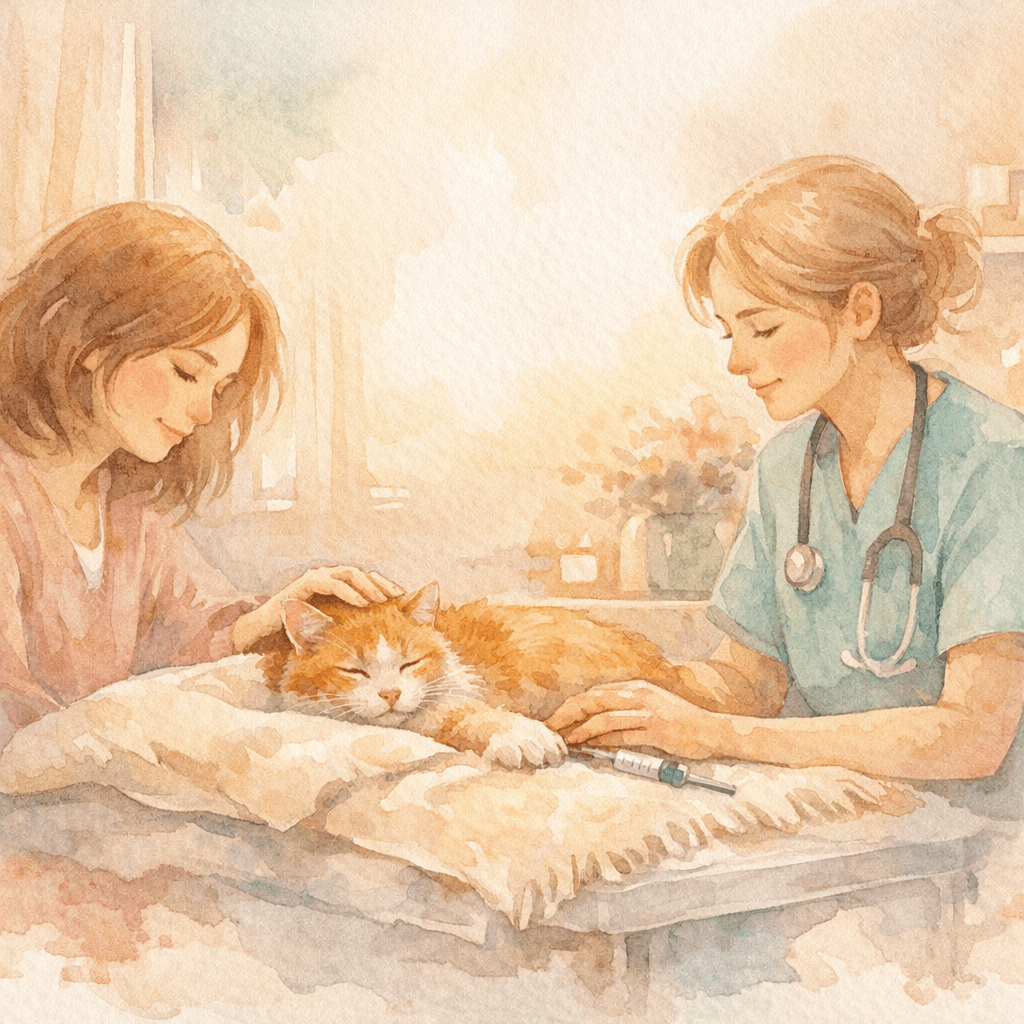
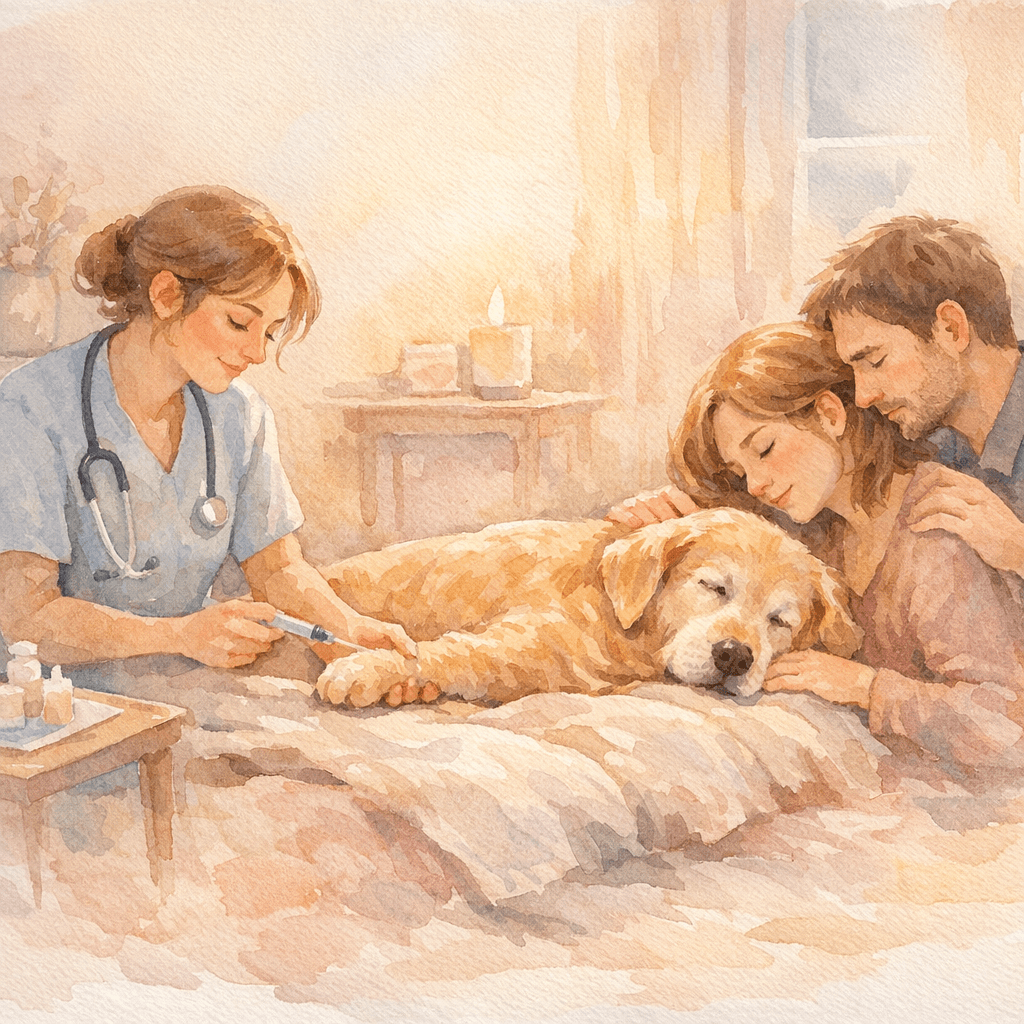
Your veterinarian will first locate a suitable vein, usually in the front leg. They may shave a small area of fur to better visualise the vein and ensure accurate injection of the dog euthanasia drug. Some dogs may require a mild restraint to keep them still, but this is done gently and with your dog's comfort in mind.
The dog euthanasia drug is then administered slowly through the injection site. Your dog will typically lose consciousness within 10-30 seconds of the injection beginning. You'll notice their eyes may remain open, but they're completely unaware and feeling nothing as the dog euthanasia drug takes effect.
Choosing the Right Setting for Dog Euthanasia Drug Administration
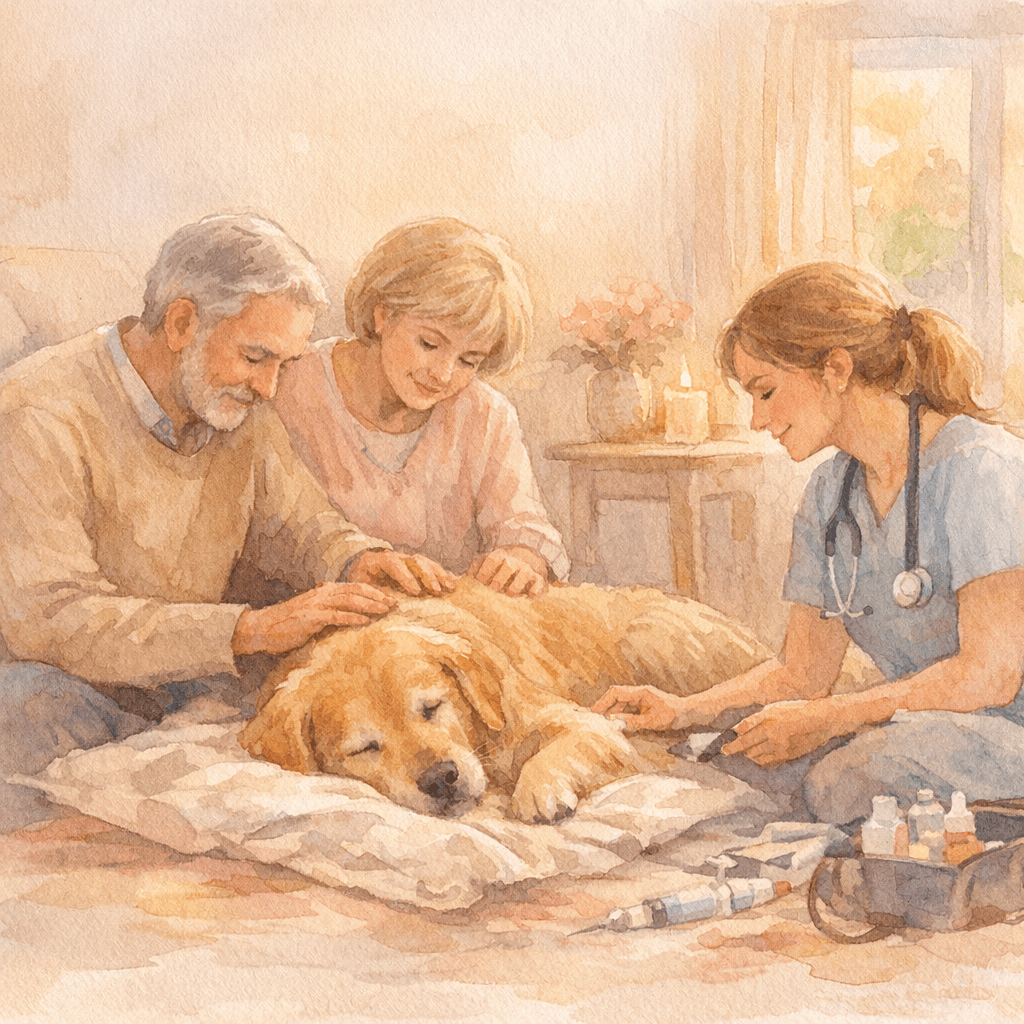
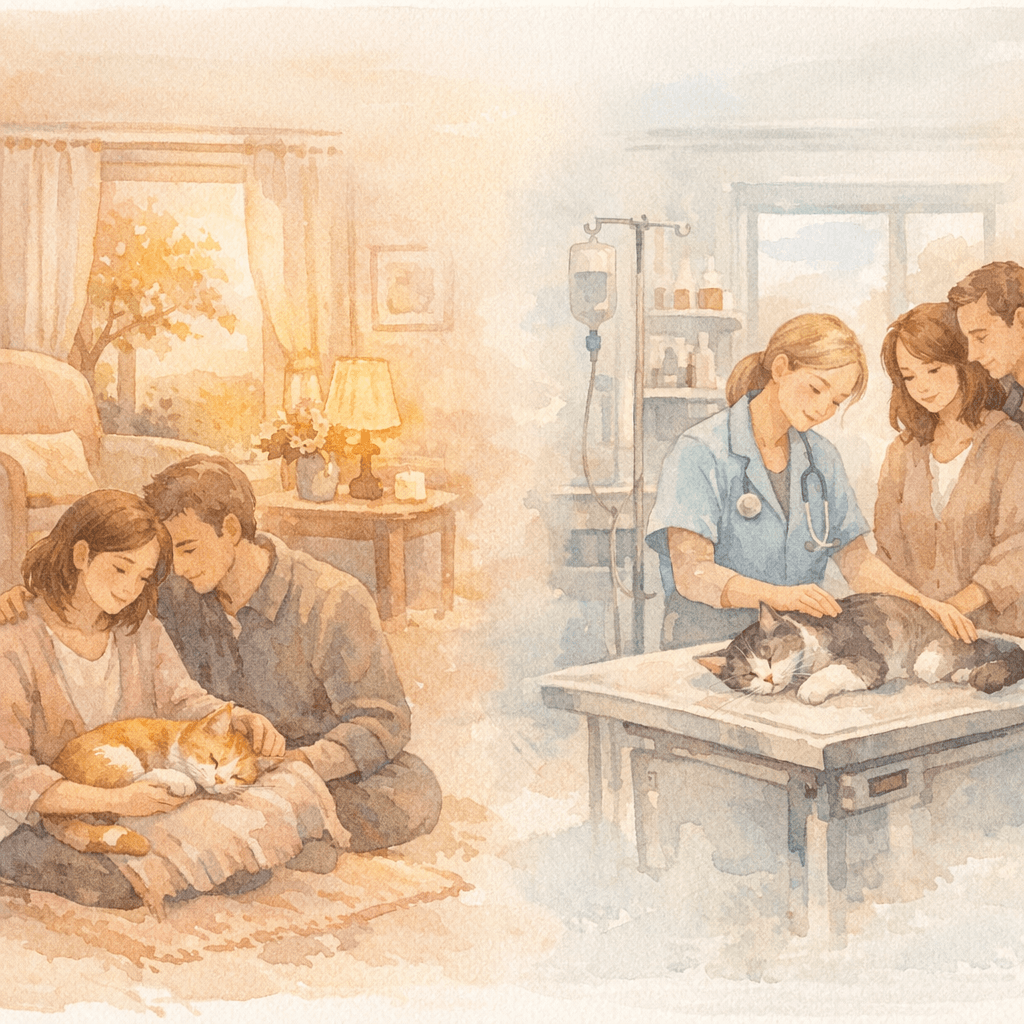
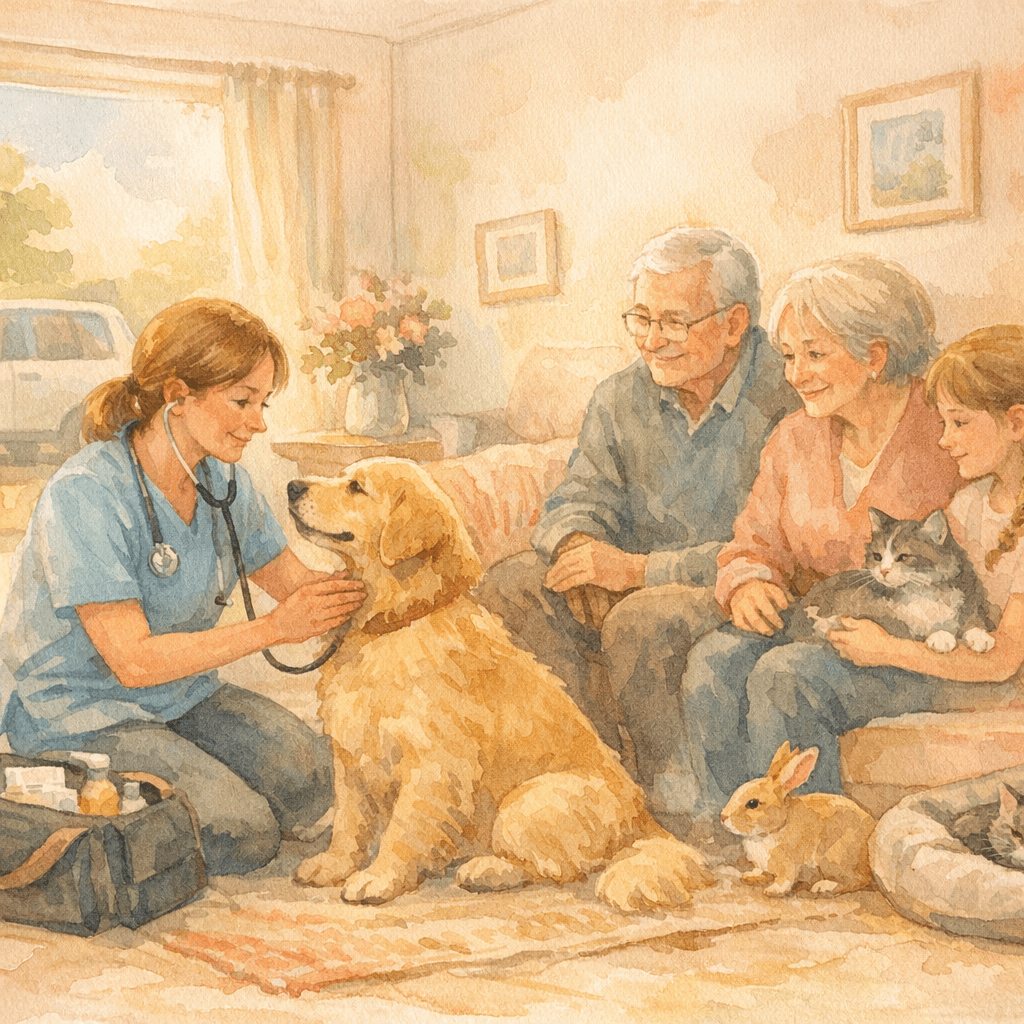
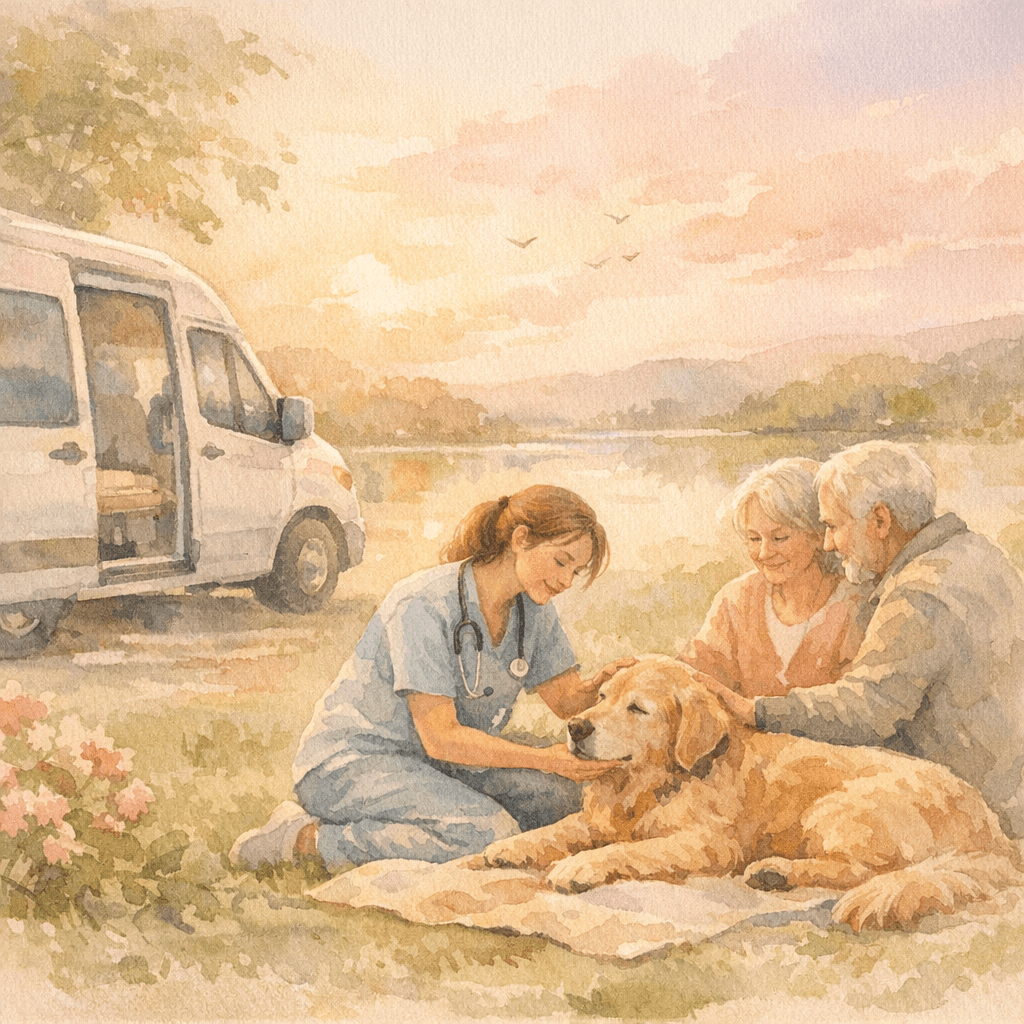
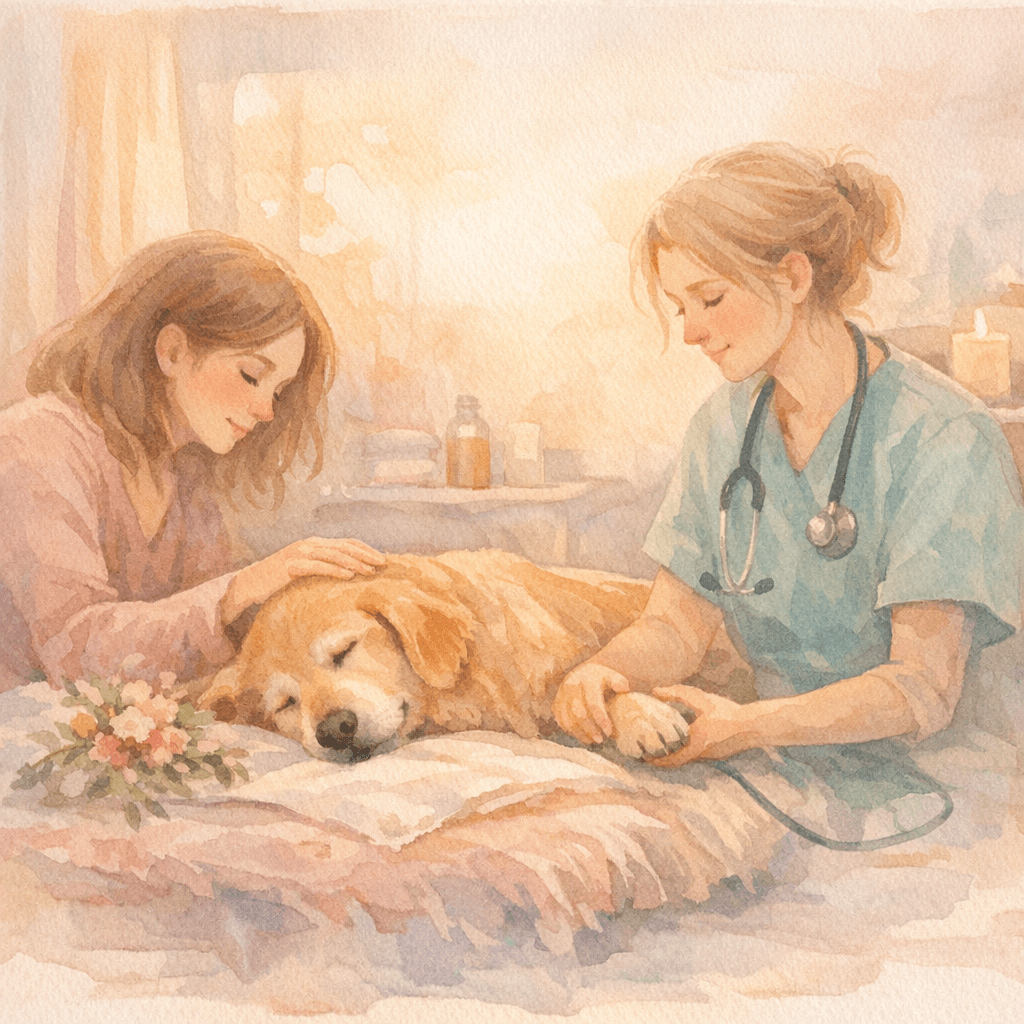
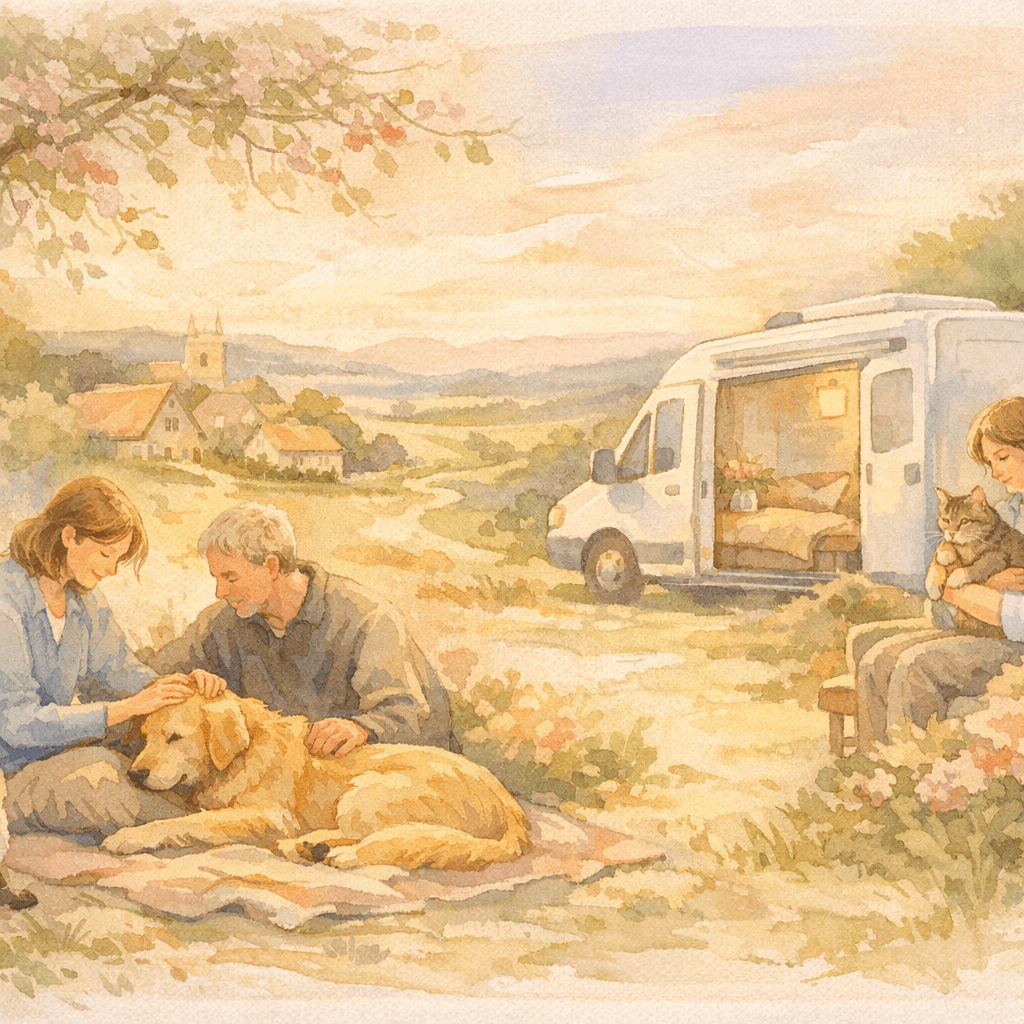
Many pet owners today opt for at-home pet euthanasia services, which allow your dog to pass away in familiar surroundings. This can be particularly beneficial for anxious dogs or those who find veterinary clinics stressful. The dog euthanasia drug used is identical whether the procedure takes place at home or in a clinic.
At-home services often provide a more relaxed environment where you can take your time saying goodbye without feeling rushed. Your dog can be in their favourite spot, surrounded by family members, which can make the experience more peaceful for everyone involved when the dog euthanasia drug is administered.
Safety and Legal Considerations for Dog Euthanasia Drugs
Dog euthanasia drugs are strictly controlled substances that can only be obtained and administered by licensed veterinarians. These medications are not available to the general public and must be handled with extreme care due to their potency.
The storage, handling, and disposal of dog euthanasia drugs are subject to strict veterinary and legal guidelines. Veterinarians must maintain detailed records of their use and ensure proper disposal of any unused portions according to controlled substance regulations.
Veterinary Training for Dog Euthanasia Drug Administration
Administering the dog euthanasia drug requires specific training and expertise that only qualified veterinarians possess. They understand the correct dosages, injection techniques, and how to handle complications that might arise during the procedure.
This professional expertise is crucial for ensuring the dog euthanasia drug administration goes smoothly and peacefully. Attempting to perform euthanasia without proper training and medications would be both illegal and potentially traumatic for your pet.
Preparing for Your Dog's Final Journey
Once you've made the difficult decision that euthanasia is the most loving choice for your dog, there are several practical considerations to address. Understanding the dog euthanasia drug process is just one part of preparing for this emotional time.
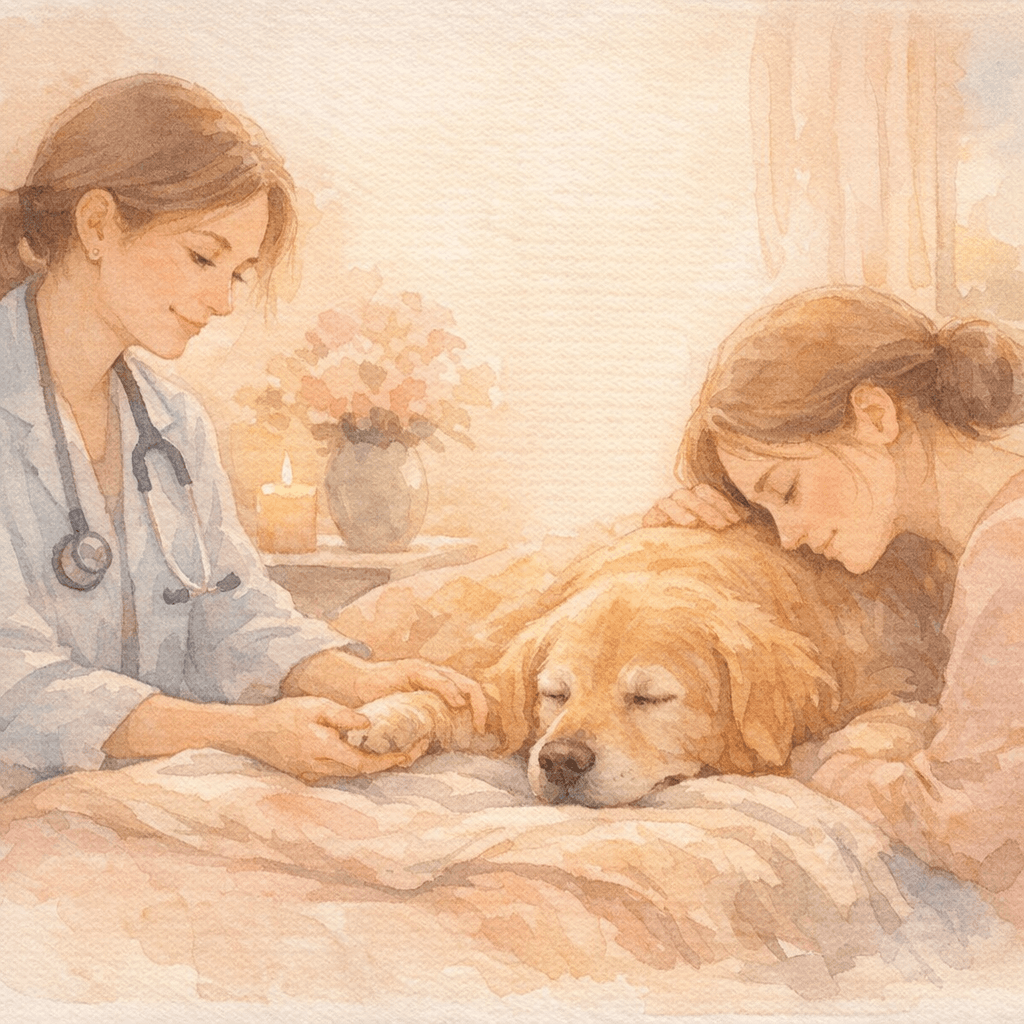
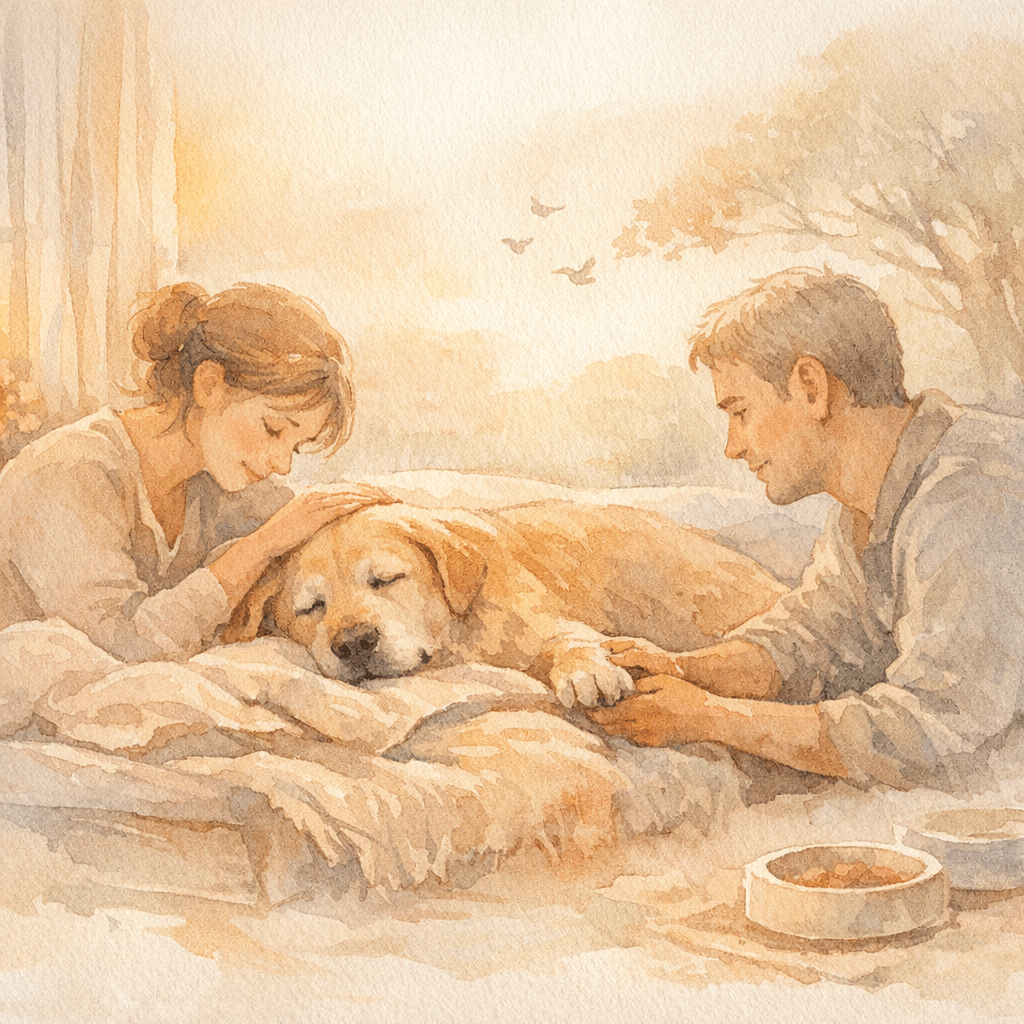
Consider whether you want to be present during the dog euthanasia drug administration. Many pet owners find comfort in staying with their dog throughout the process, offering gentle words and touches as the medication takes effect. Others prefer to say their goodbyes beforehand and allow the veterinarian to proceed privately.
Think about what you'd like to do with your dog's remains afterwards. Many families choose dog cremation services to honour their pet's memory and receive their ashes back. Individual cremation ensures your dog is cremated alone, and their ashes are returned to you for memorialisation.
Making Memorial Plans
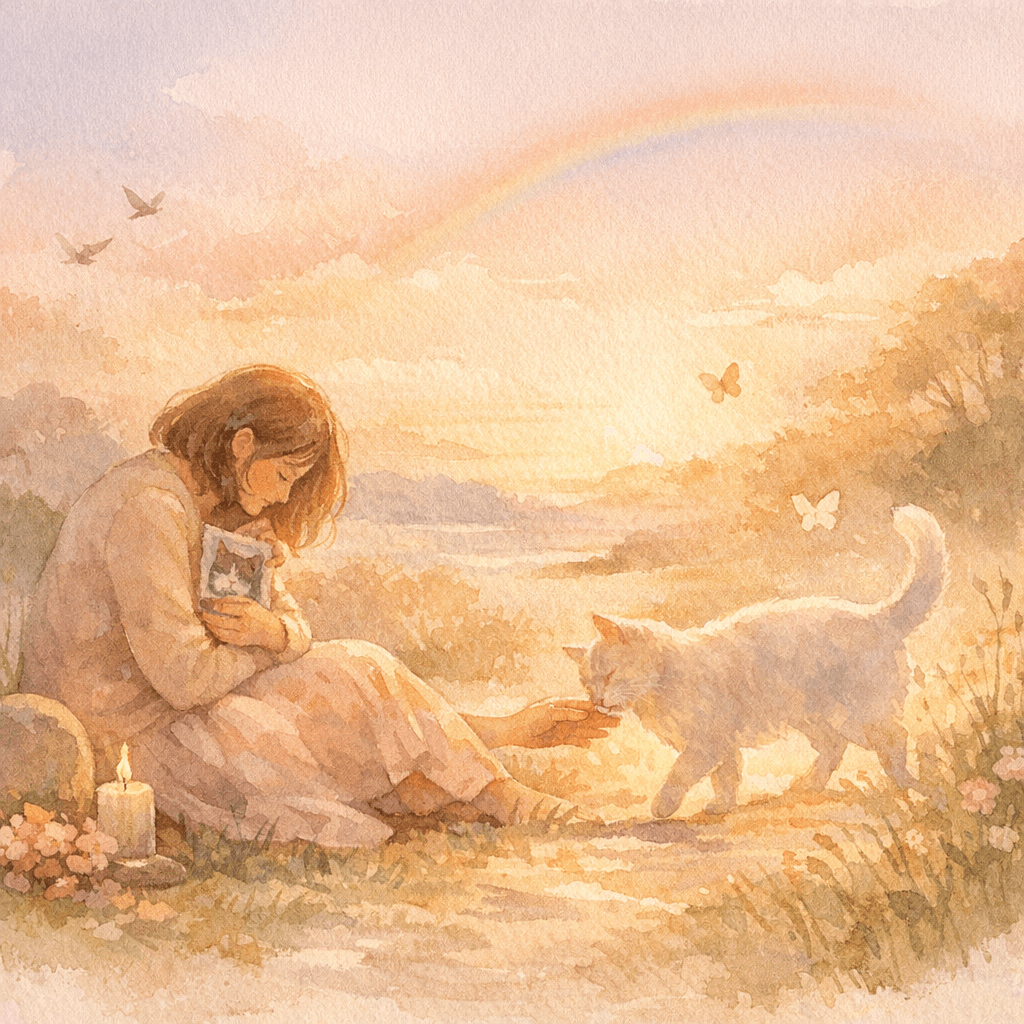
Planning how you'll remember your dog can provide something positive to focus on during this difficult time. Whether it's choosing a special urn, planning a memorial garden, or creating a photo album, having these plans in place can offer comfort in the days following your loss.
Some families find it helpful to discuss these arrangements with their veterinarian ahead of time, so everything is prepared and there are fewer decisions to make when emotions are running high after the dog euthanasia drug has been administered.
Aftercare and Cremation Services
Following your dog's peaceful passing with the dog euthanasia drug, you'll need to make arrangements for their final care. Pet Cremation UK provides compassionate dog cremation services with individual cremation, ensuring your beloved companion receives the dignity and respect they deserve.
Our services operate seven days a week, including bank holidays, so you never have to wait when facing this difficult time. We understand how important it is to have professional, caring support when you're grieving the loss of your faithful friend.
Individual cremation means your dog is cremated alone, and their ashes are returned to you. At Pet Cremation UK, dog cremation itself starts at £154 for small dogs and reaches £314 for extra-large breeds. Your personalised quote will show the full price.
Supporting Your Family Through Loss
The loss of a dog affects every member of the family differently. Children, in particular, may struggle to understand what has happened and need extra support to process their grief. The RSPCA offers excellent resources for helping families cope with pet loss and explaining death to children in age-appropriate ways.
Remember that grieving is a natural and necessary process. Allow yourself and your family time to mourn your dog's passing. Some people find comfort in memorial activities, while others prefer quiet reflection. There's no right or wrong way to grieve, and everyone's timeline is different.
Consider reaching out to pet bereavement support services if you're finding it particularly difficult to cope. Many organisations, including the PDSA, offer guidance and support for pet owners dealing with loss.
Memorial Options and Remembrance
Creating lasting memories of your dog can be an important part of the healing process. Many pet owners find comfort in having their dog's ashes returned to them, allowing for various memorial options after the dog euthanasia drug has provided a peaceful passing.
Popular memorial choices include:
- Special urns or keepsake boxes for your dog's ashes
- Memorial gardens where ashes can be scattered
- Photo albums or scrapbooks celebrating your dog's life
- Planting a tree or flowers in your dog's memory
- Commissioning artwork or custom memorial pieces
Some families choose to keep a portion of their dog's ashes in a special urn while scattering the rest in a meaningful location. This allows for both a permanent memorial at home and a connection to a place that held special significance for your dog.
When to Consider the Dog Euthanasia Drug Option
Making the decision about when to consider the dog euthanasia drug is never easy, but understanding your dog's quality of life can help guide this choice. Veterinarians often recommend considering factors such as appetite, mobility, response to treatment, and overall enjoyment of daily activities.
Signs that might indicate it's time to consider the dog euthanasia drug include:
- Chronic pain that cannot be managed effectively
- Loss of interest in food, water, or favourite activities
- Difficulty breathing or persistent respiratory distress
- Inability to move without significant pain
- Loss of bladder or bowel control causing distress
- Terminal illness with no possibility of improvement
Your veterinarian can help assess your dog's condition and discuss whether the dog euthanasia drug might be the most compassionate choice. They can explain the process and address any concerns you have about the medication.
Frequently Asked Questions
What drug is used to euthanise dogs?
The primary dog euthanasia drug is pentobarbital sodium, a fast-acting barbiturate. This medication causes immediate unconsciousness followed by peaceful death within minutes. It's the standard choice for veterinary euthanasia due to its reliability and humane effects.
Does the dog euthanasia drug injection hurt dogs?
The injection itself may cause a brief pinch similar to having blood drawn, but this is minimal and momentary. Once the dog euthanasia drug enters the bloodstream, dogs lose consciousness within 10-20 seconds and feel no pain or distress during the process.
How long does the dog euthanasia drug take to work?
The dog euthanasia drug works very quickly, with unconsciousness occurring within 10-30 seconds of injection. Complete cardiac and respiratory arrest typically happens within 1-3 minutes. The entire process is usually complete within 5 minutes at most.
Can I stay with my dog during dog euthanasia drug administration?
Yes, most veterinarians encourage owners to stay with their dogs during the dog euthanasia drug administration if they feel comfortable doing so. Your presence can provide comfort to your dog, and many owners find it meaningful to be there during their pet's final moments.
What happens to my dog's body after the dog euthanasia drug is given?
After the dog euthanasia drug has been administered, you can choose from several options including individual cremation or burial. Many families choose individual cremation through services like Pet Cremation UK to receive their dog's ashes back for memorialisation.
Are there any side effects from the dog euthanasia drug?
When administered properly by a veterinarian, the dog euthanasia drug has no negative side effects that cause suffering. Some dogs may have slight muscle twitches or gasping breaths after unconsciousness, but these are involuntary reflexes and don't indicate any awareness or pain.