Key Takeaways

- Pet vet euthanasia is a peaceful process that typically takes just a few minutes from injection to passing
- Your vet will explain the entire procedure beforehand and ensure your pet feels no pain or distress
- You can choose to stay with your pet throughout the process or step away if preferred
- At-home euthanasia services are available across the UK, allowing your pet to pass in familiar surroundings
- The euthanasia injection works quickly, with most pets losing consciousness within seconds
- You have several options for aftercare, including individual cremation with ashes returned
- Planning ahead helps ensure a dignified and peaceful farewell for your beloved companion
Making the decision for pet vet euthanasia is one of the most difficult choices any pet owner faces. When your beloved companion is suffering and quality of life has diminished, choosing a peaceful goodbye becomes an act of profound love and mercy. Understanding how the euthanasia process works can help ease your anxiety during this heartbreaking time.
This comprehensive guide explains everything you need to know about pet vet euthanasia in the UK, from the medical procedure itself to aftercare options and emotional support. Whether you're considering this difficult decision or want to be prepared for the future, we'll walk you through each step with compassion and clarity.
Understanding Pet Vet Euthanasia: What Every Owner Should Know
Pet vet euthanasia, sometimes called "putting your pet to sleep," is a veterinary procedure designed to end your pet's life peacefully and painlessly when they're suffering from illness, injury, or severe quality of life decline. The word "euthanasia" comes from Greek, meaning "good death," reflecting the procedure's purpose of providing a gentle, dignified end to suffering.
What makes pet vet euthanasia different from other medical procedures is its focus on compassion and dignity. Veterinarians who perform pet vet euthanasia receive specific training to ensure the process is as peaceful as possible for both pets and their families. This medical intervention prevents further pain and distress while allowing your pet to pass surrounded by love.
Vets recommend pet vet euthanasia when a pet's suffering cannot be adequately managed, when treatment options have been exhausted, or when the burden of medical care outweighs any remaining quality of life. This decision requires careful consideration of your pet's physical condition, behaviour, and overall wellbeing.
The Dogs Trust provides excellent guidance on recognising when quality of life may be declining, helping owners make informed decisions about their pet's care.
How Pet Vet Euthanasia Works: The Complete Process
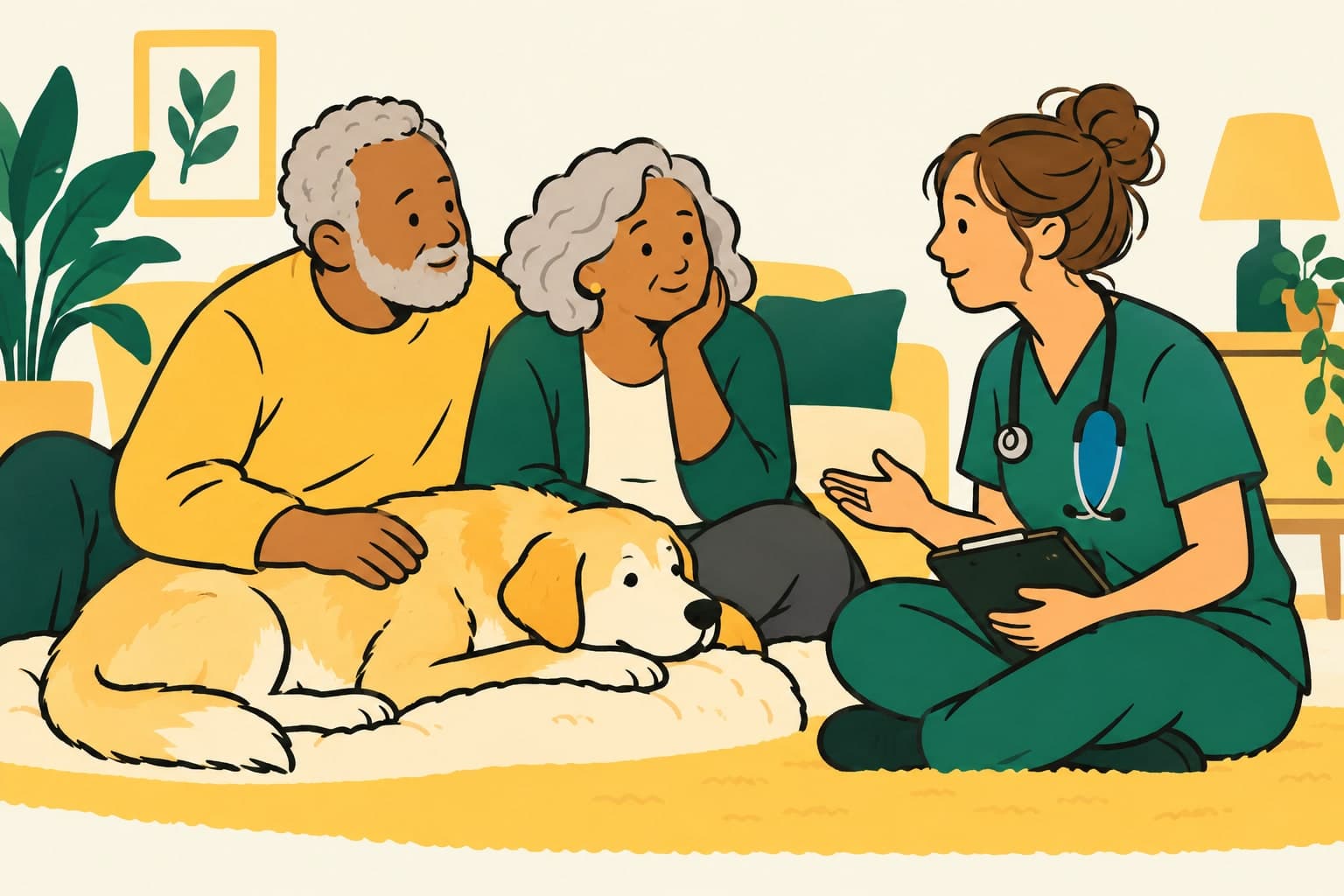
Understanding how pet vet euthanasia works can help alleviate fears about the procedure. The process begins with your vet explaining what will happen and answering any questions you might have. They'll also discuss aftercare options, so you can make these decisions when you're calmer rather than immediately after your pet has passed.
Your vet will typically recommend withholding food for a few hours before the pet vet euthanasia appointment to prevent any stomach upset, though this isn't always necessary. Some owners choose to give their pet a favourite treat or meal as a final gesture of love.
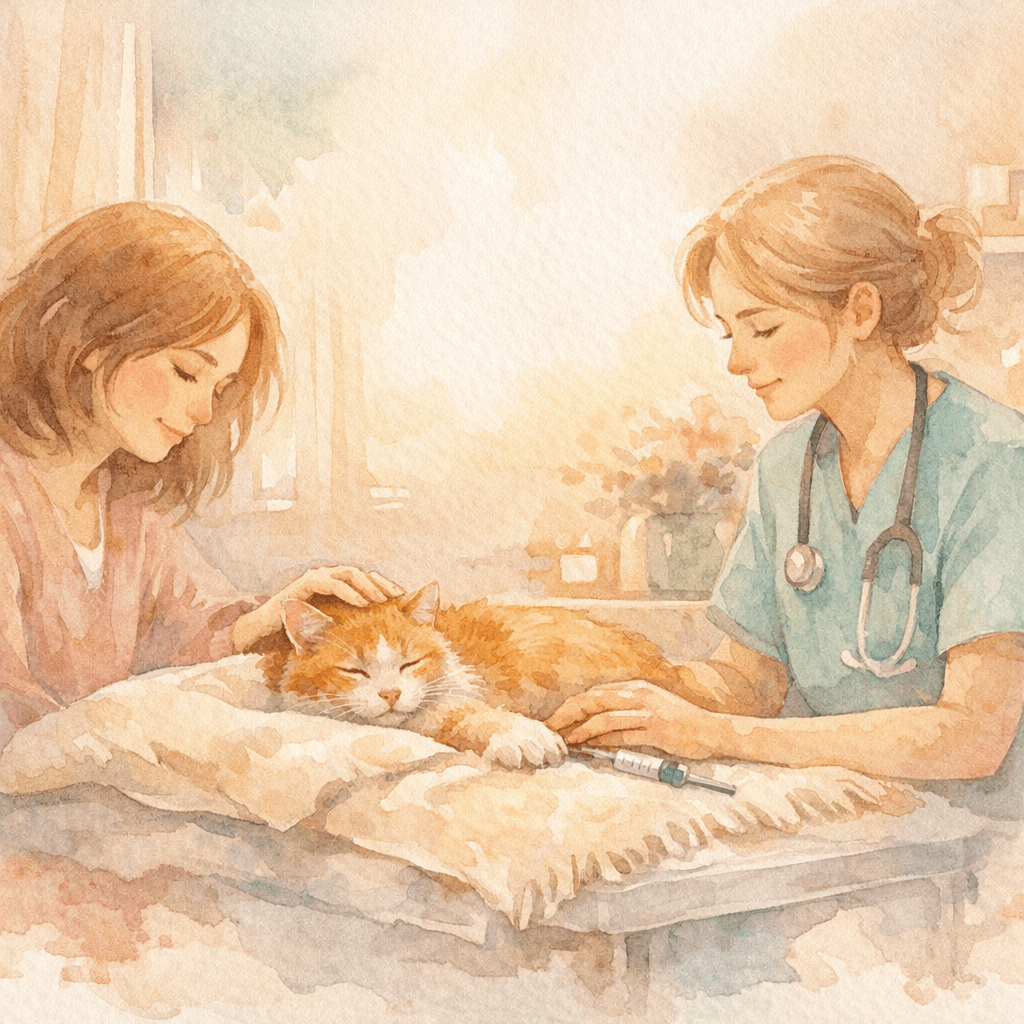
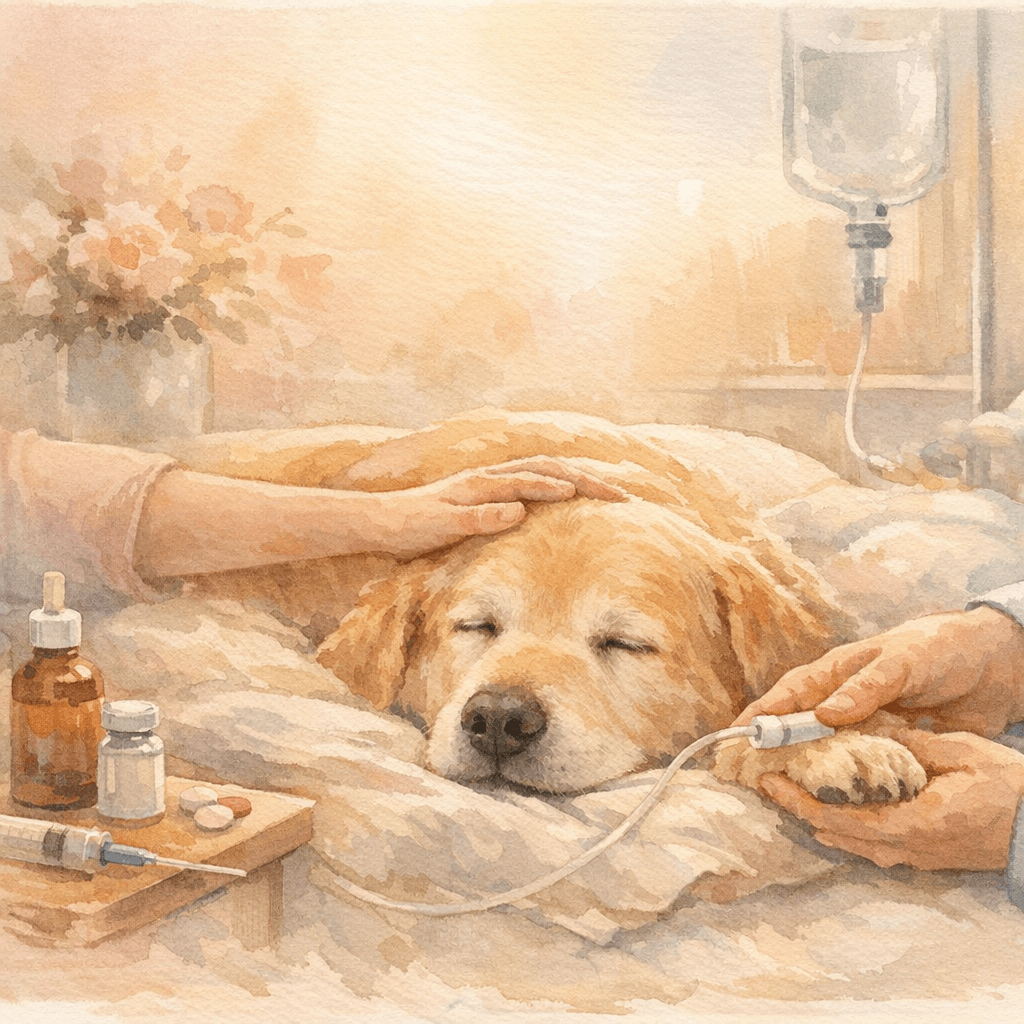
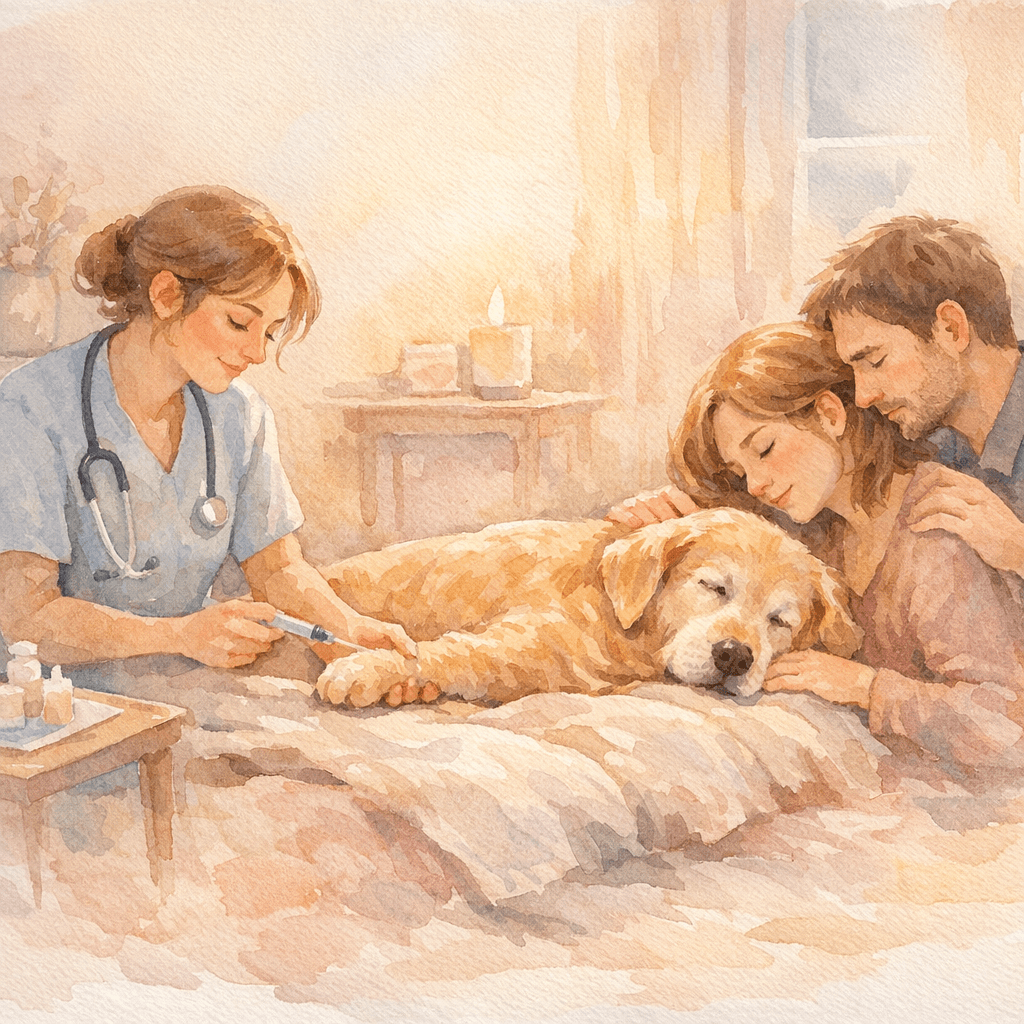
The pet vet euthanasia process involves administering a concentrated solution of barbiturate (usually pentobarbital) directly into a vein, typically in the front leg. This injection works by depressing the central nervous system, causing your pet to lose consciousness almost immediately before their heart stops beating.
Before the injection, your vet may administer a mild sedative to help anxious pets relax, though this isn't always required. The injection site might be shaved to locate the vein more easily, and your vet will explain each step as they proceed.
Most pets lose consciousness within 10-20 seconds of the pet vet euthanasia injection, and their heart typically stops within 1-2 minutes. The entire process is remarkably peaceful, with no signs of distress or discomfort.
Choosing the Right Vet for Pet Euthanasia Services
Your choice of vet for pet vet euthanasia plays a crucial role in ensuring the process is as peaceful and dignified as possible. Experienced veterinarians who regularly perform pet vet euthanasia understand the emotional weight of this decision and approach each case with exceptional compassion and professionalism.
Before the procedure, your vet will discuss your pet's condition, explain the pet vet euthanasia process in detail, and address any concerns you might have. They'll also help you decide whether you want to be present during the procedure or prefer to say goodbye beforehand.
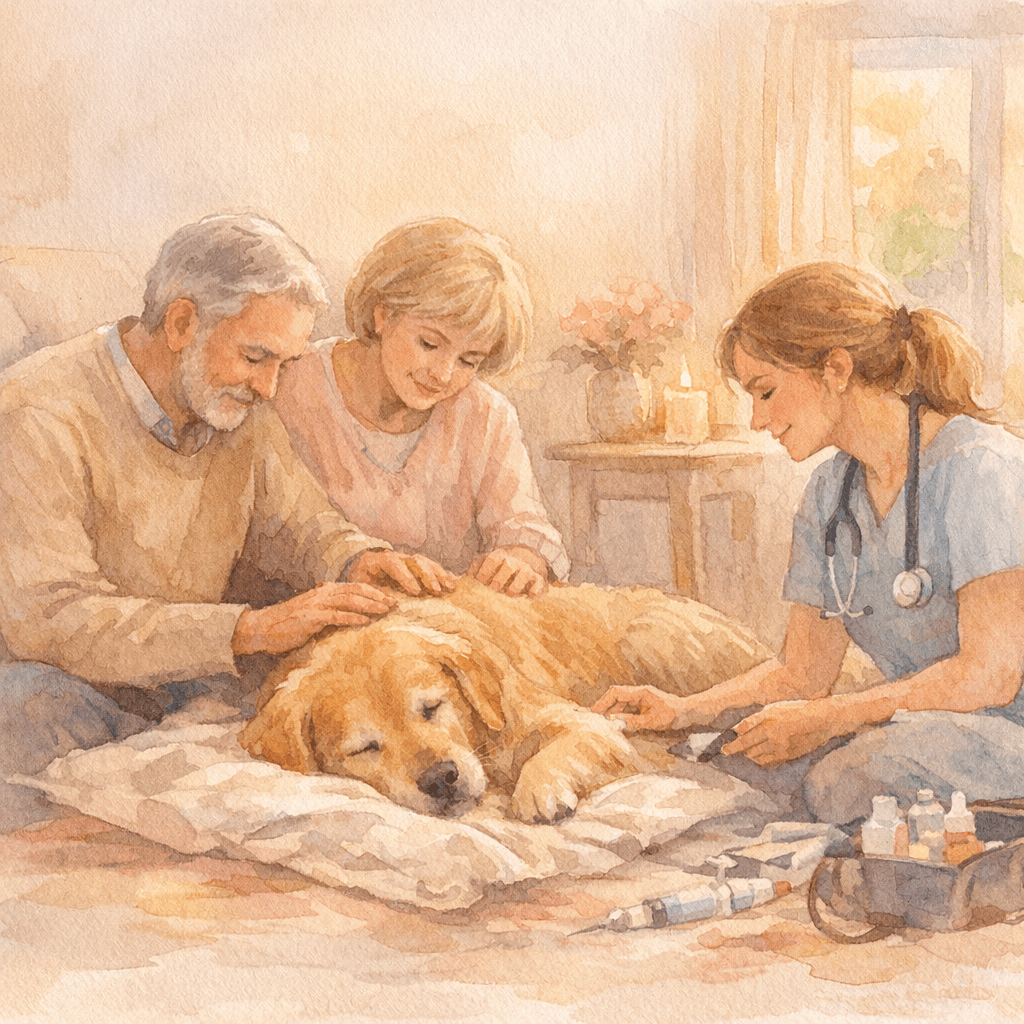
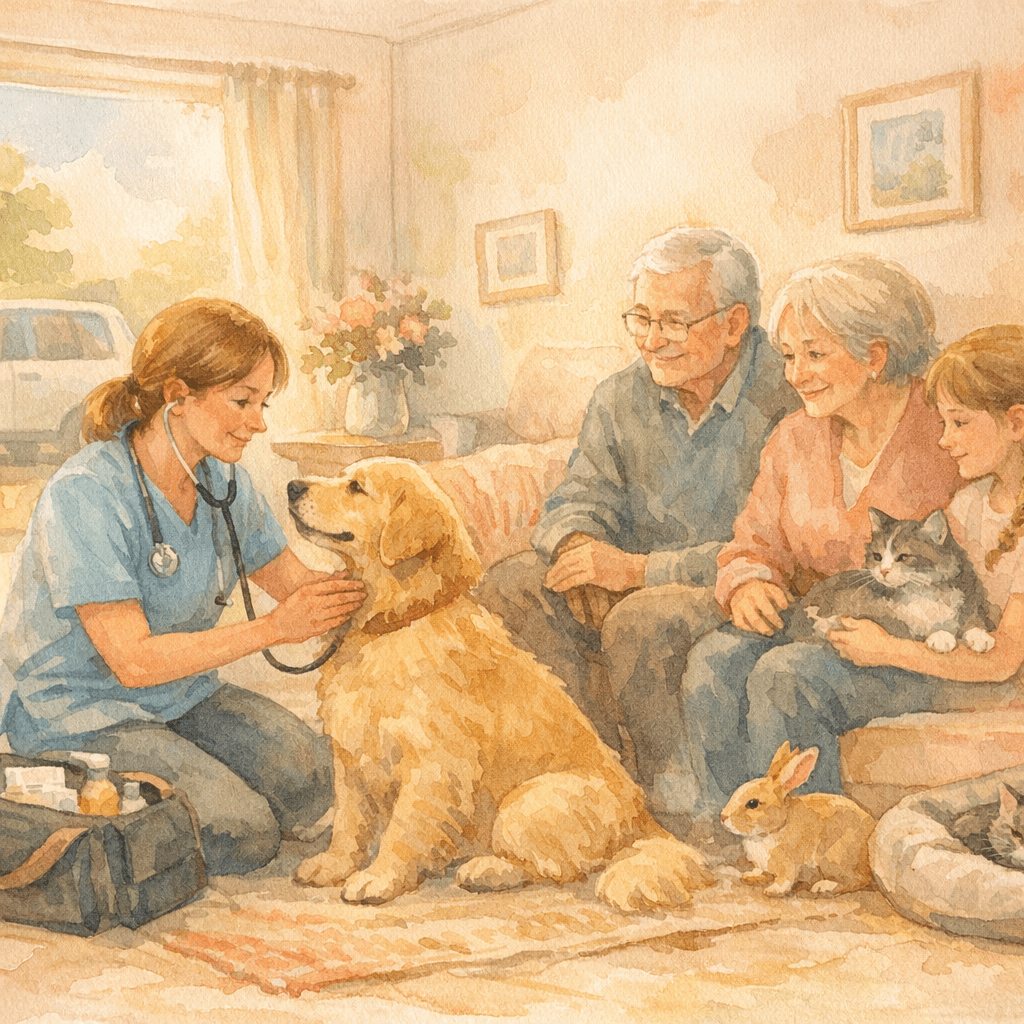
Many vets offer flexibility in timing and location for pet vet euthanasia. Some provide at-home pet euthanasia services, allowing your pet to pass in familiar surroundings without the stress of travelling to a clinic. This option is particularly beneficial for anxious pets or those with mobility issues.
Your vet will also guide you through aftercare decisions, explaining options like individual cremation, communal cremation, or burial. Having these conversations beforehand means you won't need to make difficult decisions while grieving immediately after your pet's passing.
Timing and Duration of Pet Vet Euthanasia
One common concern is how long pet vet euthanasia takes from start to finish. The actual injection and passing typically happen very quickly, but the overall appointment may last 30-60 minutes depending on your needs and preferences.
Here's a typical timeline for pet vet euthanasia:
- Initial consultation and preparation: 10-20 minutes
- Saying goodbye and positioning: 5-10 minutes
- The injection itself: 1-2 minutes
- Confirmation of passing: 2-3 minutes
- Time for final goodbyes: As long as you need
The pet vet euthanasia injection works extremely quickly. Most pets become unconscious within 10-20 seconds and pass peacefully within 1-2 minutes. There's no struggle or distress - it simply looks like your pet is falling into a deep sleep.
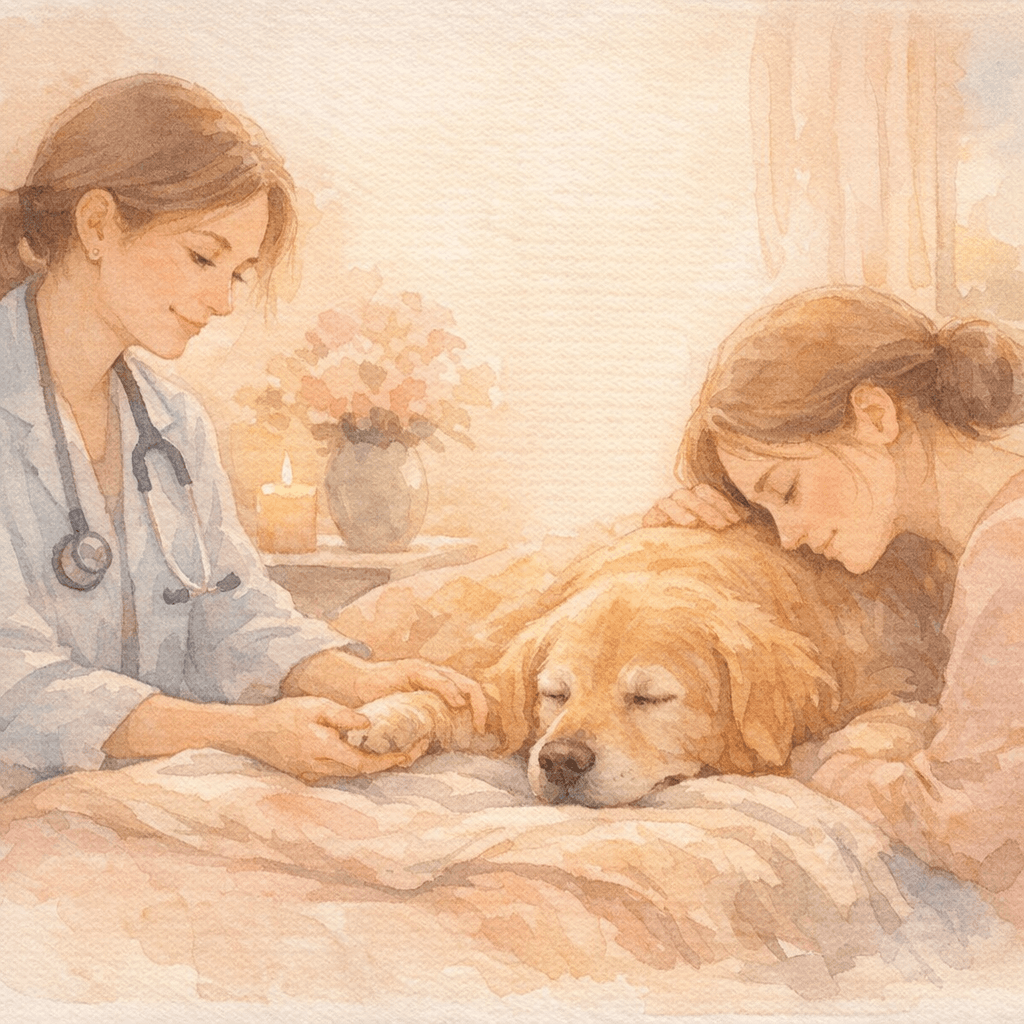
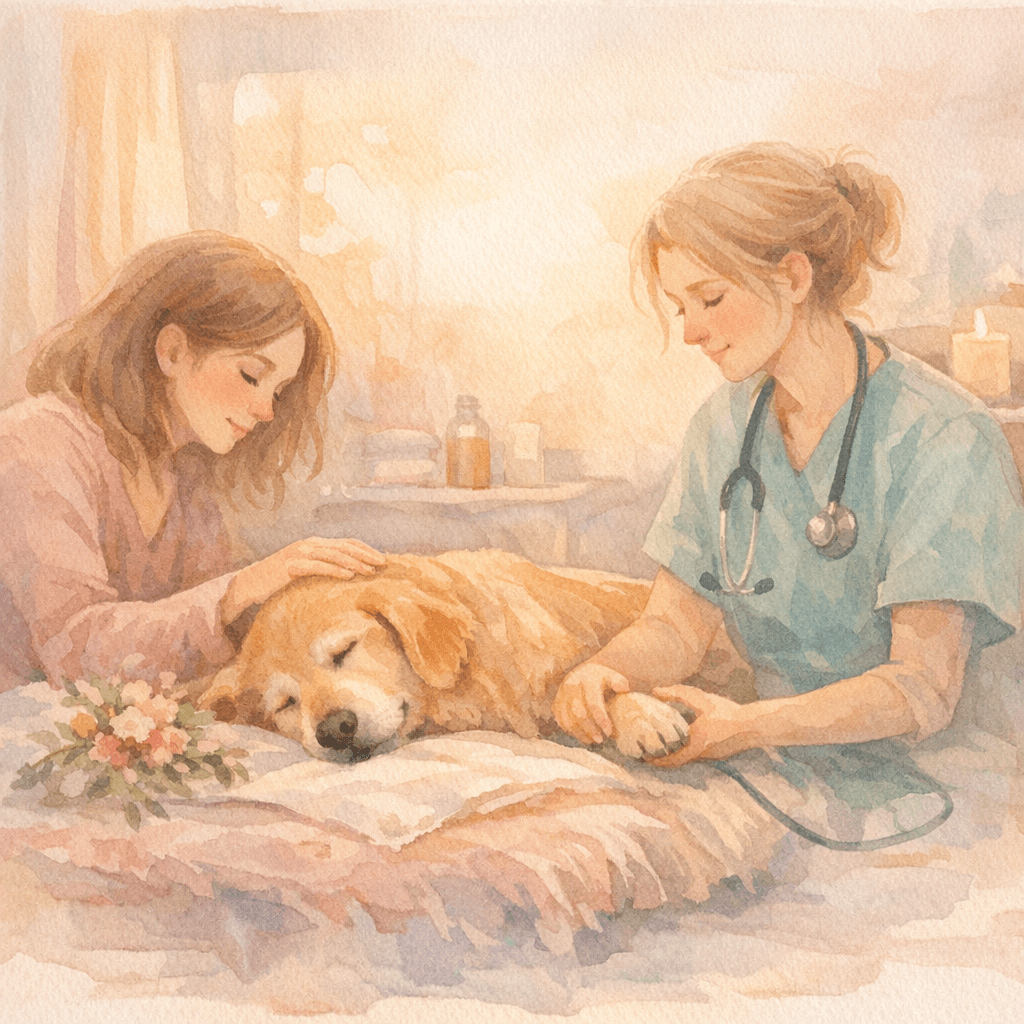
After your pet has passed, your vet will use a stethoscope to confirm their heart has stopped. You can take as much time as you need for final goodbyes and to process what has happened.
What to Expect During Pet Vet Euthanasia
The experience of pet vet euthanasia can vary depending on your preferences and your pet's specific needs. Understanding what to expect helps you feel more prepared during this emotional time.
Many owners worry about their pet's final moments during pet vet euthanasia. Rest assured that the process is designed to be as peaceful as possible. Your pet won't experience pain, fear, or distress. The injection simply causes them to lose consciousness, similar to falling asleep under general anaesthesia.
Some pets may experience minor muscle twitches or reflexive movements after passing, which can be distressing to witness but are completely normal and indicate no consciousness or awareness. Your vet performing the pet vet euthanasia will explain these possibilities beforehand so you know what might occur.
They'll also respect your wishes about being present or absent during different parts of the pet vet euthanasia process.
Choosing Between Clinic and At-Home Pet Vet Euthanasia
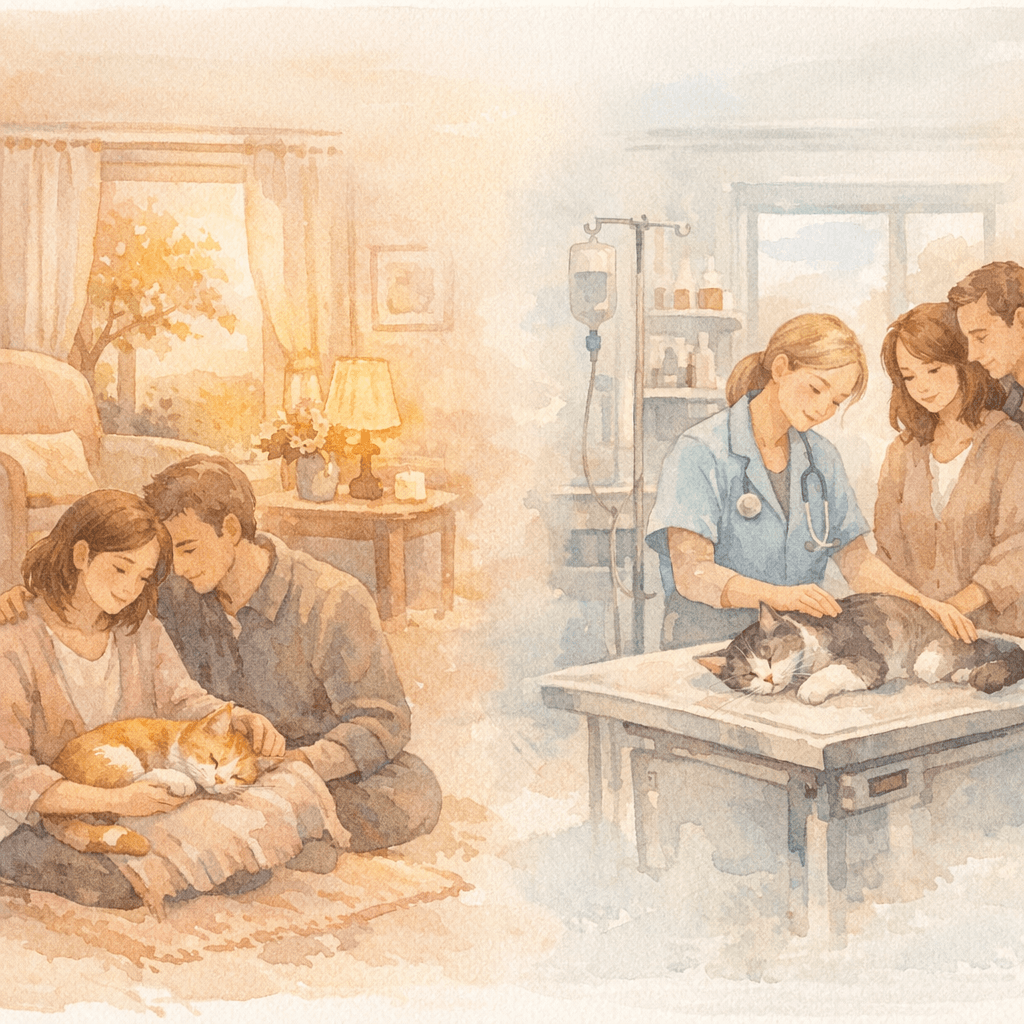
You have two main options for where the pet vet euthanasia takes place: at your veterinary clinic or in your own home. Both approaches have benefits, and the choice depends on your pet's temperament, your preferences, and practical considerations.
Clinic-based pet vet euthanasia provides a controlled medical environment with all necessary equipment readily available. This option works well for pets comfortable with vet visits or when immediate aftercare arrangements are preferred.
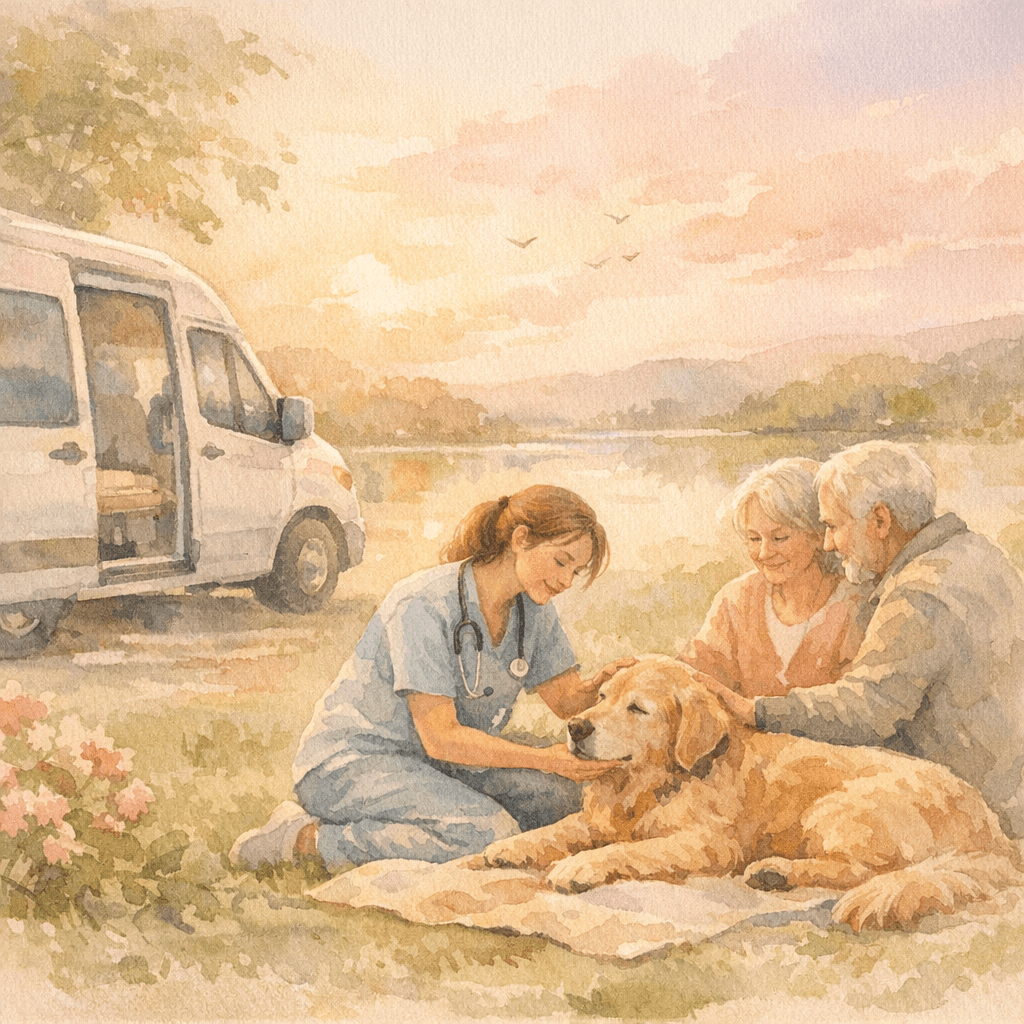
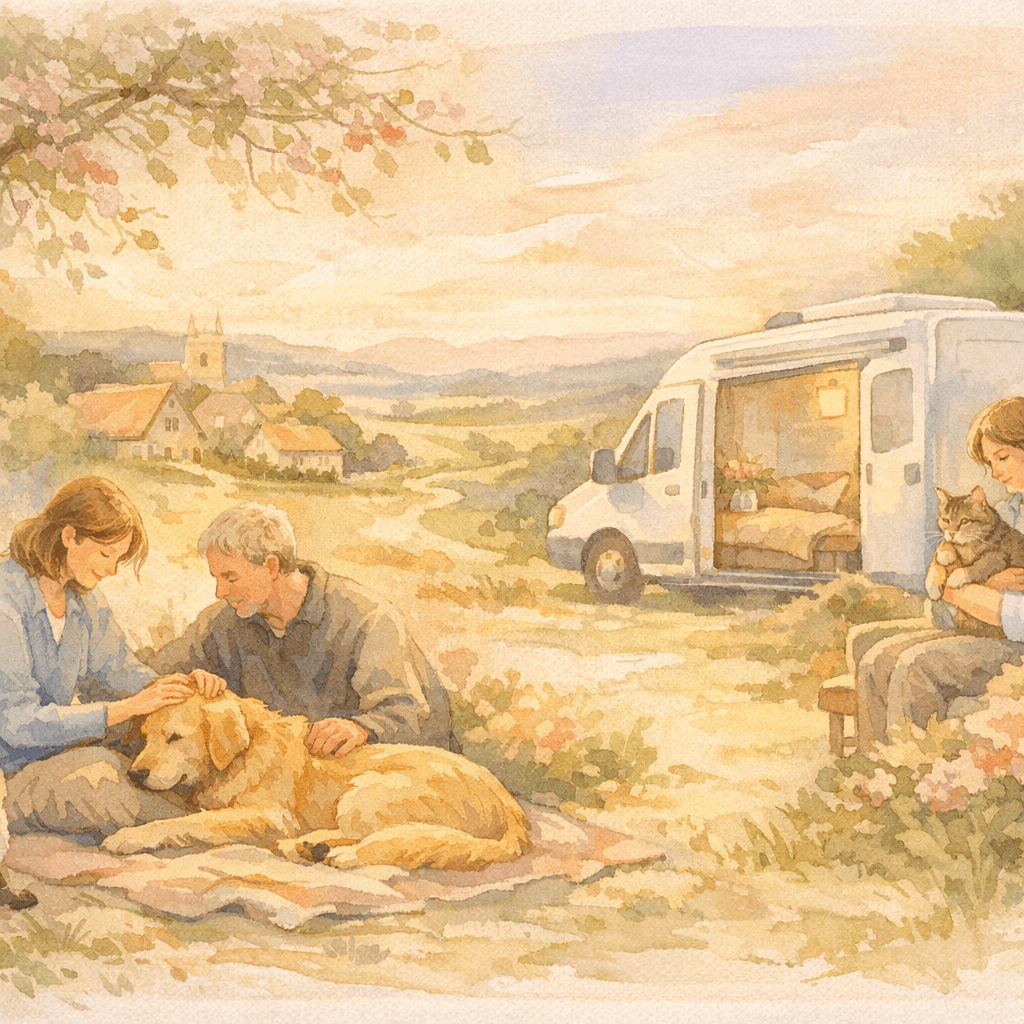
At-home pet vet euthanasia allows your pet to remain in familiar surroundings, reducing stress and anxiety. This option is particularly beneficial for pets who dislike car journeys or become anxious at the vet's office. Many mobile vets across the UK provide this service, bringing everything needed for pet vet euthanasia directly to your home.
At-home pet vet euthanasia services are available in most areas, including major cities like London, Manchester, Birmingham, and many smaller towns. Mobile vet services can provide both euthanasia and arrange immediate collection for cremation, making the entire process more seamless during your time of grief.
Preparing for Your Pet Vet Euthanasia Appointment
Preparation helps ensure everything goes smoothly and allows you to focus on being with your pet during their final moments. Here are important steps to consider for pet vet euthanasia:
Before the pet vet euthanasia appointment:
- Discuss the process thoroughly with your vet
- Decide on aftercare arrangements (cremation or burial)
- Consider who will be present during the procedure
- Prepare your pet's favourite blanket or toy
- Take photos or create paw print impressions if desired
On the day of pet vet euthanasia:
- Withhold food if recommended by your vet
- Spend quality time with your pet
- Keep the atmosphere calm and peaceful
- Gather family members who want to say goodbye
- Have tissues and emotional support available
Practical considerations:
- Arrange time off work for yourself and family
- Consider childcare if young children won't be present
- Prepare for transportation if going to a clinic
- Have contact details for aftercare services ready
Aftercare Options Following Pet Vet Euthanasia
After your pet passes, you'll need to make decisions about their remains. Having these conversations with your vet beforehand means you won't need to navigate these choices while actively grieving following pet vet euthanasia.
Individual cremation ensures your pet is cremated alone and their ashes are returned to you. Cremation prices starting from £124 for cats at Pet Cremation UK. For dogs, cremation prices starting from £154. Your personalised quote will show the full price.
Pet burial in your garden is legal in the UK, provided you own the land and follow certain guidelines. Your pet must be buried at least two feet deep and away from water sources.
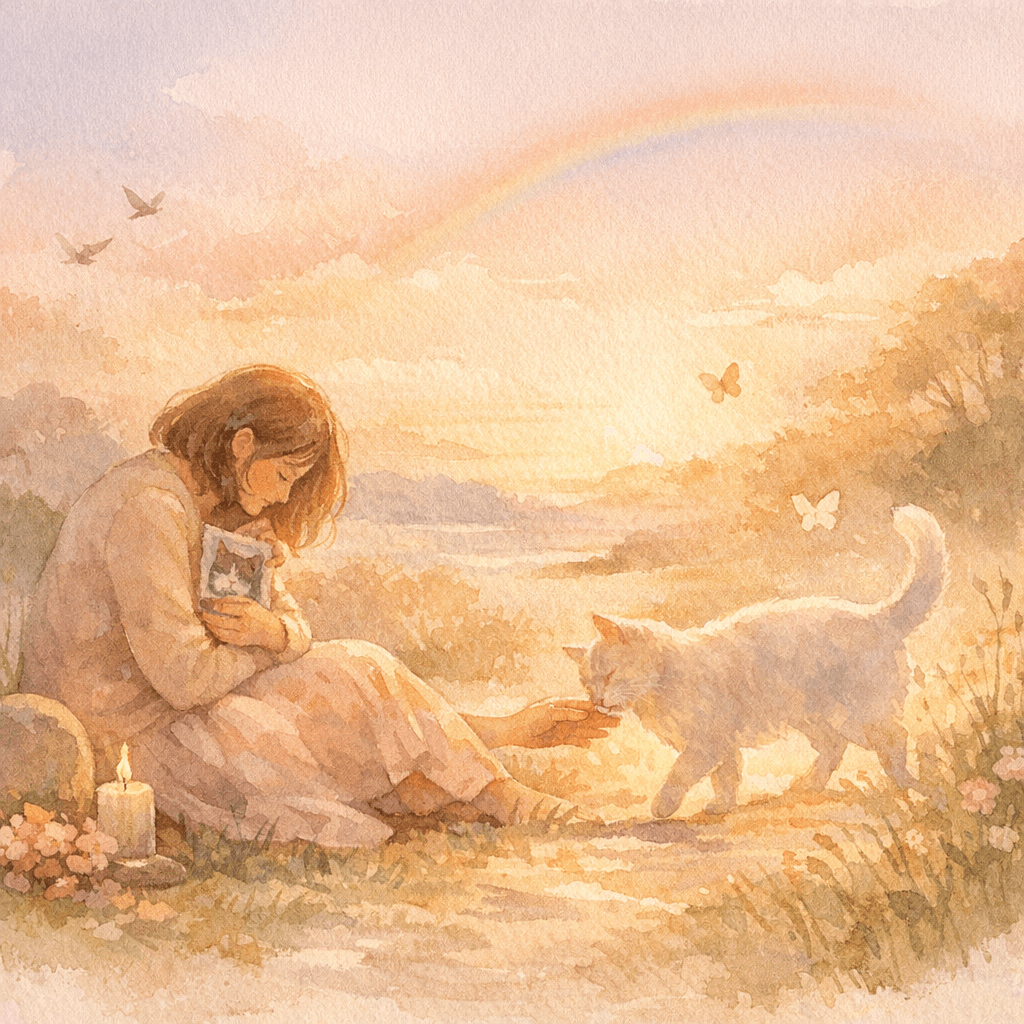
Memorial options include various urns, memorial plaques, jewellery containing ashes, or plantable memorial stones. These help preserve your pet's memory and provide comfort during the grieving process following pet vet euthanasia.
For dog cremation services, cat cremation services, or smaller pets like rabbits, individual cremation ensures your beloved companion receives dignified, respectful treatment throughout the process.
Supporting Other Pets After Pet Vet Euthanasia
If you have multiple pets, consider how the loss might affect surviving companions after pet vet euthanasia. Pets can experience grief and may show changes in behaviour, appetite, or activity levels following the loss of a household member.
Some pets benefit from being present during pet vet euthanasia, as it can provide closure and reduce confusion about their companion's disappearance. However, this depends on the individual animals and circumstances involved.
Monitor remaining pets closely for signs of grief or stress, including changes in eating habits, withdrawal from normal activities, or increased vocalisation. Most pets adjust over time, but some may benefit from extra attention, modified routines, or even consultation with your vet.
Introducing new pets too quickly after pet vet euthanasia isn't recommended. Allow time for grieving and ensure any surviving pets have adjusted before considering additions to your family.
Cost Considerations for Pet Vet Euthanasia
Understanding the costs involved in pet vet euthanasia helps you plan ahead and reduces stress during an already difficult time. Pet vet euthanasia costs vary depending on location, timing, and additional services required.
Standard pet vet euthanasia at a clinic typically costs around £100-£200, depending on your pet's size and local pricing. Emergency or out-of-hours services may cost more.
At-home pet vet euthanasia generally costs £290-£330 for the service alone, with many pet owners finding the additional expense worthwhile for the comfort and reduced stress it provides.
Combined pet vet euthanasia and cremation packages offer convenience during a difficult time. Request a personalised quote for the euthanasia service, collection of your pet, individual cremation and return of ashes.
Payment for pet vet euthanasia is usually required on the day of service, though many vets accept various payment methods including card payments. Some practices offer payment plans for expensive end-of-life care.
Legal and Ethical Considerations for Pet Vet Euthanasia
Pet vet euthanasia is legal throughout the UK when performed by qualified veterinarians using approved methods. The procedure must be carried out humanely with appropriate drugs and techniques.
Your vet has a professional obligation to ensure pet vet euthanasia is necessary and in your pet's best interests. They may decline to perform the procedure if they believe your pet's condition could be effectively treated or if the request seems premature.
You have the right to seek a second opinion if your vet's assessment differs from your own judgment about your pet's quality of life. Open communication about your concerns and observations helps ensure the best decision for your pet regarding pet vet euthanasia.
Documentation requirements include proper record-keeping by the veterinary practice and appropriate disposal of your pet's remains according to UK regulations following pet vet euthanasia.
Coping with Grief After Pet Vet Euthanasia
Losing a beloved pet through pet vet euthanasia is genuinely heartbreaking, and grief following the procedure is a normal, healthy response to loss. Many pet owners experience guilt after pet vet euthanasia, questioning whether they made the right decision or acted too soon.
These feelings are completely normal and usually diminish over time as you process your loss. Remember that choosing pet vet euthanasia when your pet is suffering is an act of love, preventing further pain and distress.
Support resources after pet vet euthanasia include:
- Veterinary grief counselling services
- Pet loss support groups (online and in-person)
- The Blue Cross pet bereavement support service
- Professional counsellors specialising in pet loss
- Friends and family who understand the human-animal bond
Self-care strategies include allowing yourself to grieve, maintaining normal routines where possible, creating memorial rituals, and seeking support when needed. There's no "correct" timeline for grief following pet vet euthanasia, and everyone processes loss differently.
Regional Availability of Pet Vet Euthanasia Services
Pet vet euthanasia and cremation services are available throughout the UK, with mobile vets serving both urban and rural areas. Larger cities typically have more service options and competitive pricing for pet vet euthanasia, while rural areas may have longer travel distances but often more personalised service.
Pet vet euthanasia services are available across major cities including London, Manchester, Birmingham, and smaller towns like Bath, Chester, and Gloucester.
Most mobile vet services providing pet vet euthanasia operate 7 days a week, including bank holidays, ensuring support is available when needed most. Emergency services may cost more, particularly during weekends and holidays.
Rural considerations include potentially longer travel times for mobile vets providing pet vet euthanasia and fewer aftercare facilities nearby. However, many cremation services offer collection from rural areas at no additional charge.
Making the Decision: Quality of Life Assessment
Deciding when the time is right for pet vet euthanasia is deeply personal and depends on your individual pet's circumstances. Quality of life assessments help evaluate whether your pet is still enjoying life or primarily experiencing suffering that would warrant pet vet euthanasia.
Key factors to consider before pet vet euthanasia:
- Pain levels and response to pain management
- Mobility and ability to perform normal activities
- Appetite and interest in food and treats
- Social interaction and response to family members
- Bathroom habits and personal hygiene
- Sleep patterns and restfulness
- Overall demeanour and engagement with environment
The RSPCA provides helpful guidance on assessing pet quality of life and making end-of-life decisions with your veterinary team regarding pet vet euthanasia.
Honest conversations with your vet about your pet's condition, prognosis, and treatment options help inform this difficult decision about pet vet euthanasia. Trust your instincts about your pet's wellbeing - you know them better than anyone.
Frequently Asked Questions
Will my pet feel any pain during pet vet euthanasia?
No, your pet will not feel pain during the pet vet euthanasia process. The injection works by causing immediate unconsciousness, similar to falling into a deep sleep under general anaesthesia. Most pets lose consciousness within 10-20 seconds and pass peacefully within 1-2 minutes without any awareness or distress.
Can I stay with my pet during pet vet euthanasia?
Yes, most vets encourage owners to stay with their pets during pet vet euthanasia if they feel comfortable doing so. Your presence can provide comfort to your pet during their final moments. However, if you prefer to say goodbye beforehand and step away during the injection, that's completely understandable and acceptable.
What happens if the pet vet euthanasia injection doesn't work properly?
Modern euthanasia drugs used in pet vet euthanasia are highly effective when administered correctly by qualified veterinarians. In the extremely rare event of complications, your vet has backup procedures and additional medication available to ensure your pet passes peacefully. This is why pet vet euthanasia should only be performed by licensed professionals.
How quickly should I make arrangements after pet vet euthanasia?
There's no immediate rush after your pet has passed following pet vet euthanasia. You can take time for final goodbyes before making arrangements. If using cremation services, your pet can typically be collected within 24-48 hours, and refrigeration facilities are available if longer delays are necessary.
Is it better to have pet vet euthanasia at home or at the clinic?
Both options can provide a peaceful goodbye for pet vet euthanasia, and the choice depends on your pet's temperament and your preferences. At-home pet vet euthanasia reduces stress for anxious pets and allows them to remain in familiar surroundings, while clinic-based procedures provide a controlled medical environment with all equipment readily available.
What should I tell my children about pet vet euthanasia?
Age-appropriate honesty helps children understand and process pet loss following pet vet euthanasia. Explain that the vet will help your pet stop hurting and go to sleep peacefully. Avoid euphemisms that might confuse young children, and allow them to ask questions and express their feelings. Consider whether they want to be present or prefer to say goodbye beforehand.