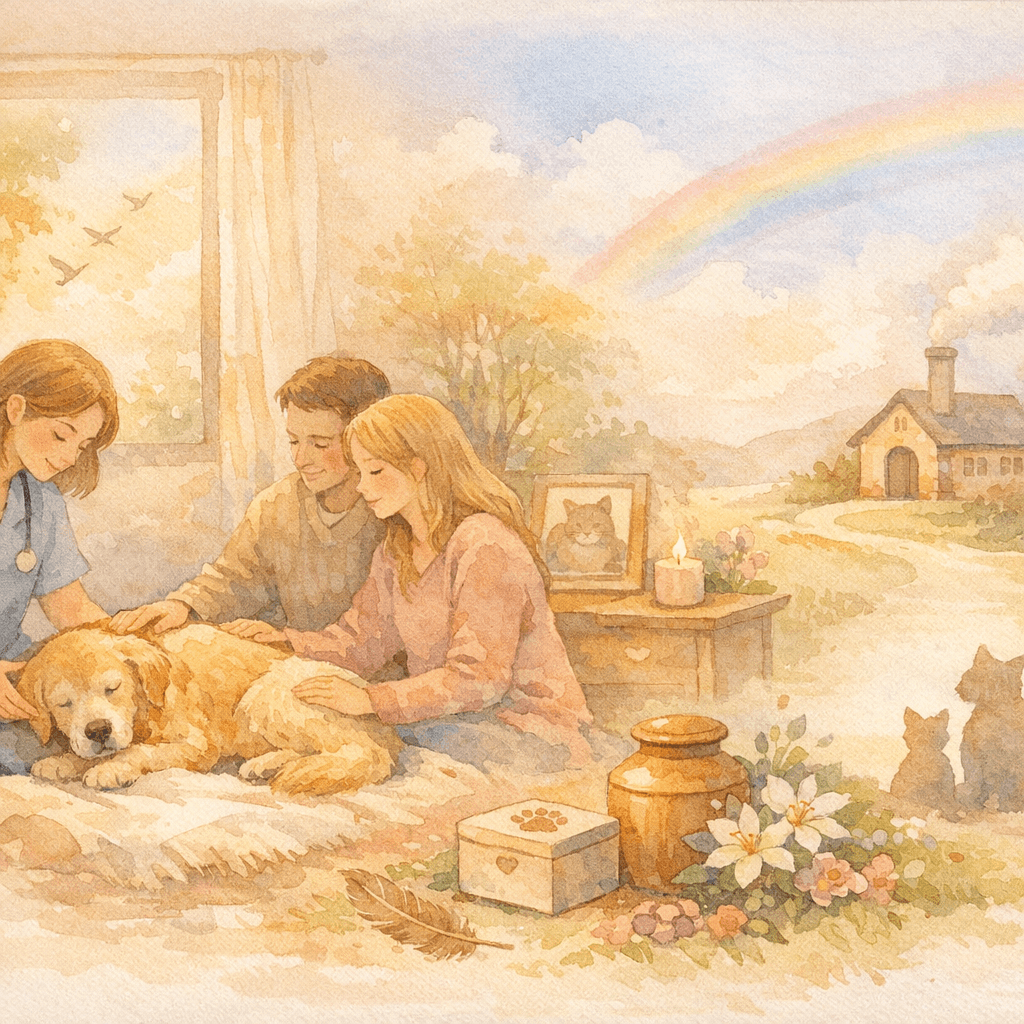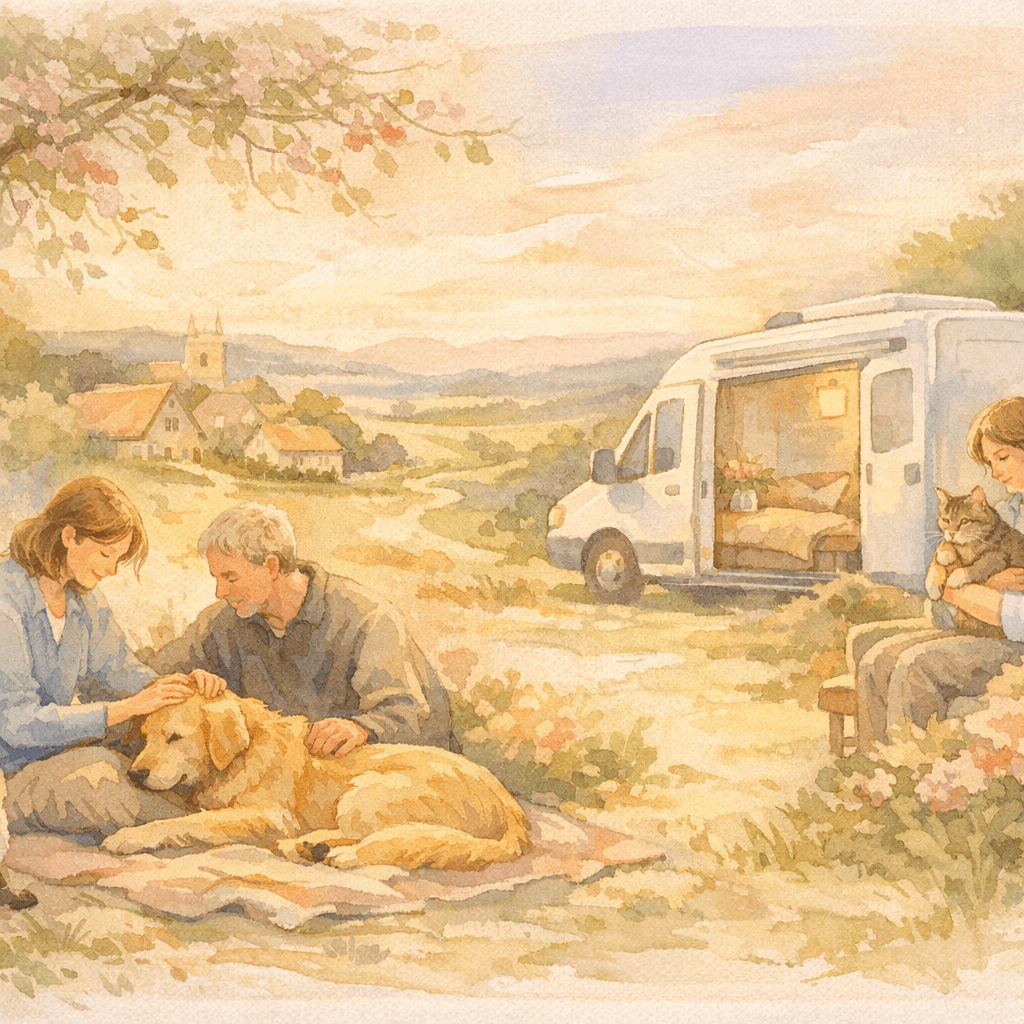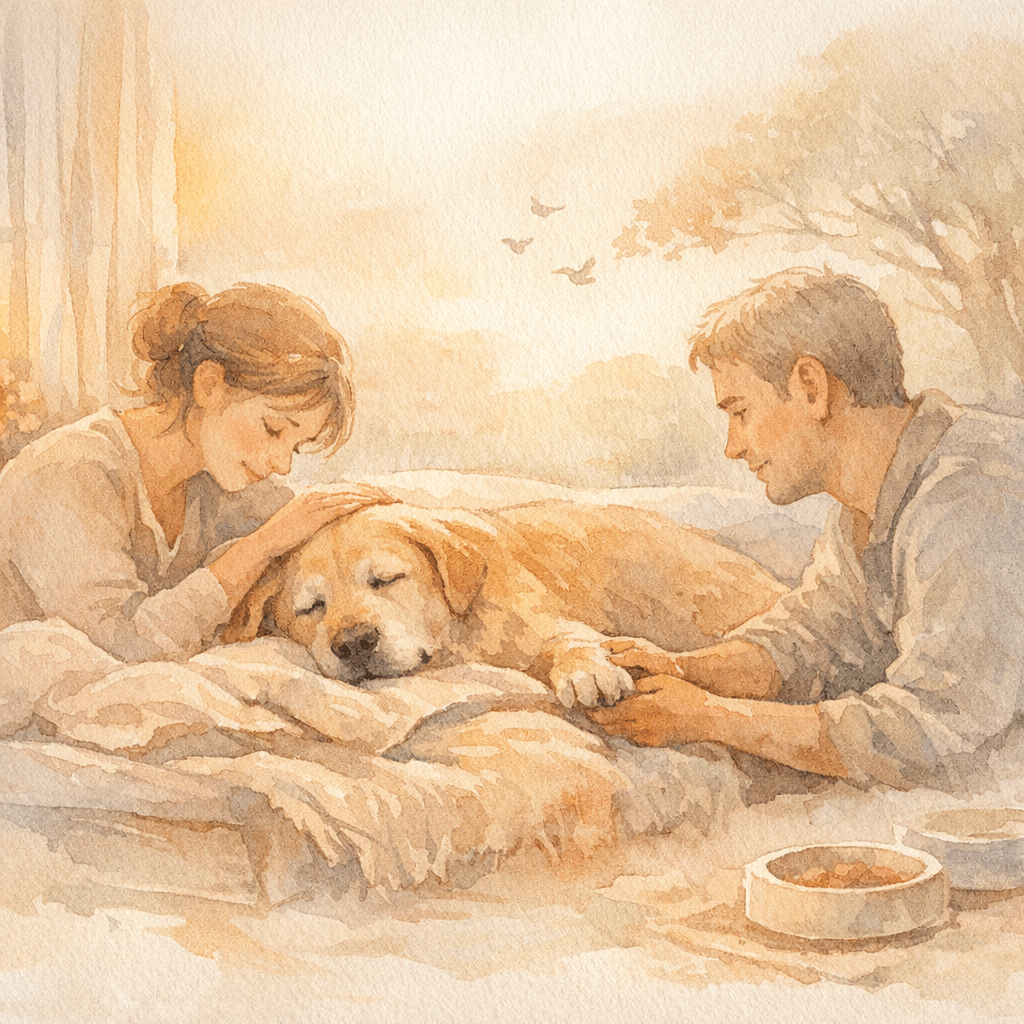
Key Takeaways

- Pet euthanasia Manchester services are available 7 days a week including bank holidays, with at-home options providing comfort in familiar surroundings
- Request a personalised quote for at-home euthanasia, with individual cremation available as aftercare
- Mobile veterinary services operate across Manchester, London, and Glasgow, ensuring compassionate end-of-life care when you need it most
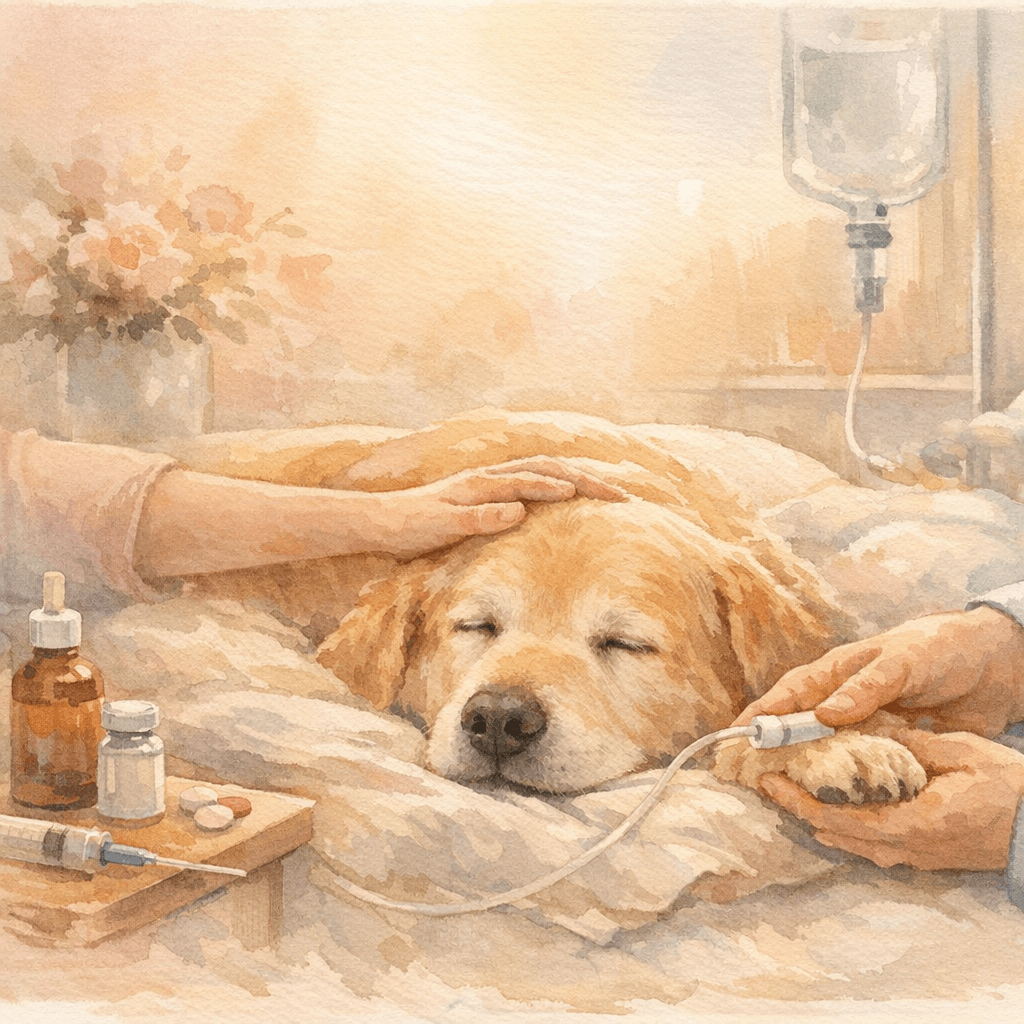
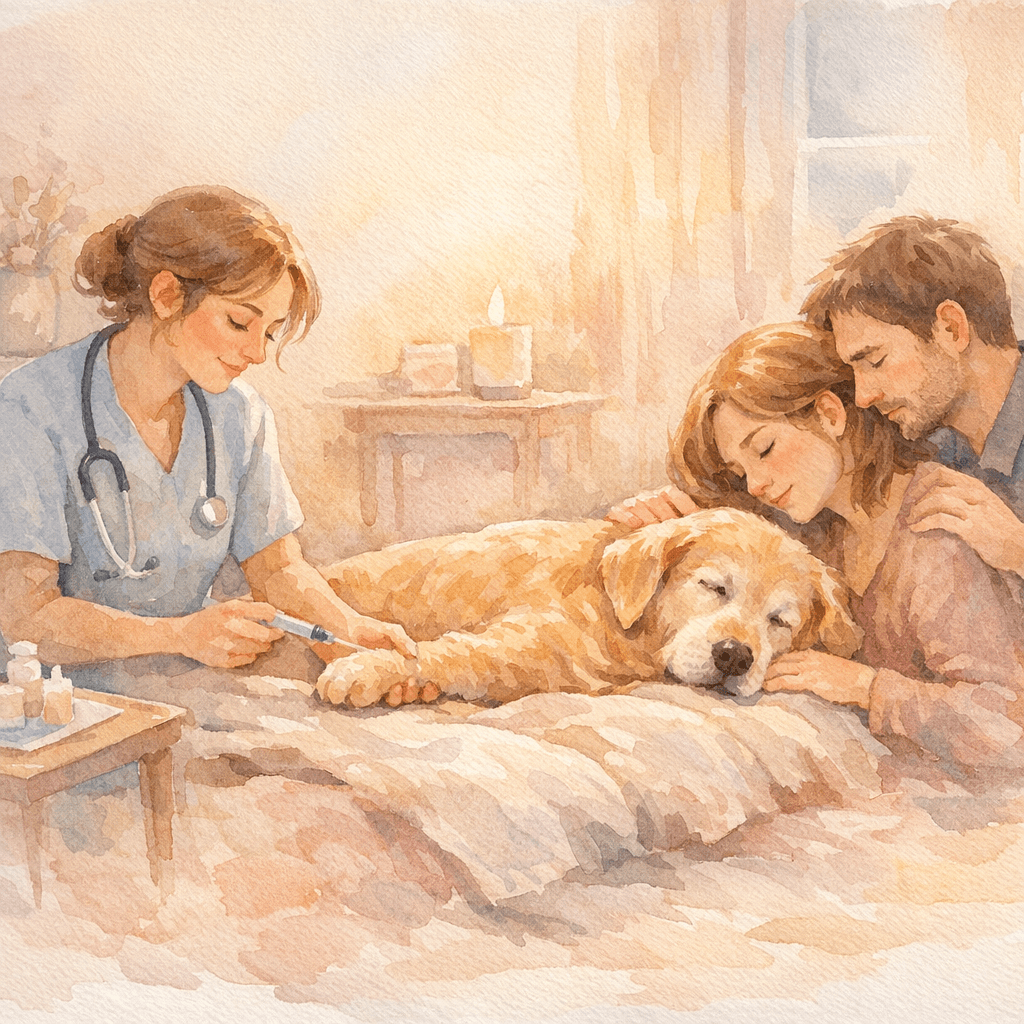
- The euthanasia process involves a gentle sedative followed by a peaceful injection, typically taking just minutes in your pet's familiar environment
- Individual cremation means your pet is cremated alone; cremation prices starting from £94 for small pets, with a personalised quote for your arrangements
- Professional support includes guidance on timing, aftercare options, and grief counselling resources to help families through this difficult decision
- All reputable services provide transparent pricing, qualified veterinary professionals, and compassionate care tailored to your pet's specific needs
When facing the heartbreaking decision about your beloved companion's end-of-life care, finding compassionate pet euthanasia Manchester services, or anywhere across the UK, becomes a priority. The thought of saying goodbye is never easy, but having access to gentle, professional pet euthanasia Manchester providers can provide comfort during this difficult time.
Modern pet euthanasia Manchester services have evolved to prioritise your pet's comfort and dignity while supporting families through one of life's most challenging moments. Whether you're seeking dog euthanasia in London or exploring pet euthanasia Manchester options closer to home, understanding what's available in your area helps you make the best decision for your cherished companion.
Understanding Pet Euthanasia Manchester and UK-Wide Services
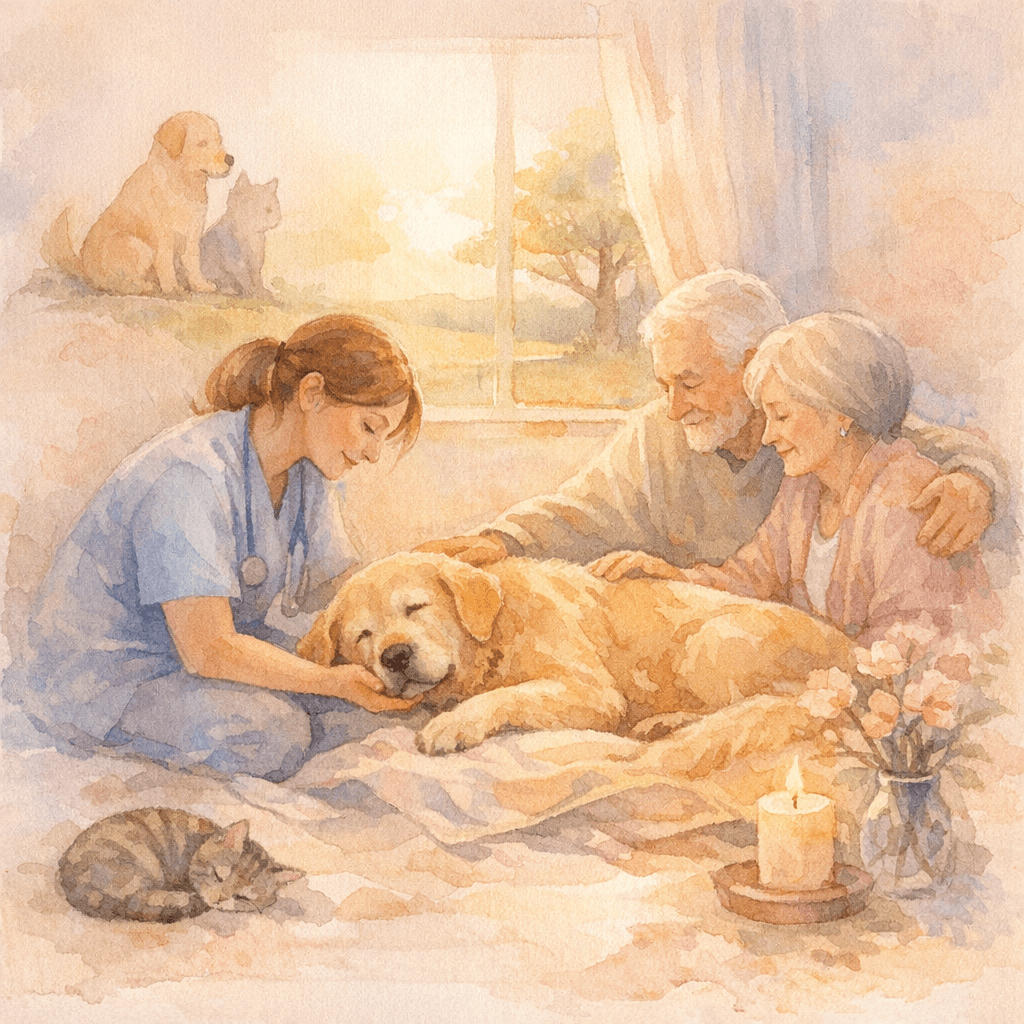
Pet euthanasia, also known as putting a pet to sleep, is a compassionate medical procedure designed to end suffering when a pet's quality of life has significantly declined. Across the UK, from bustling cities with pet euthanasia Manchester services to smaller communities, professional veterinary services ensure this final act of kindness is performed with the utmost care and respect.
The procedure itself involves administering a carefully calculated dose of barbiturate, typically pentobarbital, which causes the pet to fall into a deep sleep before their heart gently stops. This process is painless and peaceful, taking just seconds to minutes depending on your pet's size and condition.
At-Home vs Clinic-Based Services
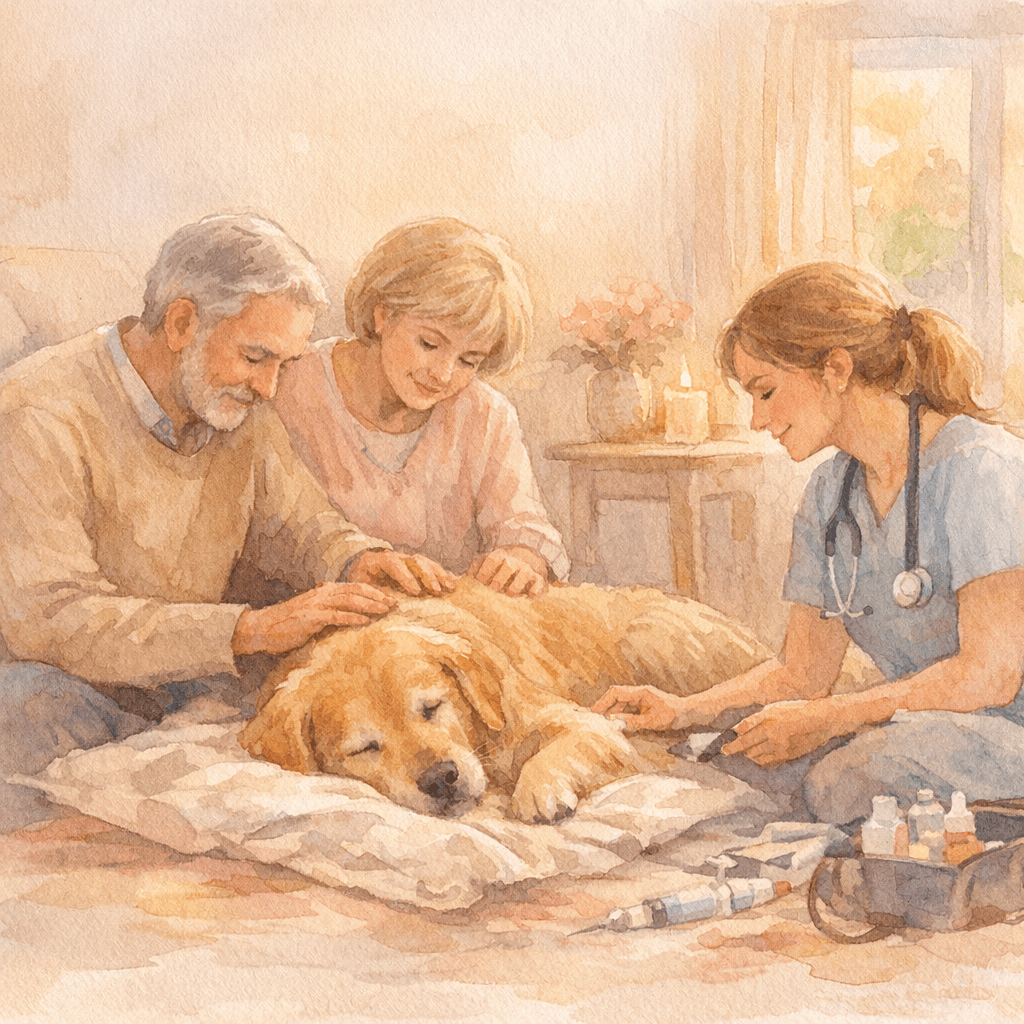
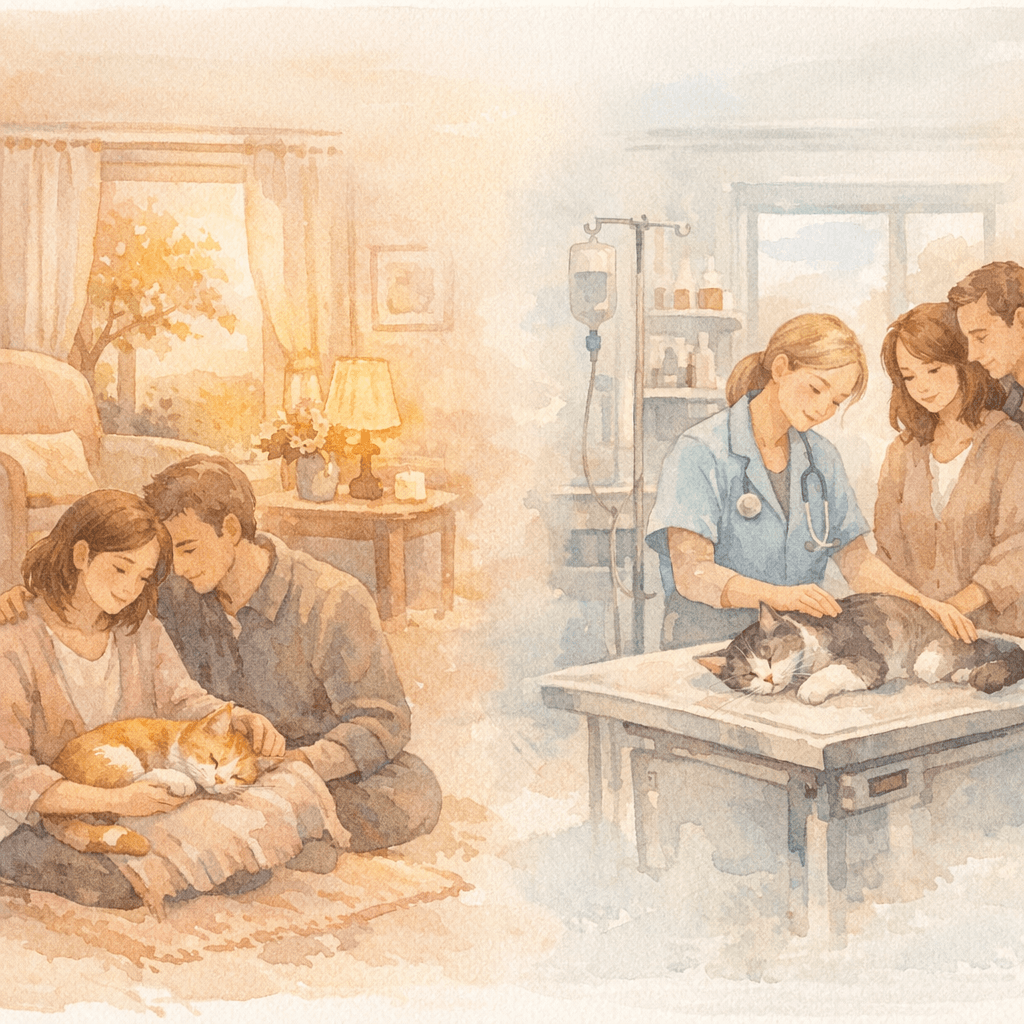
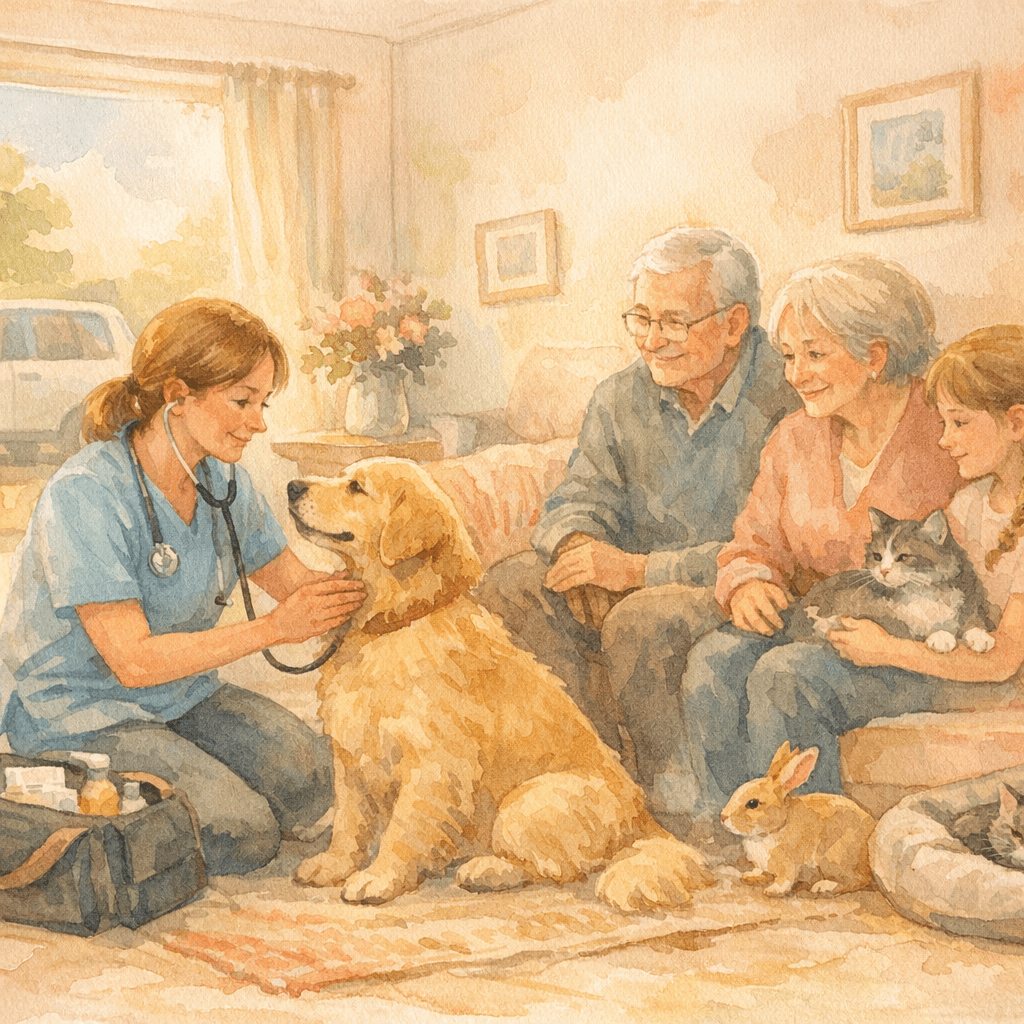
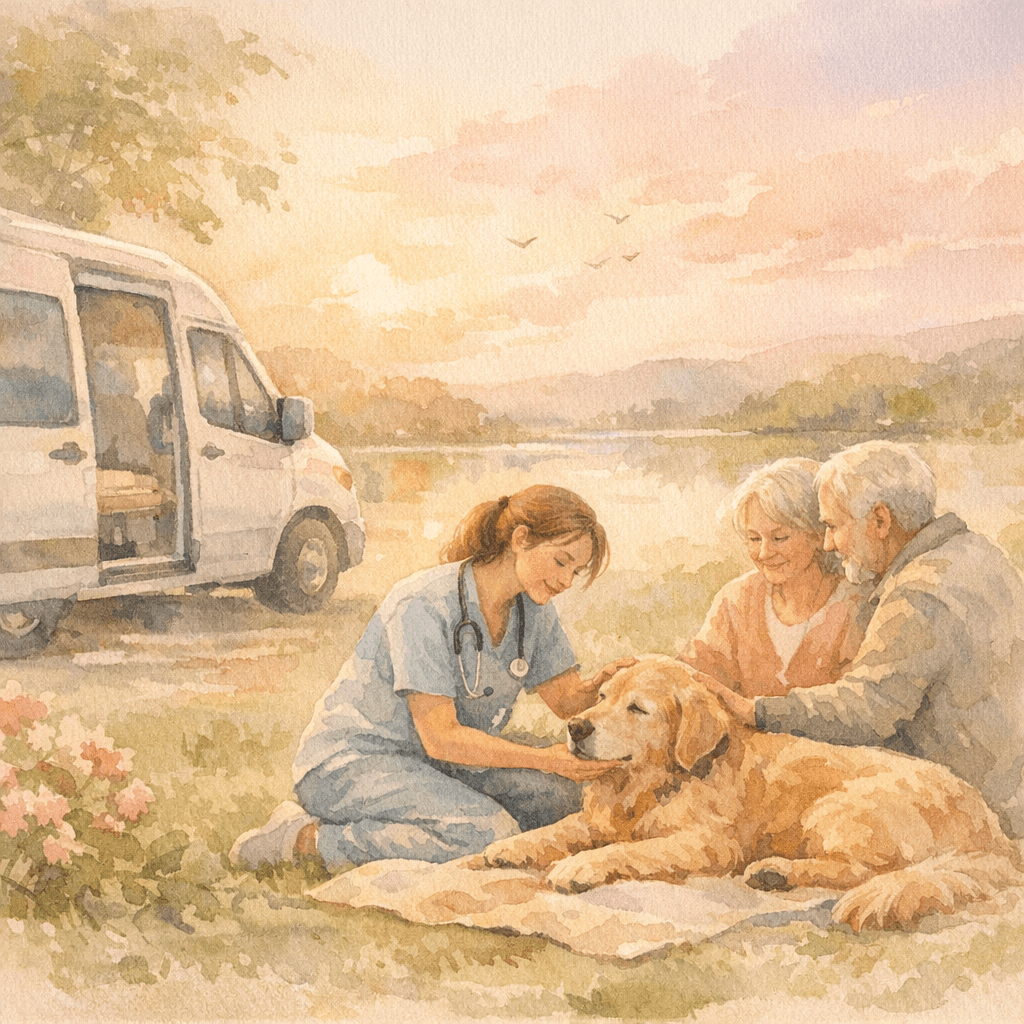
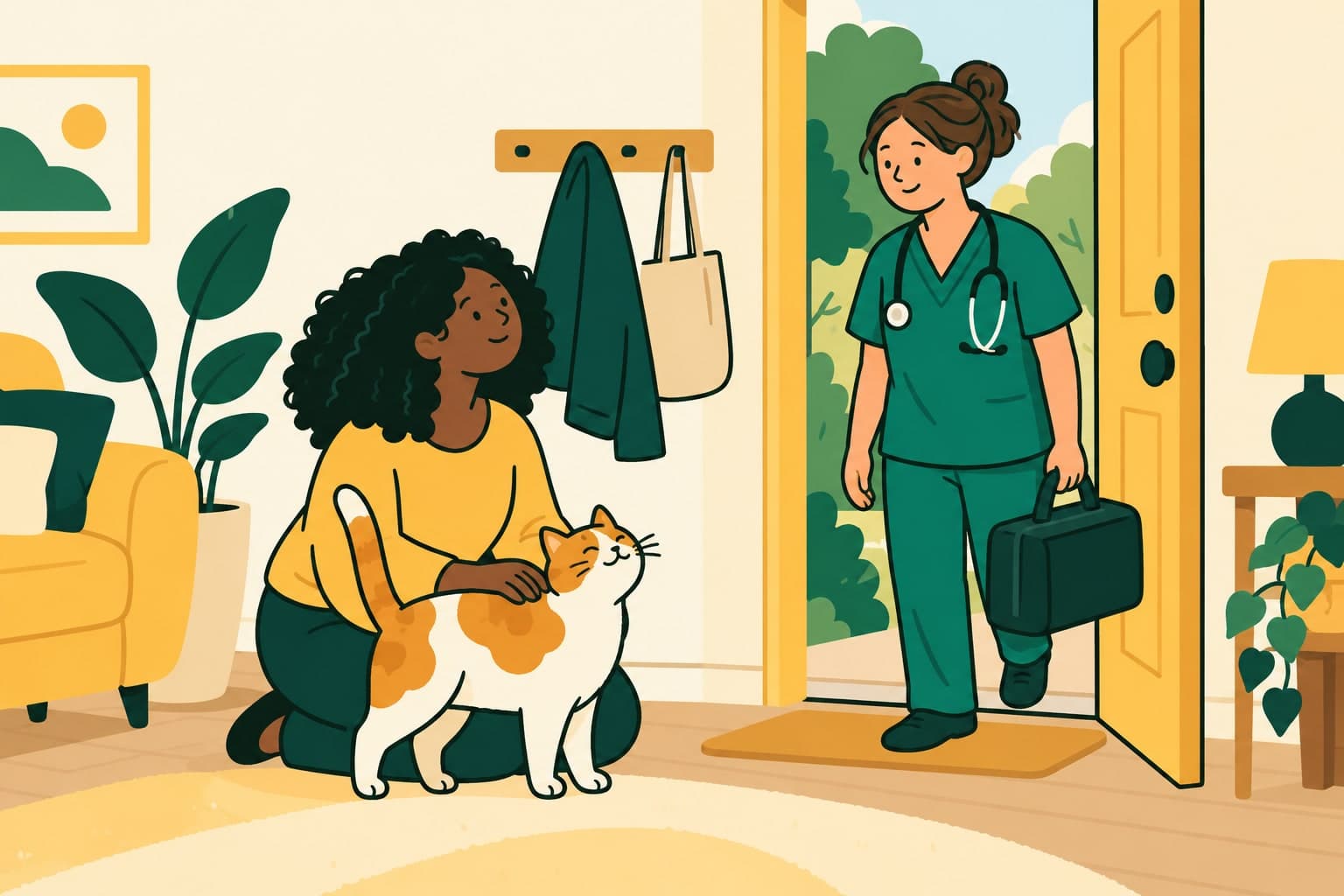
Many pet owners now choose at-home euthanasia services, which bring qualified veterinary professionals to your familiar environment. This option eliminates the stress of a final car journey and allows your pet to remain in their favourite spot, surrounded by family members and familiar scents.
For those considering at-home pet euthanasia, the benefits extend beyond comfort. Your pet avoids the anxiety of unfamiliar surroundings, and you have the privacy to grieve without time pressures or other patients waiting.
Clinic-based services remain an important option, particularly if you have an existing relationship with a local veterinary practice or require emergency end-of-life care. Many practices across major UK cities offer extended hours and compassionate facilities designed specifically for these sensitive moments.
Pet Euthanasia Manchester: Regional Coverage and Access
Pet Euthanasia Manchester Services
Manchester and the Greater Manchester area have excellent coverage for both mobile and clinic-based euthanasia services. The city's well-developed veterinary infrastructure means qualified professionals are typically available within short notice periods, even on weekends and bank holidays.
Local pet euthanasia Manchester services often extend to surrounding areas including Salford, Stockport, and Bolton, ensuring comprehensive coverage across the metropolitan region. Many providers offer 24-hour support lines to discuss your concerns and arrange appointments during this difficult time.
Pet euthanasia Manchester providers understand the diverse needs of urban pet owners, from apartment dwellers in the city centre to families in suburban areas. This local knowledge ensures services are tailored to your specific circumstances and location requirements.
Dog Euthanasia in London
The capital's extensive veterinary network provides numerous options for families seeking compassionate end-of-life care. From central London boroughs to outer areas, qualified mobile veterinarians can typically reach your location within a few hours of your call.
London's dog euthanasia services include both emergency and planned appointments, with many providers offering multilingual support to serve the city's diverse population. The availability of specialist veterinary hospitals also means complex cases can be managed with additional expertise when needed.
Dog Euthanasia in Glasgow
Scotland's largest city offers comprehensive coverage through both NHS veterinary services and private practitioners. The city's compact geography means mobile services can efficiently serve urban areas, while surrounding regions benefit from extended coverage networks.
Glasgow's veterinary community is known for its collaborative approach, ensuring families receive consistent advice and support regardless of which professional they contact first. This network approach provides reassurance during emotionally challenging decisions.
The Process: What to Expect
Initial Consultation
Most reputable services begin with a thorough consultation, either by phone or in person. During this discussion, the veterinarian will review your pet's medical history, current condition, and quality of life indicators to ensure euthanasia is the most compassionate option.
This consultation provides an opportunity to discuss your concerns, ask questions about the process, and understand what will happen during and after the procedure. Many families find this preparatory conversation helps them feel more confident about their decision.
Pre-Procedure Preparation
On the day of the appointment, the veterinarian will explain each step of the process and answer any final questions. For cat cremation services or dog cremation services, they'll also discuss aftercare options and help you decide what feels right for your family.
Many veterinarians offer a mild sedative before the main procedure, particularly for anxious pets or those who may be difficult to handle. This ensures your companion remains calm and comfortable throughout the process.
The Euthanasia Procedure
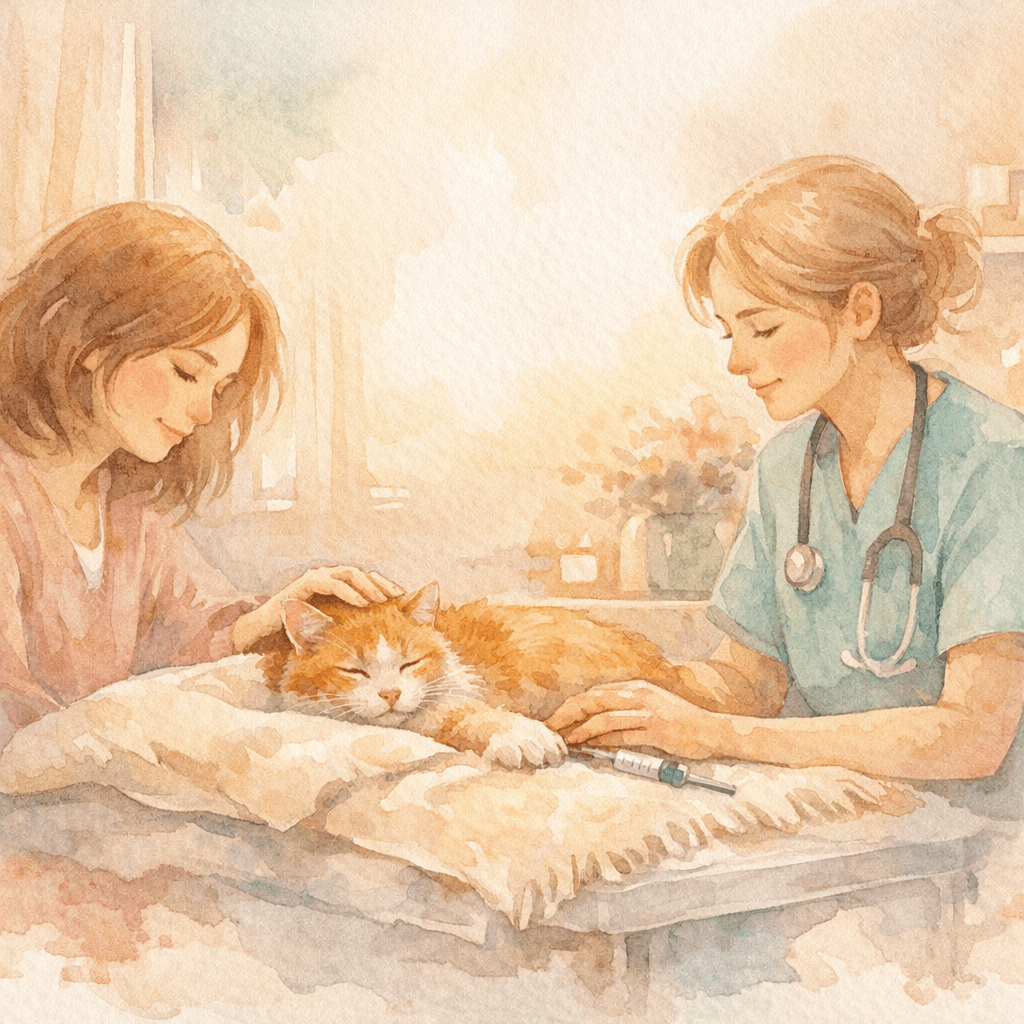
The actual euthanasia involves an intravenous injection, typically administered into a front or back leg vein. The barbiturate works within seconds, causing your pet to lose consciousness immediately before their heart stops beating.
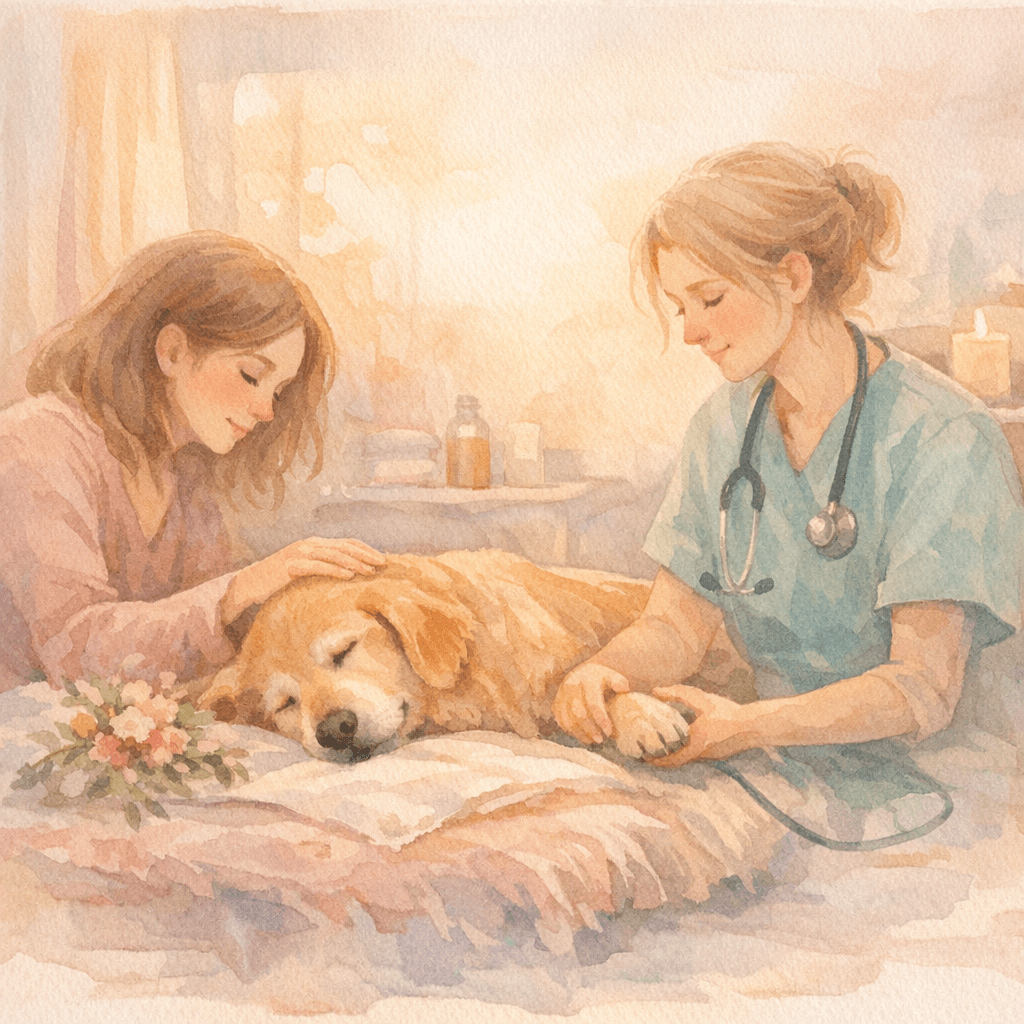
Most pets simply appear to fall asleep peacefully. There may be some muscle movement or deep breathing for a few moments after consciousness is lost, but these are normal physiological responses and don't indicate distress or awareness.
Immediate Aftercare
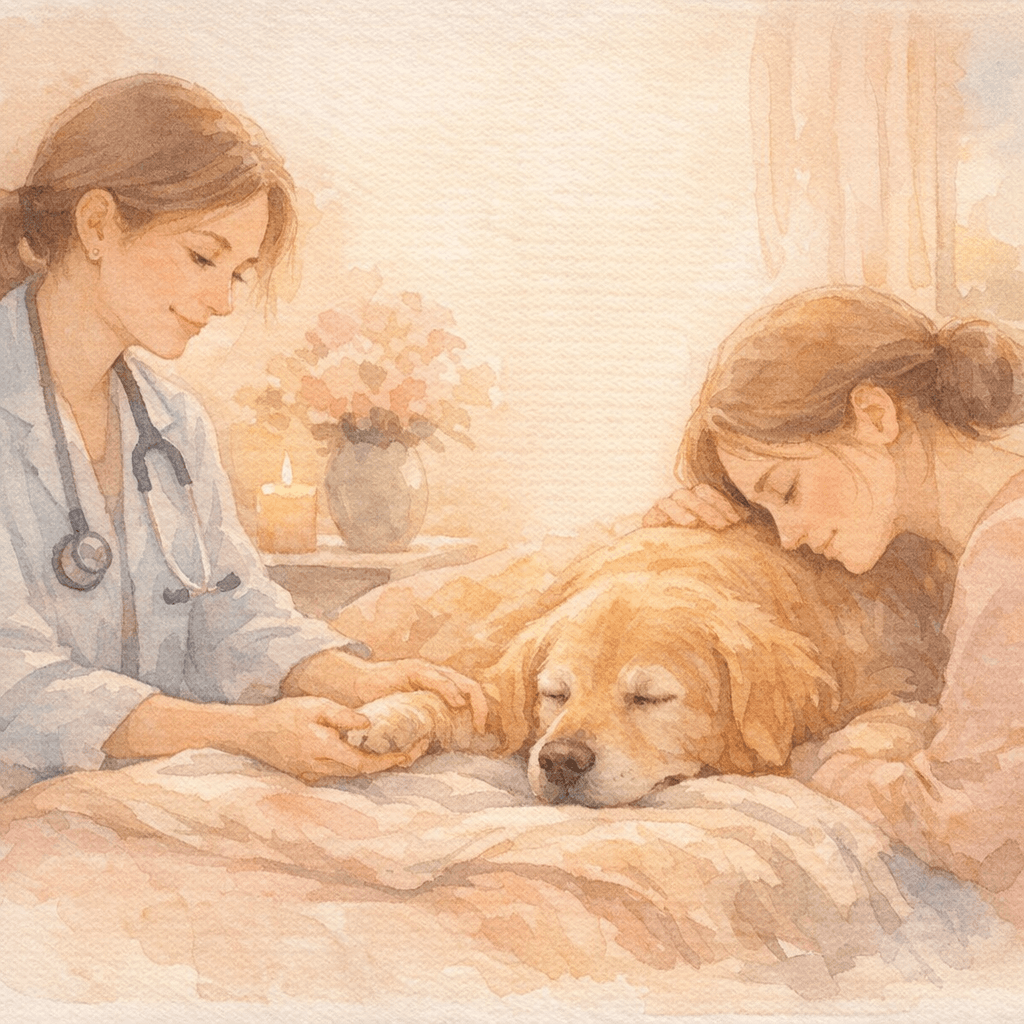
Following the procedure, you'll have time to say goodbye and spend a few moments with your pet. The veterinarian will confirm that your companion has passed peacefully and discuss the next steps regarding their remains.
If you've chosen cremation services, arrangements can typically be made immediately. Individual cremation ensures your pet is cremated alone, with their ashes returned to you in a respectful timeframe, usually within 3-7 days.
Choosing the Right Service for Your Location
Research and Recommendations
Start by researching services in your specific area, reading reviews from other pet owners, and asking your regular veterinarian for recommendations. Personal referrals from friends or family who've used local services can provide valuable insights into the quality of care and support provided.
Many areas have established providers with years of experience serving local communities. These services often understand regional preferences and can offer guidance tailored to local customs and available facilities.
Credentials and Qualifications
Ensure any service you consider employs qualified veterinary professionals registered with the Royal College of Veterinary Surgeons. This registration guarantees they meet professional standards and maintain ongoing education in veterinary medicine and animal welfare.
Ask about the veterinarian's experience with euthanasia procedures and their approach to supporting families during this difficult time. Experienced professionals will be comfortable discussing the process openly and honestly.
Service Coverage and Availability
Confirm that your chosen service covers your specific location and understands any access requirements for your property. Mobile services should be familiar with local geography and able to provide realistic timeframes for reaching your home.
Emergency availability varies between providers, so understand their hours of operation and what support is available outside normal business hours. Some services offer 24-hour emergency support, while others may refer you to local emergency veterinary clinics during nights and weekends.
Cost Considerations Across Different Regions
Standard Pricing Structure
At-home euthanasia services typically cost £290-£330 for the procedure alone. If you would also like individual cremation, request a personalised quote including collection and return of ashes.
These prices generally remain consistent across the UK, though some variation exists between urban and rural areas due to travel considerations and local operating costs. Optional memorial choices may also affect the final quote.
Factors Affecting Cost
Geographic location can influence pricing, with London and other major cities sometimes commanding higher fees due to increased operating costs. However, many national providers maintain consistent pricing to ensure equitable access to compassionate end-of-life care.
The size of your pet affects cremation costs. Cremation prices starting from £94 for small pets. For rabbits, cremation prices starting from £104; for cats, cremation prices starting from £124. For dogs, cremation prices starting from £154. Your personalised quote will show the full price.
Additional Services and Options
Some providers offer comprehensive packages that include euthanasia, cremation, and memorial options in a single price. These packages can provide better value and reduce the stress of arranging multiple services during an emotional time.
Memorial services such as clay paw prints, memorial certificates, or special urns may incur additional costs. Many families find these keepsakes provide comfort and help preserve precious memories of their companion.
Regional Specialities and Considerations
Urban Service Adaptations
City-based services often adapt to apartment living and limited parking situations. Mobile veterinarians serving urban areas typically carry portable equipment and understand the logistics of providing services in high-density housing areas.
Many urban providers offer flexible scheduling to accommodate working families and the practical challenges of city life. Weekend and evening appointments are commonly available to ensure convenient access to compassionate care.
Rural and Remote Area Coverage
Rural areas may have longer travel times for mobile services, but many providers extend their coverage to ensure comprehensive access. Some services specialise in rural coverage and understand the unique considerations of farm properties and countryside locations.
Transportation of remains for cremation may involve longer distances in rural areas, potentially affecting the timeframe for ash return. Reputable services will clearly communicate these timelines and any associated considerations.
Specific Regional Considerations
Scottish services may need to account for Highland geography and island communities, with some providers offering specialised coverage for remote areas. Welsh services similarly adapt to varied terrain and rural communities throughout the principality.
Northern England services often coordinate between urban centres like Manchester, Leeds, and Newcastle to provide comprehensive regional coverage. This coordination ensures consistent quality and availability across different metropolitan areas.
Making the Decision: Quality of Life Considerations
Working with Your Veterinarian
Your regular veterinarian plays a crucial role in helping assess your pet's quality of life and discussing end-of-life options. They understand your pet's medical history and can provide objective guidance about prognosis and comfort levels.
Quality of life assessments typically consider mobility, appetite, interaction with family, and overall happiness. Many veterinarians use structured scales to help families evaluate these factors objectively during emotional decision-making periods.
Signs It May Be Time
Persistent pain despite medication, loss of interest in favourite activities, difficulty with basic functions like eating or toileting, and withdrawal from family interaction may indicate declining quality of life. Each pet is individual, and the decision ultimately rests with you as their guardian.
The Blue Cross provides excellent resources on end-of-life decision-making, including quality of life scales and guidance on recognising when a pet may be ready for peaceful rest. These tools can help structure difficult conversations with family members and veterinary professionals.
Involving Family Members
End-of-life decisions affect entire families, including children who may be experiencing pet loss for the first time. Age-appropriate conversations about the process and what to expect can help family members prepare emotionally and say goodbye in their own way.
Some families choose to have all members present during the procedure, while others prefer a smaller group or individual goodbyes beforehand. There's no right or wrong approach – what matters is what feels appropriate for your family and your pet's temperament.
Support Services and Aftercare
Grief Support Resources
Many euthanasia services provide or can recommend grief counselling resources specifically designed for pet loss. The unique bond between humans and animals deserves recognition and support during the mourning process.
The PDSA offers excellent guidance on coping with pet loss, including advice for children and recognition that grief over a beloved companion is both normal and significant. Professional counselling services specialising in pet loss are available in many areas.
Memorial and Cremation Options
Pet cremation services ensure your companion is treated with dignity and respect after their passing. Individual cremation means your pet is cremated alone, and their ashes are returned to you in a suitable container.
Memorial options range from simple ash containers to elaborate urns, memorial gardens, or even jewellery containing a small amount of ash. Many families find these tangible reminders provide comfort and help maintain their pet's presence in positive ways.
Follow-Up Care
Reputable services often provide follow-up contact to ensure families are managing well and to answer any questions that arise after the procedure. This ongoing support recognises that grief doesn't end when the appointment finishes.
Some providers maintain relationships with grief counsellors, memorial services, or other pet-related professionals who can provide ongoing support as families navigate their loss and eventual consideration of future pet adoption.
Planning Ahead: End-of-Life Conversations
Advance Planning Benefits
Having conversations about end-of-life care before crisis situations arise allows families to make thoughtful decisions without time pressure. These discussions can happen when your pet is healthy, giving everyone time to process and prepare emotionally.
Advance planning might include researching local services, understanding your pet insurance coverage for end-of-life care, and discussing family preferences for the process and aftercare options.
Financial Planning
Pet insurance policies vary in their coverage of euthanasia and cremation services. Review your policy details or contact your provider to understand what costs may be covered and what you'll need to budget independently.
Some families establish dedicated savings for their pet's end-of-life care, ensuring financial concerns don't complicate already difficult decisions. Understanding typical costs in your area helps inform this planning process.
Documentation and Preferences
Consider documenting your preferences for your pet's end-of-life care, including location preferences, family member involvement, and aftercare wishes. This documentation can guide decisions during emotional times when clear thinking may be challenging.
Some families create memory books or photo collections during their pet's healthy years, ensuring precious memories are preserved regardless of when difficult decisions need to be made.
Frequently Asked Questions
How quickly can I arrange pet euthanasia services in my area?
Most reputable services can arrange appointments within 24-48 hours, with emergency providers available for urgent situations. During busy periods or in remote areas, scheduling may take slightly longer, but compassionate care providers understand the emotional urgency and work to accommodate families as quickly as possible.
Is at-home euthanasia more expensive than clinic-based services?
At-home euthanasia typically costs £290-£330 for the procedure, which may be slightly higher than some clinic fees due to travel and mobile equipment costs. However, many families find the additional comfort and reduced stress for their pet justifies the modest price difference.
What happens to my pet's body if I choose cremation?
With individual cremation, your pet is cremated alone and their ashes are returned to you in a respectful container, usually within 3-7 days. The cremation process ensures complete dignity and respect, with many facilities providing certificates of cremation for your records.
Can I stay with my pet during the euthanasia procedure?
Yes, most services encourage family presence during the procedure if you feel comfortable doing so. Being present allows you to comfort your pet and say goodbye in your own way, though some family members may prefer to say goodbye beforehand and not witness the actual procedure.
How do I know if it's the right time for euthanasia?
This decision involves assessing your pet's quality of life, including their ability to enjoy favourite activities, manage pain, and maintain dignity in basic functions. Your veterinarian can provide objective guidance using quality of life scales, but ultimately this deeply personal decision rests with you as your pet's guardian.
What support is available for children experiencing pet loss?
Many services provide or recommend age-appropriate resources for children, including books, counselling services, and guidance for parents on supporting children through pet loss. Organisations like the RSPCA offer excellent educational materials designed specifically for young people navigating these difficult experiences.