Key Takeaways
- End of life care for dogs focuses on comfort, dignity and quality of life — not prolonging life at all costs.
- Recognising the signs that your dog is declining helps you make timely, compassionate decisions alongside your vet.
- Palliative and hospice care can provide meaningful extra time, but euthanasia remains one of the kindest options when suffering cannot be managed.
- At-home euthanasia is available in many parts of the UK, subject to availability, and allows your dog to pass peacefully in familiar surroundings.
- Individual cremation means your dog's ashes are always returned to you — giving you a lasting, personal tribute.
- Grief after losing a dog is a valid and significant experience; support is available and there is no right way to mourn.
- Planning ahead, even a little, can ease the burden when the time comes and help you focus on being present with your dog.
Knowing that your dog is nearing the end of their life is one of the hardest things any pet owner faces. Whether the decline has been gradual or has come suddenly, the question of how to provide the best possible end of life care for your dog — and what happens next — can feel overwhelming. This guide is here to walk you through every stage of end of life care for dogs with honesty, compassion and practical advice, so you can focus on what matters most: your dog's comfort and your peace of mind.
Understanding End of Life Care for Dogs
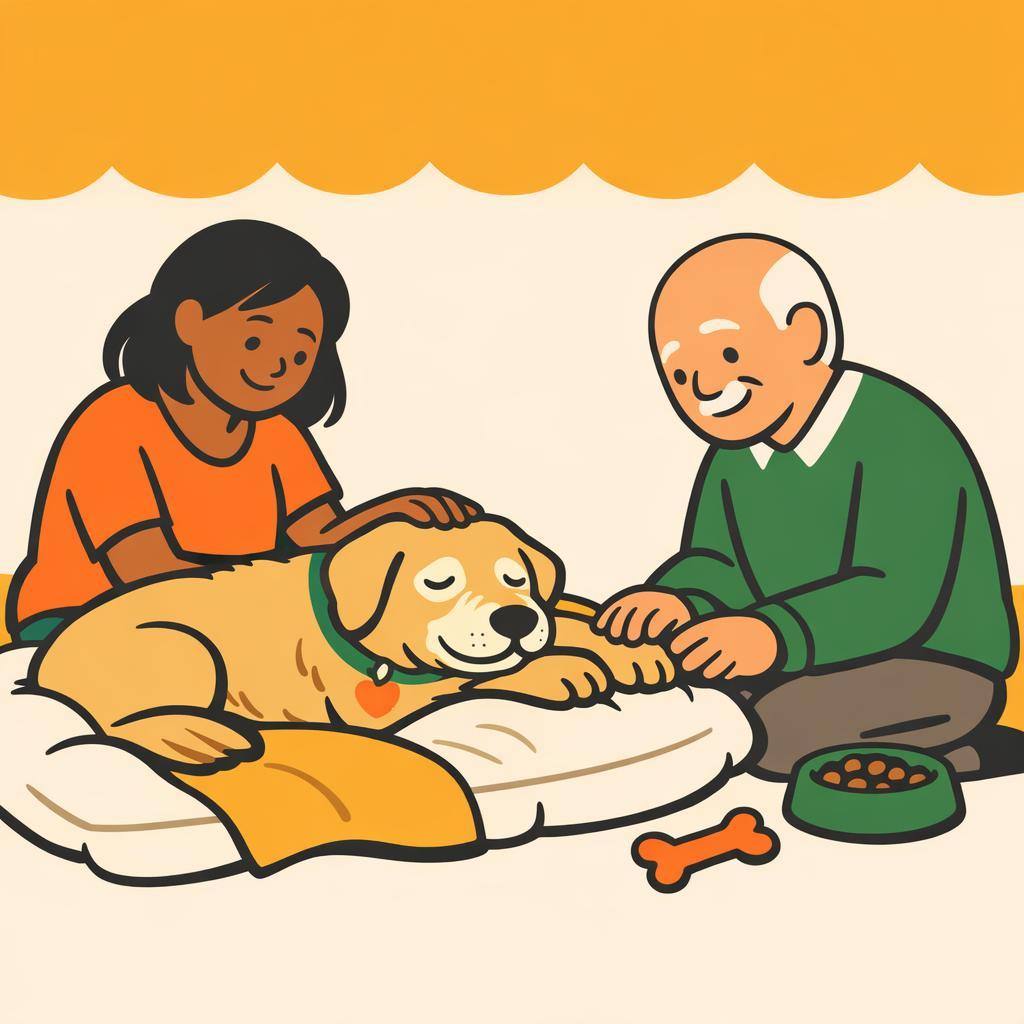
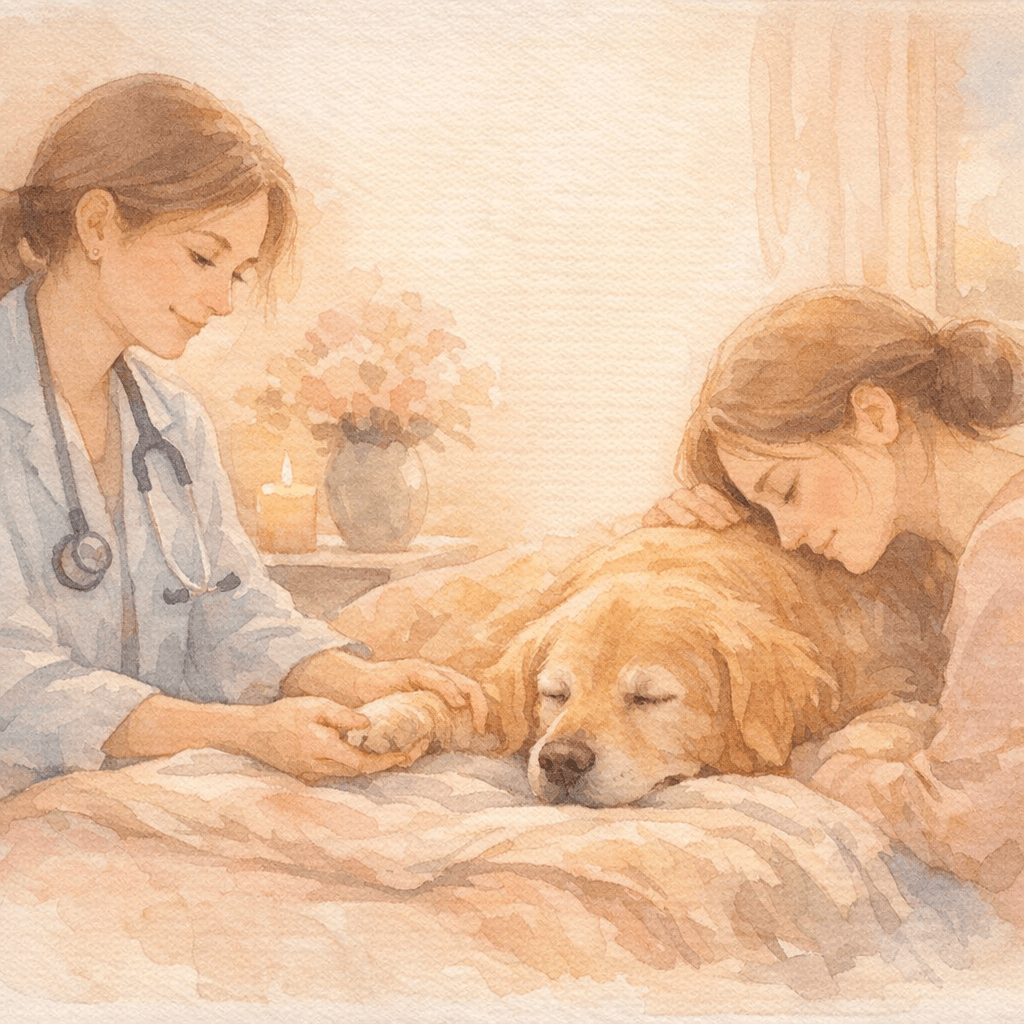
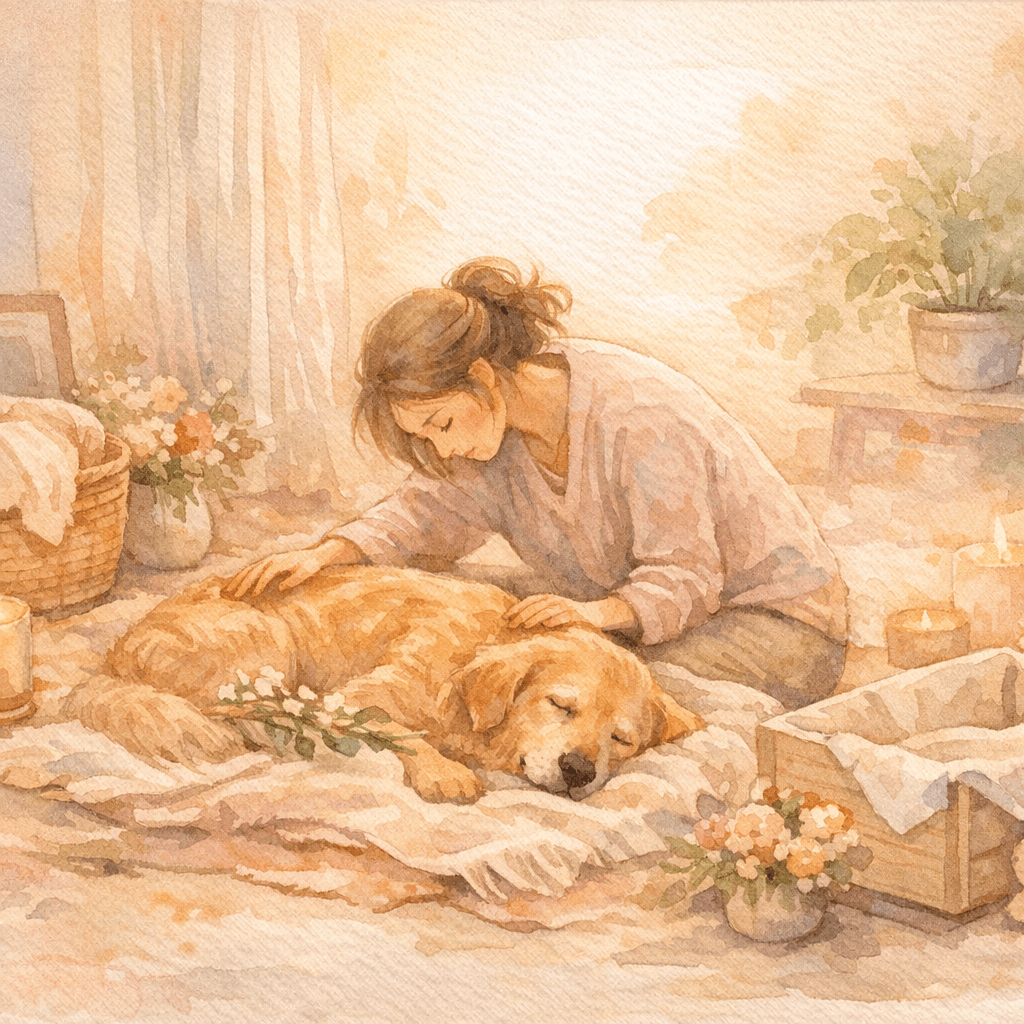
End of life care for dogs — sometimes called palliative care or hospice care — is about prioritising your dog's comfort, dignity and wellbeing as they approach the final chapter of their life. It is not about pursuing every possible treatment or extending life at any cost. Instead, it is about ensuring that the time your dog has left is as pain-free, calm and loving as possible.
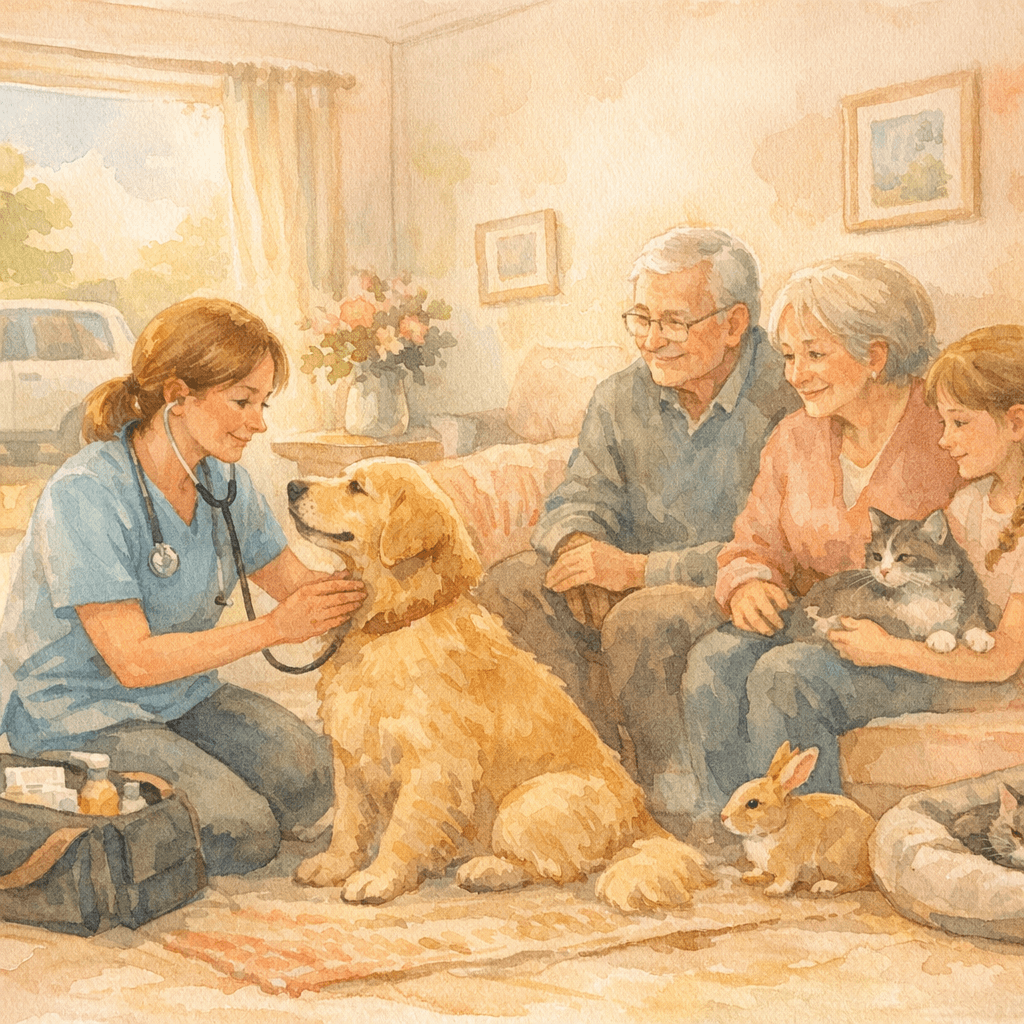
This kind of end of life care can apply to dogs with terminal illness, those in advanced old age, or those whose chronic conditions have reached a point where curative treatment is no longer realistic. It is a team effort between you, your vet and, in many cases, a veterinary nurse who can visit at home.
The Blue Cross offers excellent guidance on pet end of life care and grief support, which many families find helpful during this time.
Recognising the Signs That Your Dog Is Declining
One of the most important — and often most painful — parts of end of life care for dogs is recognising when your dog's quality of life is changing. Dogs are stoic animals and may not show pain in obvious ways, which makes careful observation all the more important.
Common signs that a dog may be approaching the end of their life include:
- Significant loss of appetite or complete refusal to eat or drink
- Extreme lethargy or an inability to rise, stand or walk comfortably
- Laboured or irregular breathing
- Loss of bladder or bowel control
- Withdrawal from family members or favourite activities
- Persistent vomiting or signs of confusion and disorientation
- Visible weight loss and muscle wasting
Not all of these signs necessarily indicate that death is imminent, but they are important signals to discuss with your vet promptly. Our guide on signs your dog is dying goes into greater detail on what to watch for and when to seek advice.
Working With Your Vet on a Palliative Care Plan
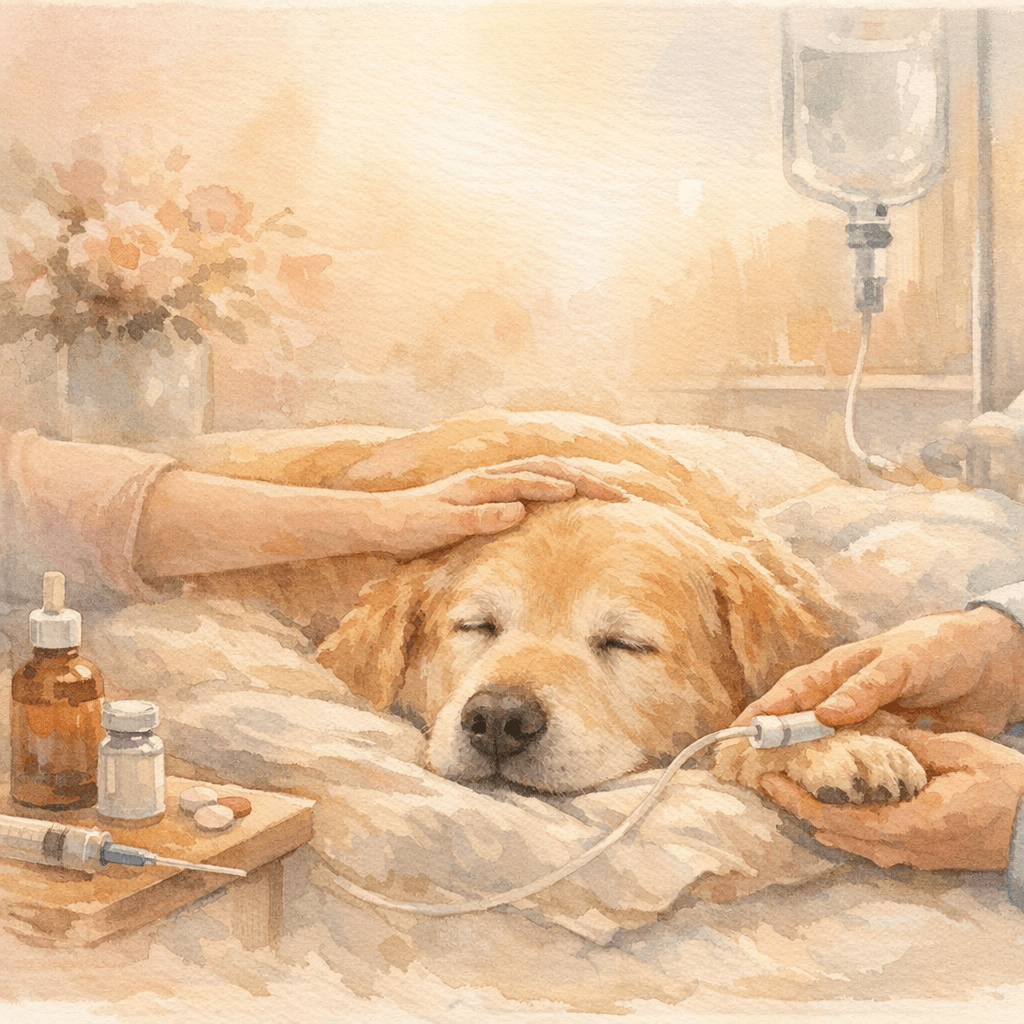
If your dog has been diagnosed with a terminal or progressive condition, ask your vet about palliative end of life care options. A good palliative care plan is tailored to your individual dog and may include pain relief medication, anti-nausea drugs, appetite stimulants, physiotherapy or gentle hydrotherapy, and dietary changes to support comfort.
Your vet may also refer you to a veterinary specialist with experience in pain management or oncology, depending on your dog's diagnosis. The goal is always to manage symptoms so your dog can still enjoy the moments that bring them happiness — a short walk, a favourite spot on the sofa, time in the garden.
The British Veterinary Association provides resources for understanding veterinary end of life discussions and what you can expect from your vet team during this period.
Quality of Life Assessments
Many vets use a quality of life scale — such as the Villalobos HHHHHMM scale — to help owners assess how their dog is coping on any given day. The scale considers factors like hurt, hunger, hydration, hygiene, happiness, mobility and more.
Keeping a simple daily diary — noting your dog's appetite, pain levels, engagement and enjoyment — can be a genuinely useful tool when providing end of life care for your dog. It helps you track trends over time and gives your vet a clearer picture when you visit. It can also help you feel more confident in decisions you eventually need to make.
Managing Pain and Comfort at Home
Good end of life care for dogs at home is about small, consistent acts of kindness. Here are some practical ways to keep your dog as comfortable as possible:
Bedding and resting spaces: An orthopaedic memory foam bed placed on the ground (not elevated) can significantly reduce pressure on aching joints. Ensure your dog can reach it easily without having to climb or jump.
Temperature and warmth: Older and unwell dogs are often more sensitive to cold. Keep their resting area warm and draught-free, and consider a lightweight blanket if they enjoy it.
Gentle grooming: Regular gentle grooming maintains hygiene and also gives you precious one-to-one time. If your dog is incontinent, keeping them clean and dry is essential to prevent skin irritation.
Hydration: Encourage water intake with a fresh bowl changed frequently. Some dogs prefer a pet fountain. If your dog is struggling to drink, speak to your vet about subcutaneous fluids or other support.
Short, calm interactions: Your dog may not be able to manage long walks any more, but that does not mean they do not want your company. Quiet time together — sitting beside them, speaking softly — can be deeply comforting for both of you during this stage of end of life care.
Thinking About Euthanasia: When Is the Right Time?
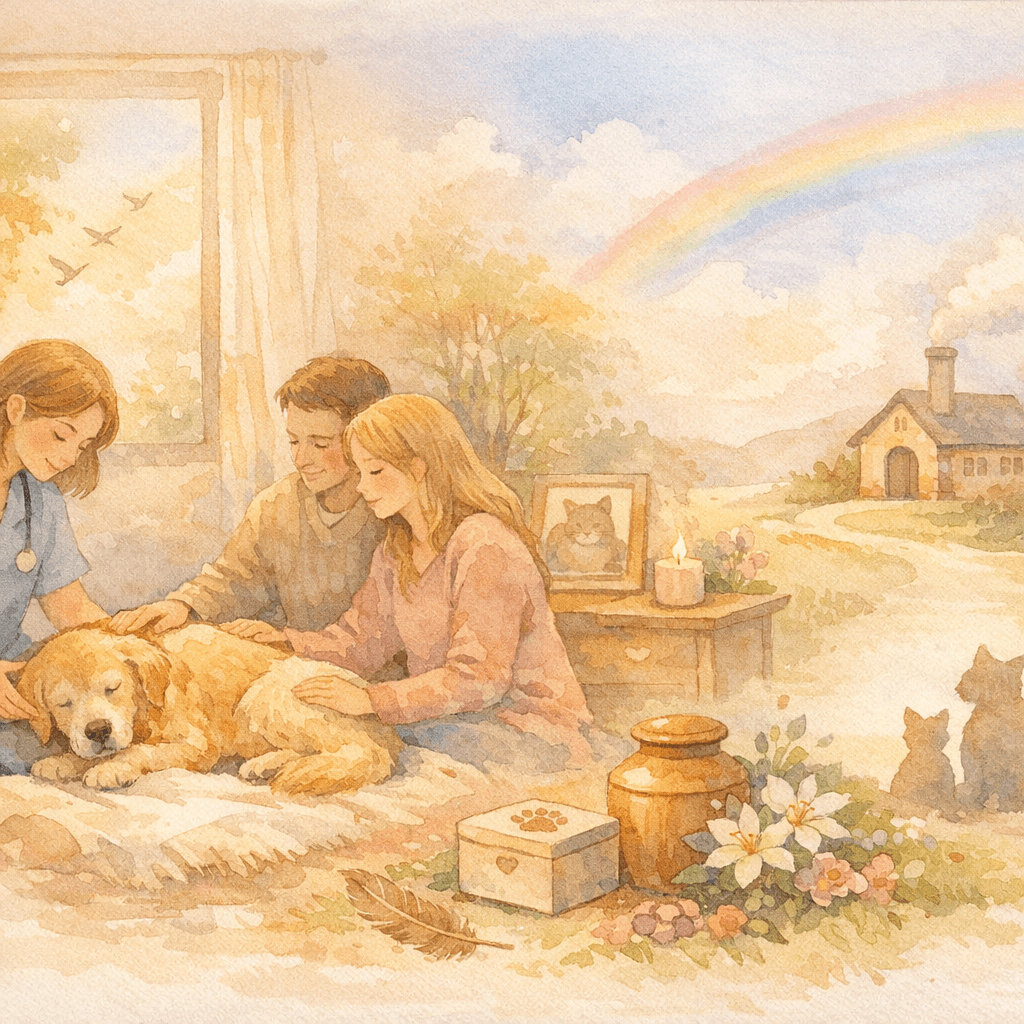
This is the question that weighs most heavily on every dog owner's heart. Euthanasia — often referred to as putting a dog to sleep — is a legal, peaceful and compassionate option when a dog's suffering can no longer be adequately managed as part of their end of life care.
There is no single "right" moment, and many owners find themselves asking whether they are acting too soon or leaving it too late. Most vets will tell you that it is better to make the decision a day too early than a day too late. The goal is always to prevent unnecessary suffering.
Signals that it may be time to consider euthanasia as part of your dog's end of life care include:
- Your dog is experiencing more bad days than good
- Pain can no longer be controlled with medication
- Your dog has stopped eating and drinking entirely
- They no longer respond to or seem to recognise the people they love
- Breathing is significantly laboured or distressing
If you are unsure, an honest conversation with your vet is always the right next step. They are there to help you, not to judge you.
At-Home Euthanasia
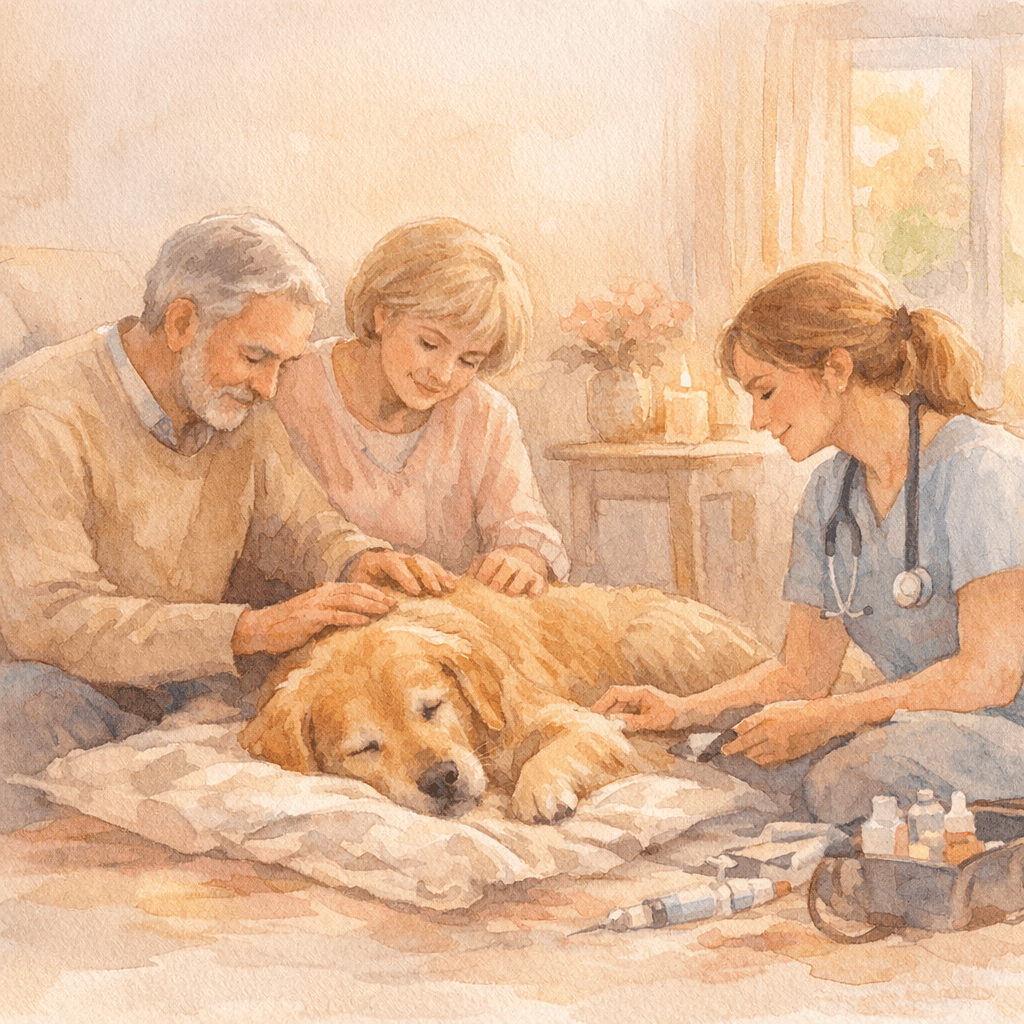
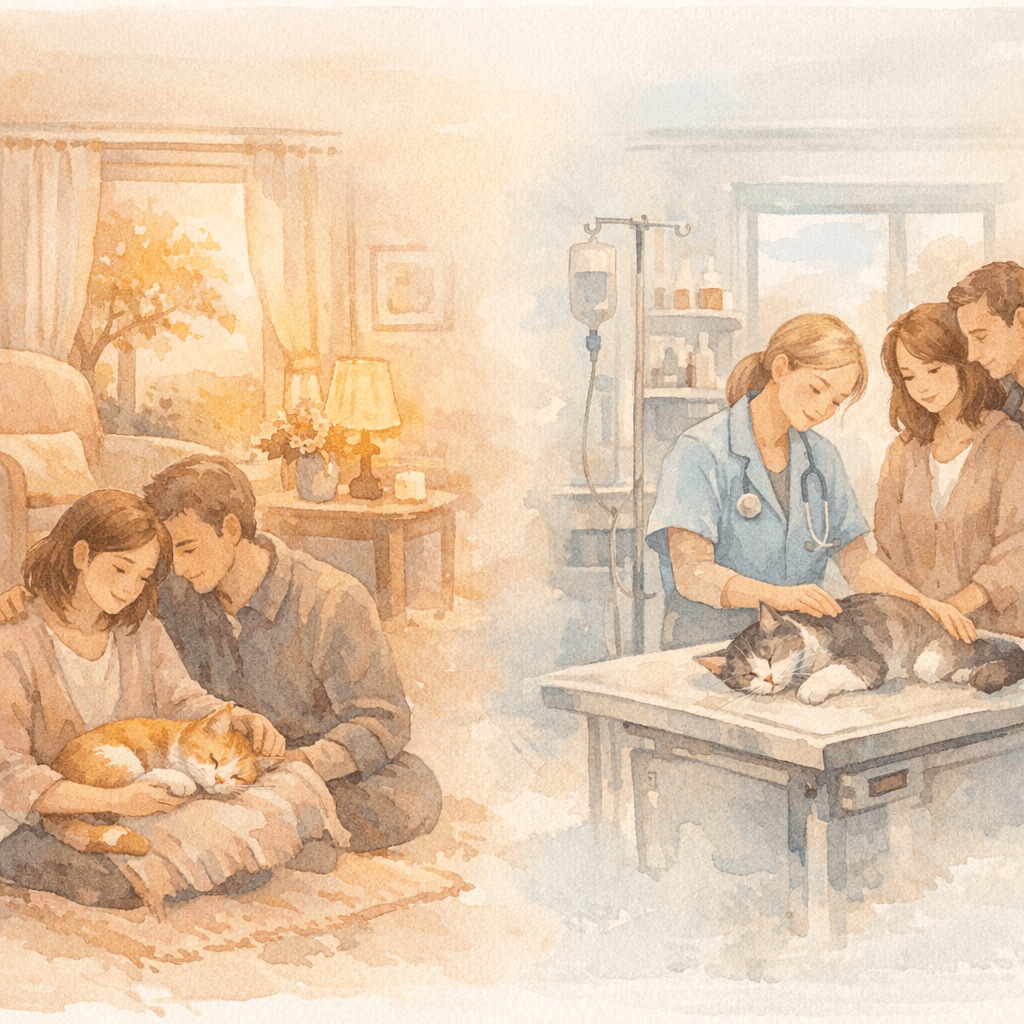
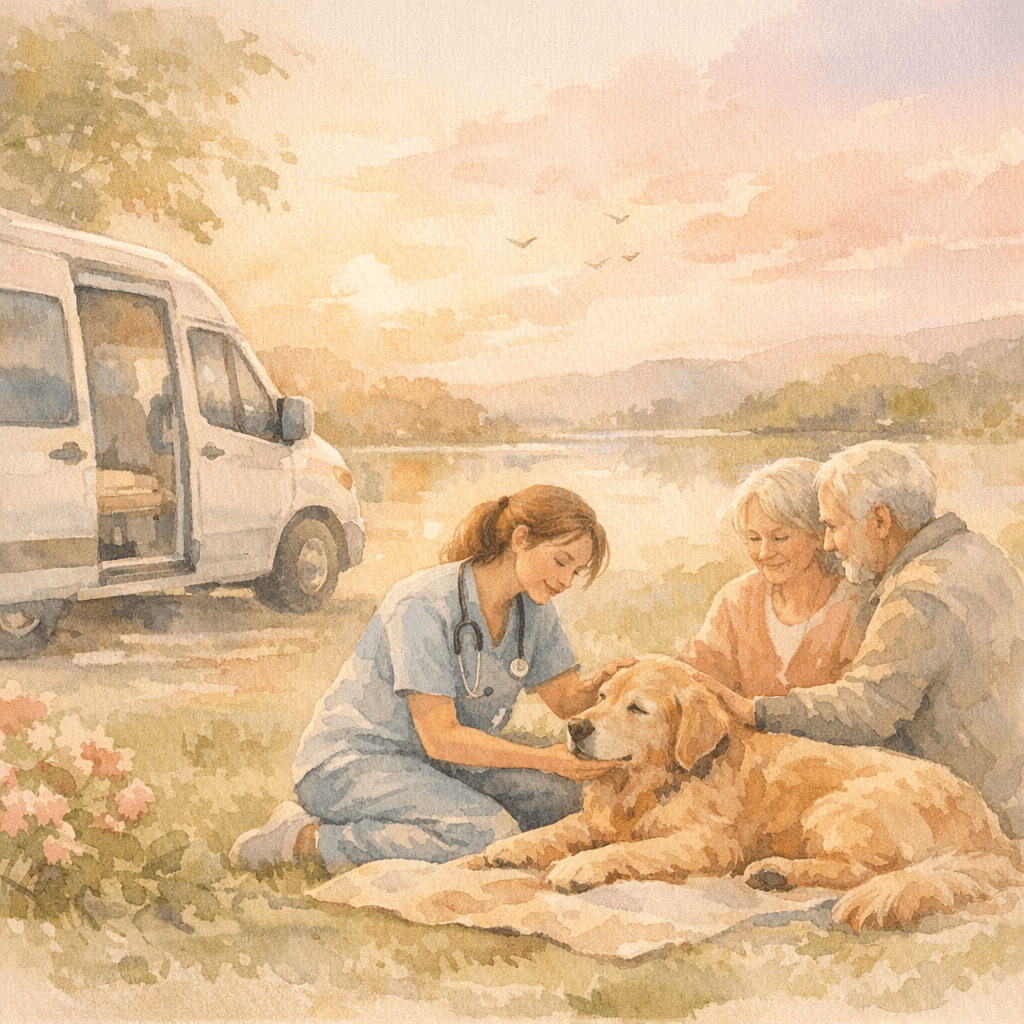
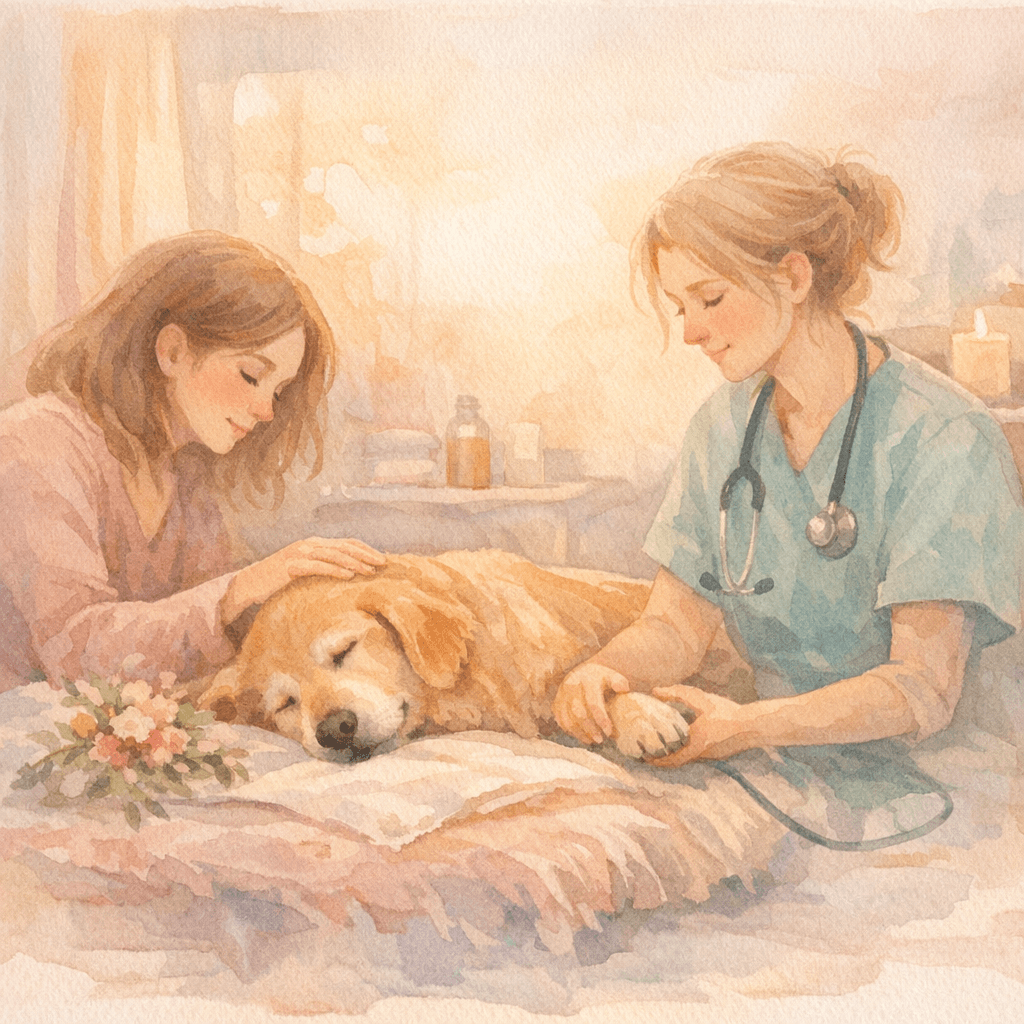
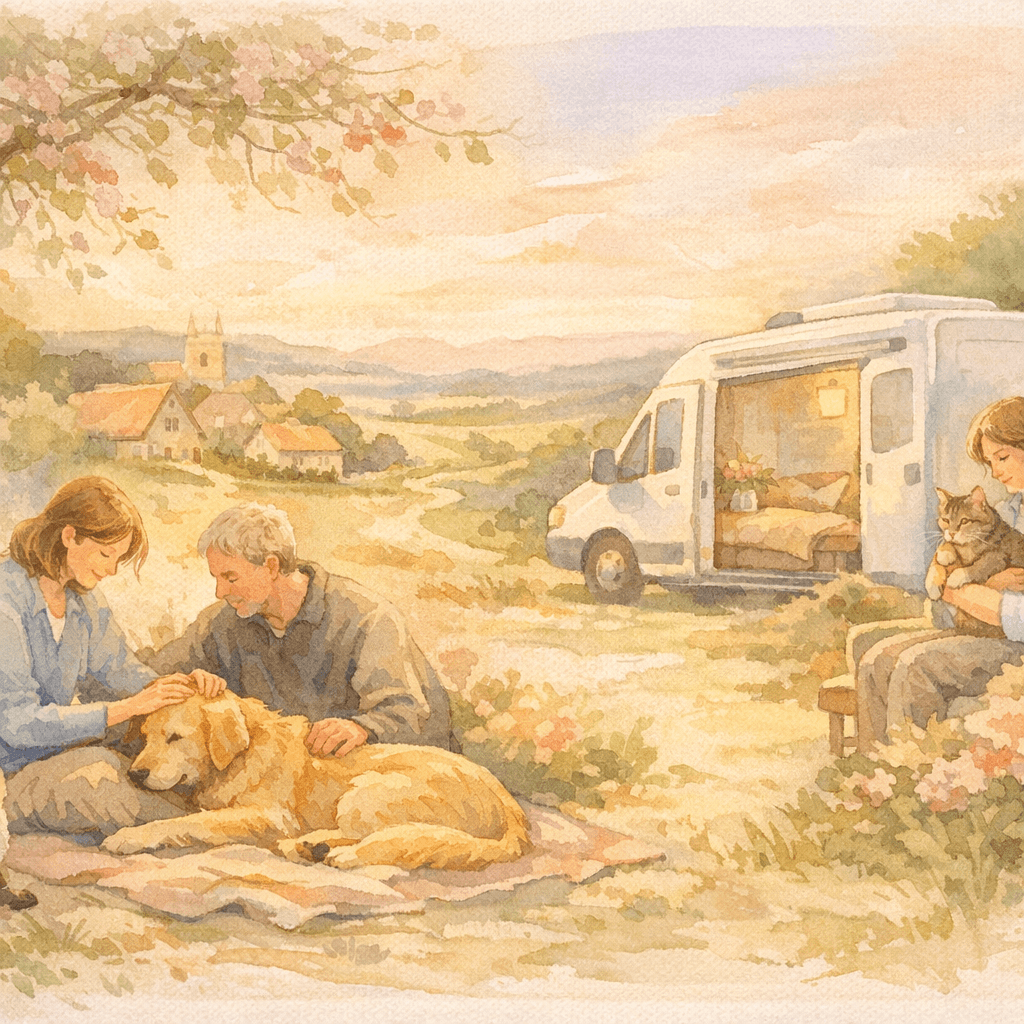
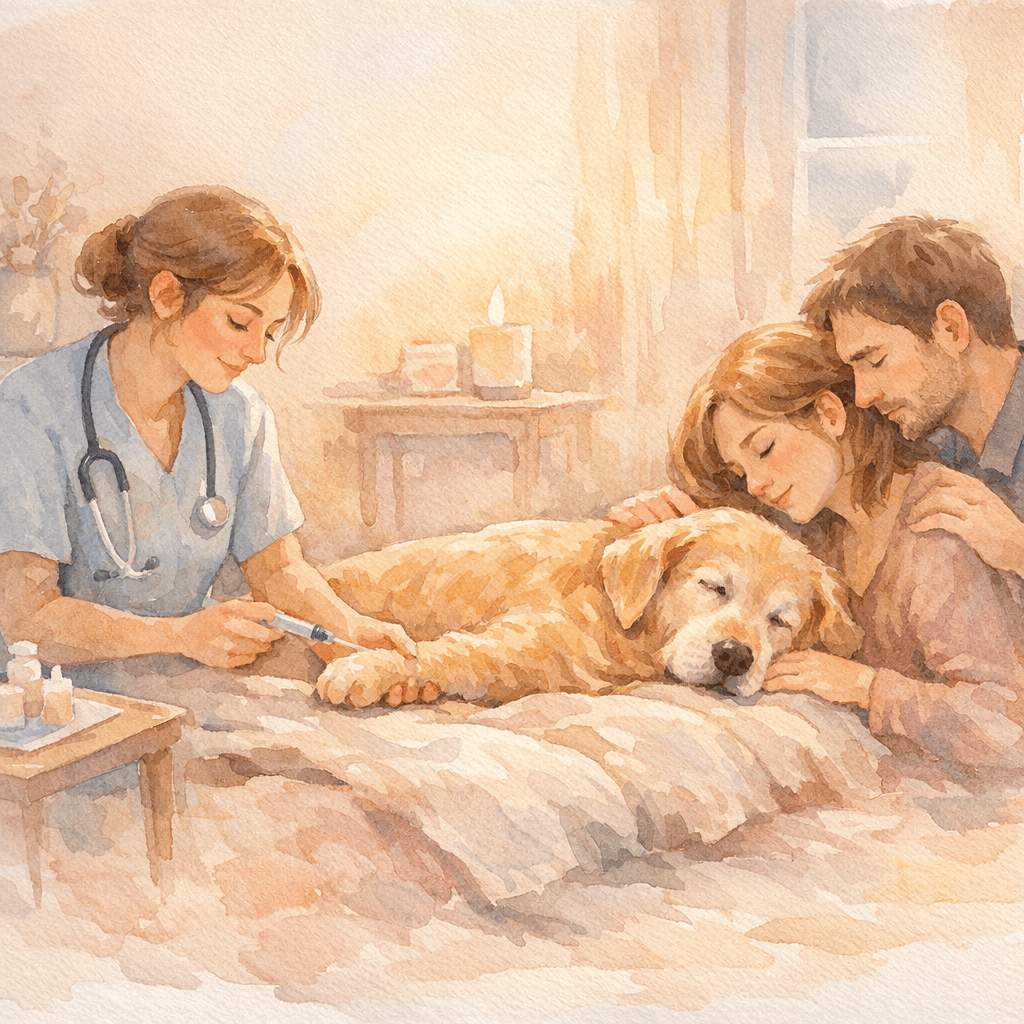
Many owners wish for their dog's final moments to be in the comfort of home rather than in a clinical setting. At-home euthanasia services are available in many parts of the UK, and for many dogs and families, this is the gentler option.
Our at-home pet euthanasia service is available subject to availability in your area. If you would like to explore whether this is possible for you and your dog, please get in touch. You can also read our detailed at-home dog euthanasia UK guide for a full explanation of the process, what to expect and how to prepare.
For location-specific information, we have guides for many areas across the UK — including pet euthanasia in London, pet euthanasia in Manchester, pet euthanasia in Birmingham and many other towns and cities.
Choosing a Cremation Service for Your Dog
Once your dog has passed, one of the most important practical decisions is what to do with their remains. Cremation is the most widely chosen option for dog owners across the UK, and for good reason — it is dignified, flexible and gives you something tangible to hold on to.
At Pet Cremation UK, we provide individual dog cremation only. This means your dog is cremated alone, and their ashes are always returned to you. We do not offer communal cremation, so you can be completely confident that the ashes you receive are your dog's.
Our dog cremation services are available across the UK, with collection coming directly to you — we come to your home, so you do not need to travel at a difficult time.
Individual cremation prices for dogs start from:
- Small dogs (up to 10kg): from £154
- Medium dogs (10–19kg): from £164
- Large dogs (20–39kg): from £204
- XL dogs (40kg+): from £314
Collection and ashes return are listed as separate items in your personalised quote. To understand the full cost for your dog, we recommend getting a personalised quote, which takes just a few minutes online.
You can also read our comprehensive cost of dog cremation UK guide for a detailed breakdown of everything involved.
What Happens to Your Dog's Ashes?
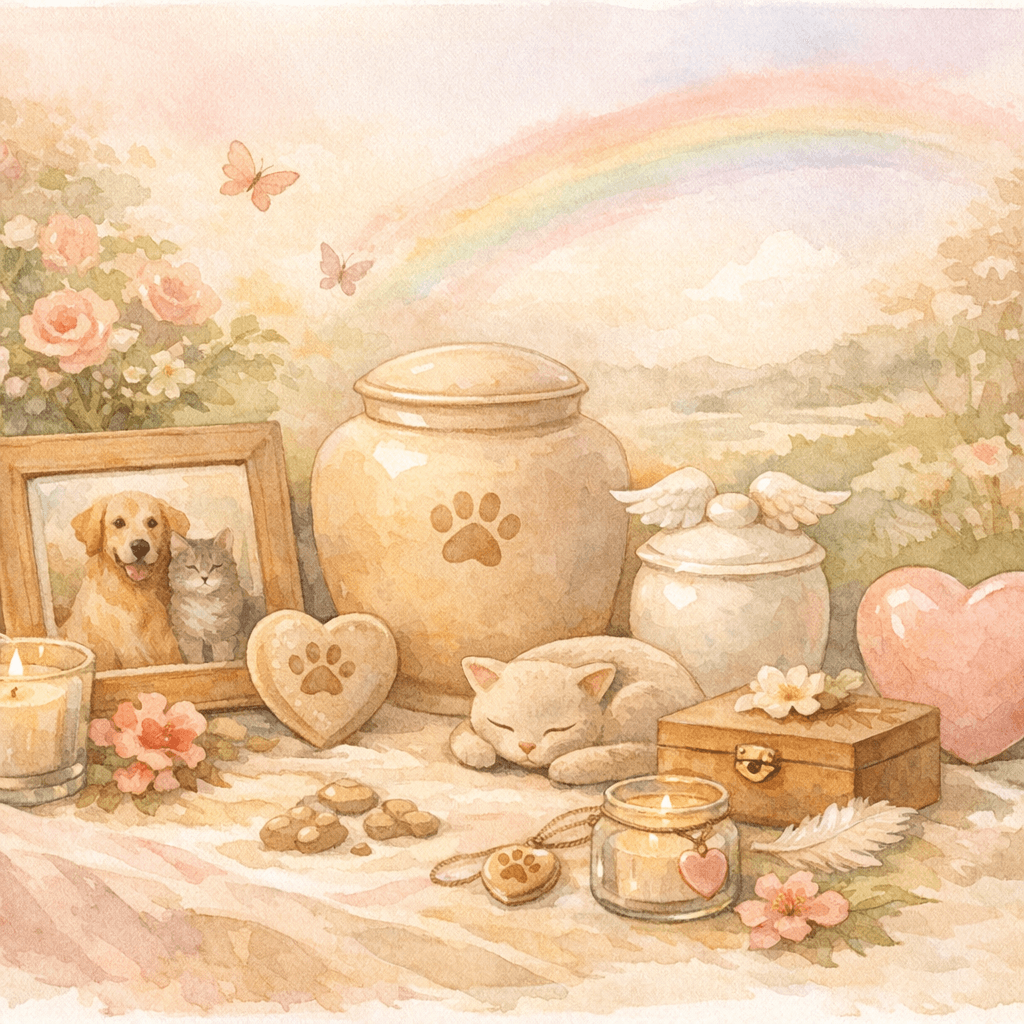
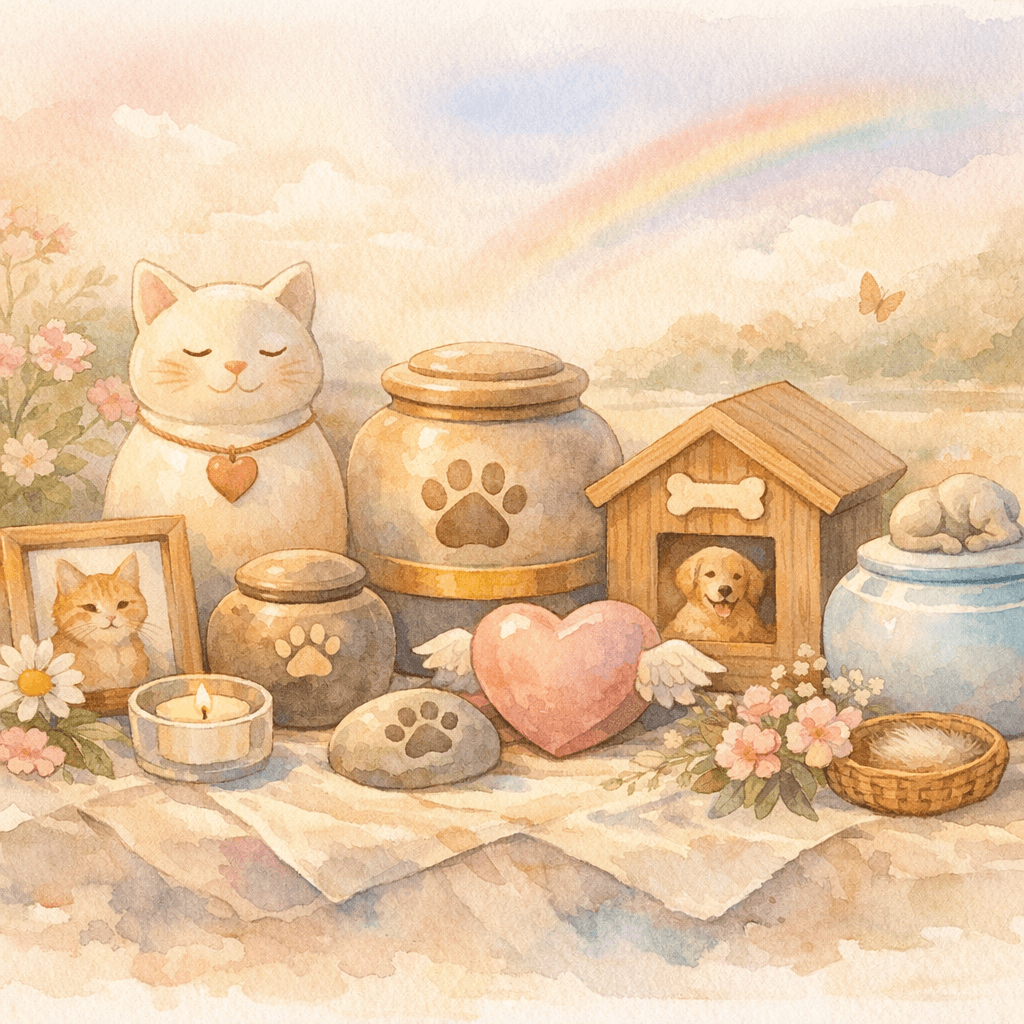
Once returned to you, your dog's ashes can be kept, scattered or incorporated into a memorial in many meaningful ways. Some owners choose a beautiful urn to keep at home; others scatter ashes in a favourite place. You might also consider a pet ashes pendant or memorial jewellery, or explore our guide on what to do with pet ashes for creative and heartfelt ideas.
If you would like advice on urns specifically, our dog ashes urn guide covers everything from materials and sizes to personalisation options.
Practical Steps to Take When Your Dog Dies at Home
If your dog passes at home — naturally or following euthanasia — there are a few practical steps to take, even when grief makes everything feel impossible. Having thought about end of life care for your dog in advance means you are less likely to feel lost in those first difficult hours.
Keep your dog in a cool, comfortable space while you make arrangements. You do not need to rush. When you feel ready, you can contact us to arrange collection. Our support team is available seven days a week from 7am to midnight, and you can get an online quote at any time, 24 hours a day.
Our guide on what to do when your dog dies at home walks you through each step gently and practically, so you know exactly what to expect.
Caring for Yourself: Grief and Pet Loss
The grief of losing a dog is real, profound and often misunderstood by those who have not experienced it. Dogs are family members — woven into your daily routines, your sense of home and your emotional life. It is entirely normal to feel devastated, whatever stage of end of life care you reached together.
Give yourself permission to grieve without apology. There is no timeline, no correct way to feel and no milestone you must reach by a particular point. Some people find comfort in creating a small memorial immediately; others need time before they feel ready.
The PDSA's pet bereavement guidance is a valuable resource for anyone struggling with the loss of a companion animal. Many areas of the UK also have pet bereavement helplines and counsellors who specialise in this type of loss.
If you have other pets at home, be aware that they too may grieve. Changes in behaviour, appetite and energy levels are common in surviving animals after a companion dies. Your vet can offer advice on supporting them through this period.
Planning Ahead: Why It Helps
It might feel strange to think about end of life arrangements while your dog is still alive or in the early stages of illness. But many owners find that having a loose plan — knowing which cremation service they would use, understanding the costs involved, and having a conversation with their vet about euthanasia options as part of end of life care for their dog — brings a quiet sense of control during an otherwise frightening time.
You do not need to make firm commitments now. Simply reading guides like this one, knowing that our dog cremation service is available whenever you need it, and having your vet's out-of-hours number to hand can make an enormous difference when the moment comes.
We also cover dog euthanasia and cremation together in a single guide, which many families find helpful when thinking through the full journey of end of life care for dogs.
Frequently Asked Questions
How do I know when it's time to put my dog to sleep?
There is no single definitive moment, but most vets recommend considering euthanasia when your dog is experiencing more suffering than comfort and that suffering cannot be adequately managed with treatment. A quality of life assessment, completed with your vet's guidance as part of end of life care for your dog, can be a helpful and objective tool. If your dog has stopped eating, is in constant pain or no longer seems to be enjoying life, it is worth having an honest conversation with your vet as soon as possible.
What is the difference between palliative care and hospice care for dogs?
Palliative care focuses on managing pain and symptoms in a dog who may still receive some treatments — the aim is to improve quality of life alongside any ongoing care. Hospice care typically refers to the final phase of end of life care for dogs, when curative or life-extending treatment has been stopped and the focus is entirely on comfort until natural death or euthanasia. Both approaches prioritise your dog's wellbeing and dignity above all else.
Can my dog be cremated individually so I get their ashes back?
Yes. At Pet Cremation UK, we only offer individual cremation, which means your dog is cremated alone and their ashes are always returned to you. You will never receive mixed ashes. Our dog cremation service is available across the UK, and we come directly to your home to collect your dog.
How much does dog cremation cost in the UK?
Individual cremation prices for dogs at Pet Cremation UK start from £154 for small dogs (up to 10kg), rising to £314 for XL dogs (40kg+). Collection and ashes return are charged separately and are shown clearly in your personalised quote. We recommend getting a quote online for an accurate total based on your dog's size and location.
Is at-home euthanasia available for dogs in the UK?
At-home euthanasia for dogs is available in many parts of the UK, including through our at-home pet euthanasia service, subject to availability in your area. It allows your dog to pass peacefully in familiar surroundings, which many owners and vets feel is the gentler option as part of end of life care for dogs. Please get in touch to find out whether the service is available where you live.
What should I do with my dog's ashes after cremation?
There are many meaningful options, from keeping ashes in a beautiful urn at home to scattering them in a place your dog loved. Some owners choose memorial jewellery containing a small portion of ashes, while others plant a memorial tree. Our guide on what to do with pet ashes explores ten thoughtful ideas to help you decide what feels right for you.